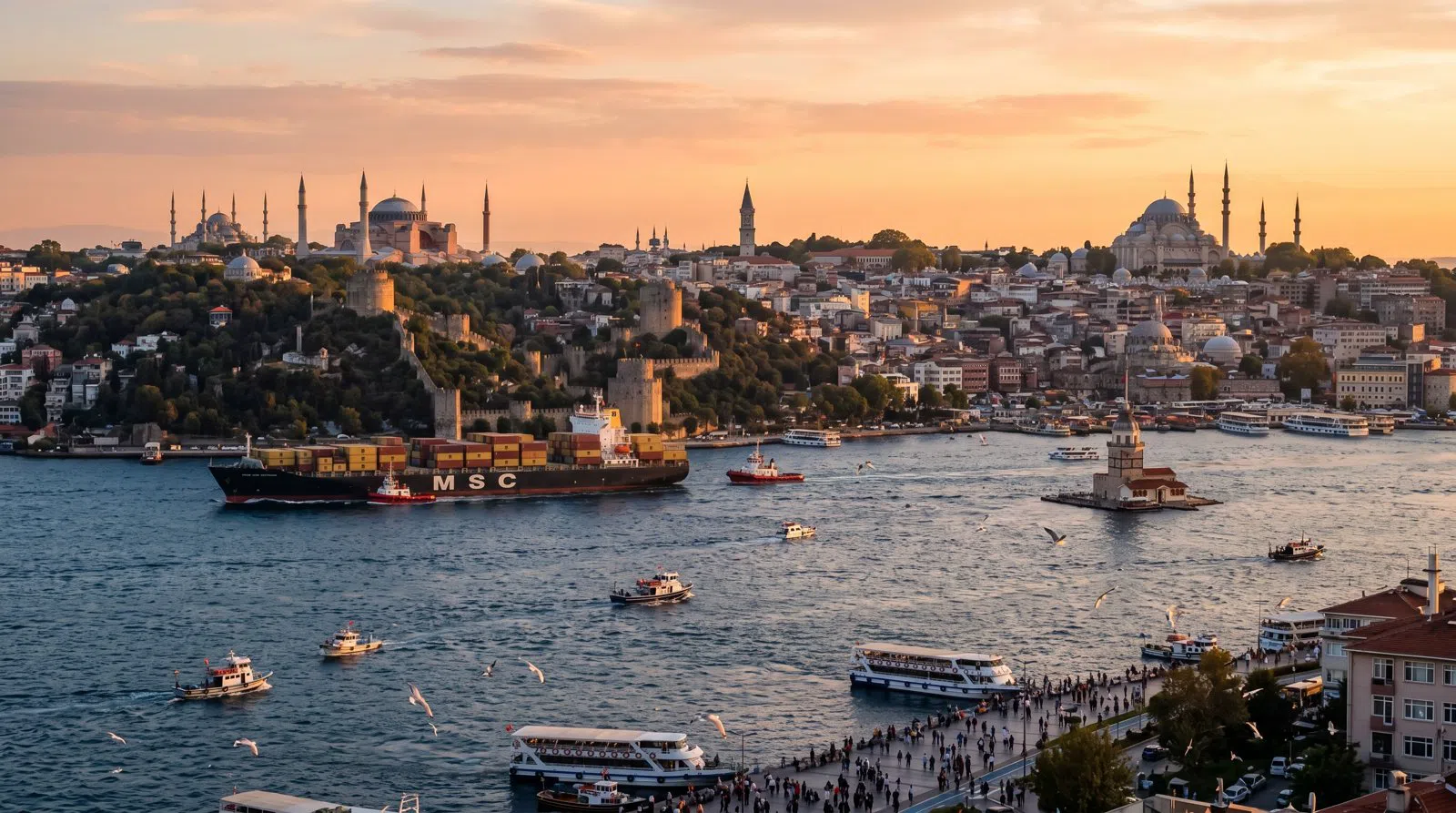
Istanbul
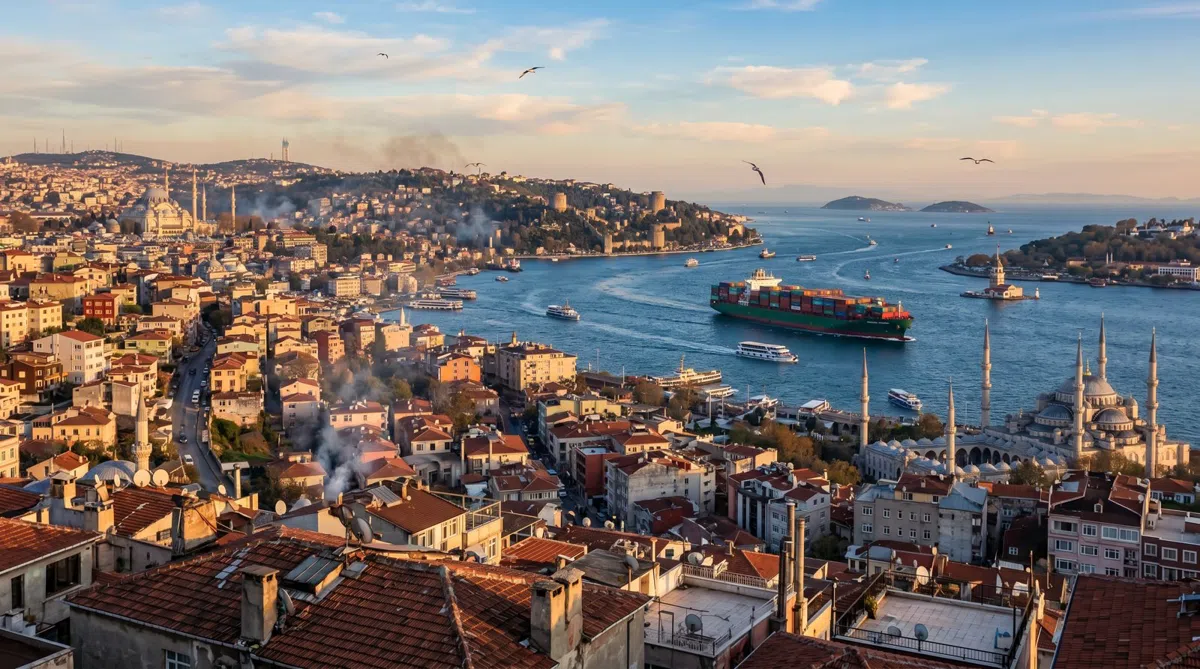
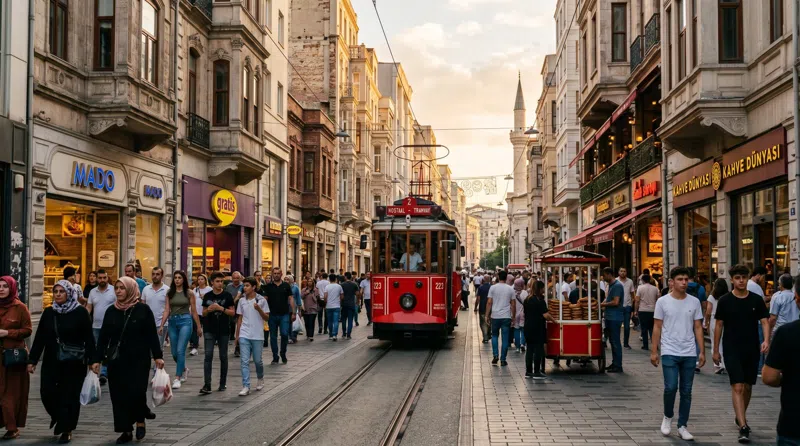
Istanbul is defined by its topography and water.
Guests & rooms
The Istanbul guide
An insider’s read on Istanbul
IIstanbul is defined by its topography and water.
This is a metropolis built on layers of fallen empires. As Byzantium, Constantinople, and finally Istanbul, it served as the capital of the Roman, Byzantine, and Ottoman worlds. The history here is not neatly cordoned off; it is lived in. You will find Roman cisterns beneath carpet shops and Byzantine walls bordering modern tramlines. The local character is marked by a distinct blend of melancholic pride—known locally as hüzün—and a relentless, forward-looking creative energy that thrives in the face of constant change.
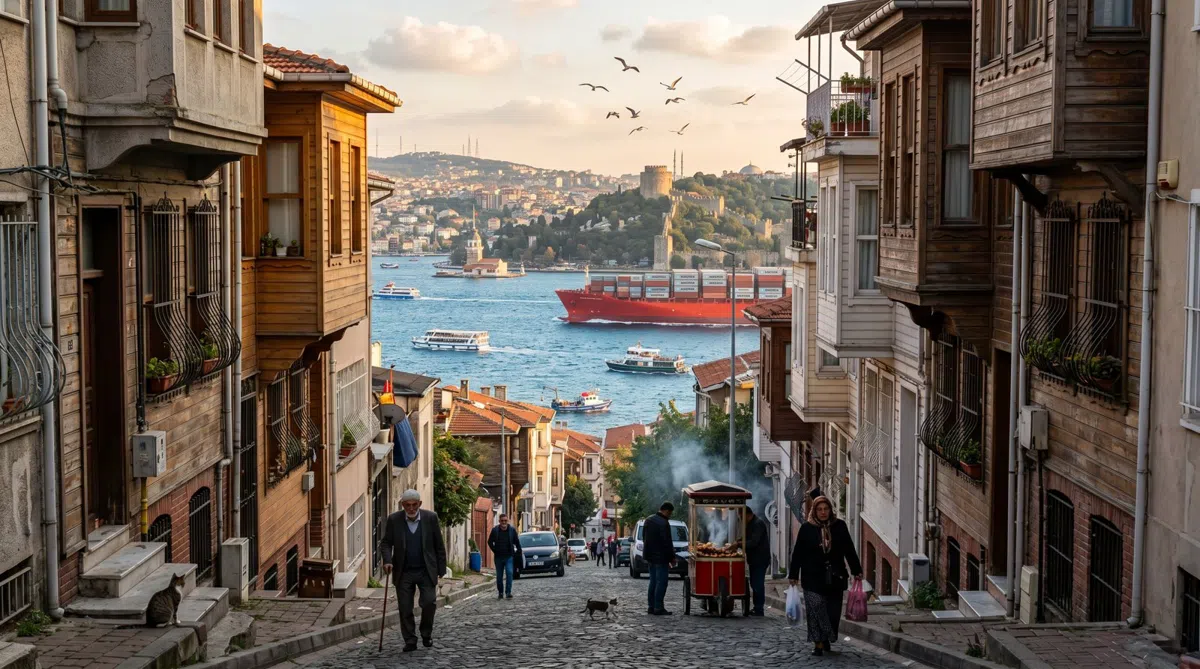
PLATE IIstanbul, Republic of Türkiye
Guides & ideas
The Istanbul reading list
Hand-written guides from our editors — itineraries, the best of after dark, where to eat, and what’s genuinely worth your time.
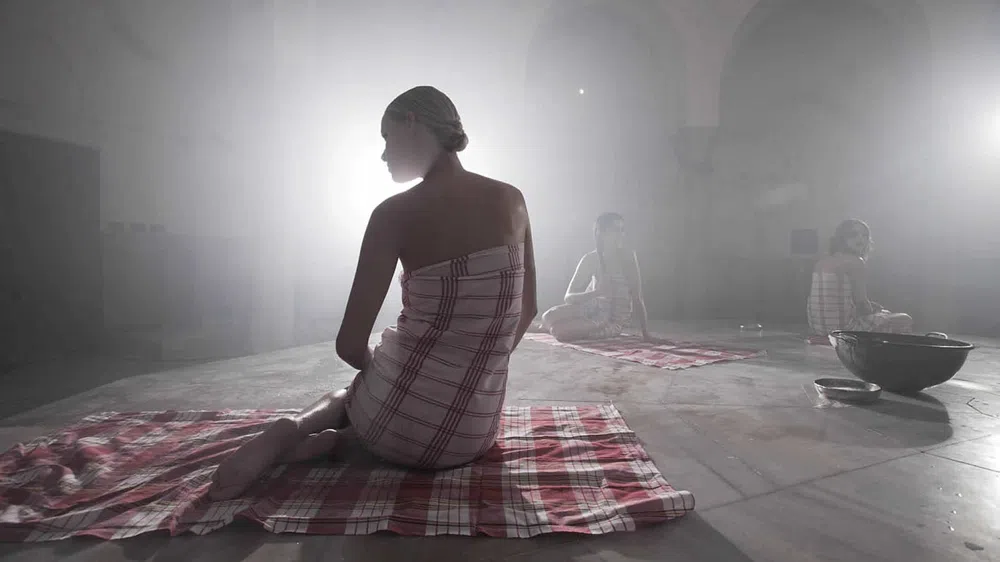
Five Centuries of Steam and Small Talk in Istanbul's Hamams
Which of Istanbul's working bathhouses are worth booking, and what happens to you once you are on the hot stone. In some the ritual is still a social event rather than a spa treatment.

The Fishermen Who Still Land Istanbul's Catch at Dawn
Before the tour buses start moving, Kumkapı's boats are already unloading the day's fish onto wet cobblestones, and this is the honest way to follow that catch across the city.
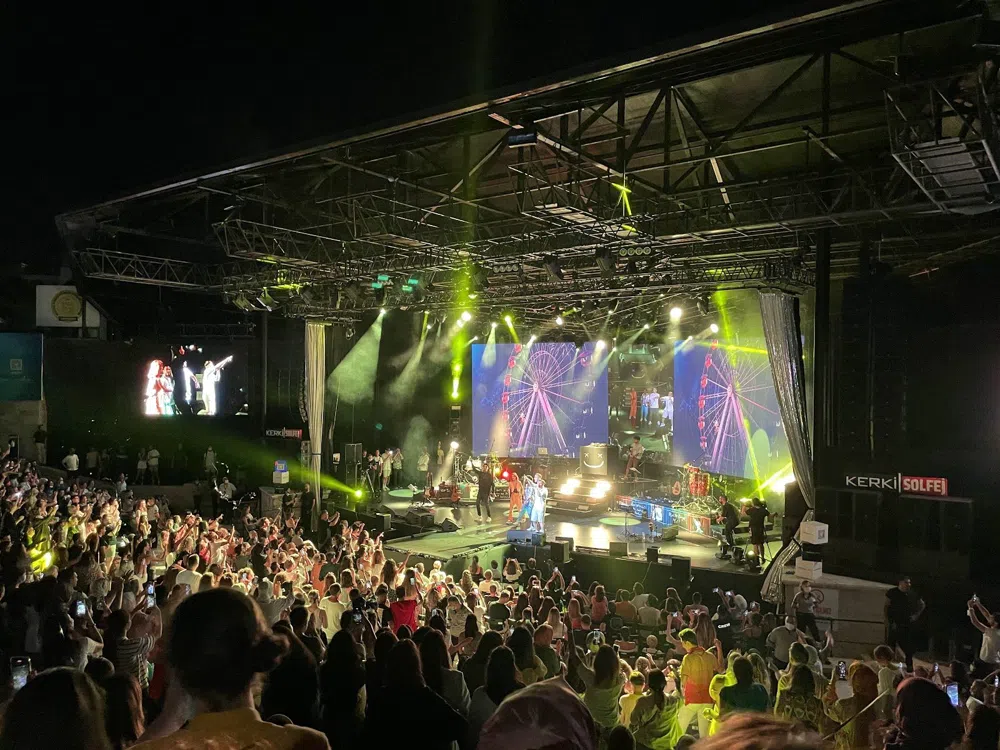
Istanbul's Stacked Concert Week, August 17–21, 2026
A culture editor's rundown of five real nights of live music across Istanbul this week, from Harbiye's open-air stage to Beyoğlu's basement clubs, with what to know before you commit to any of them.
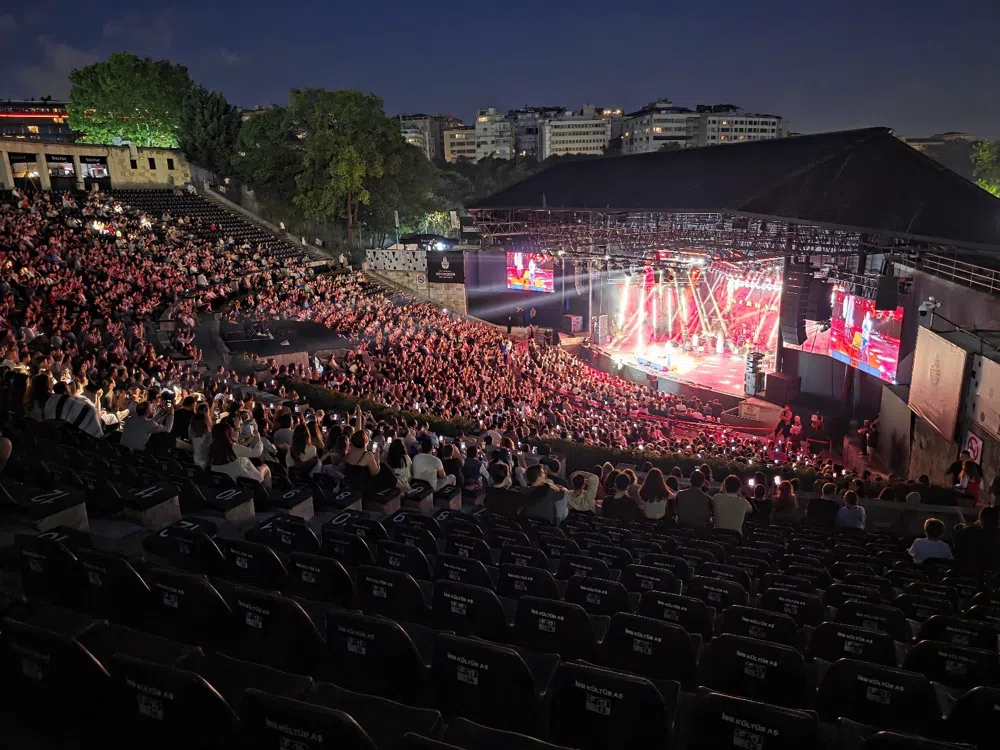
One August Night, Twelve Istanbul Stages
On August 15, 2026, Istanbul's live music scene stops overlapping and starts colliding — a culture editor's guide to twelve real shows, from an island songwriter's set to a full arena for Modern Talking's Thomas Anders.
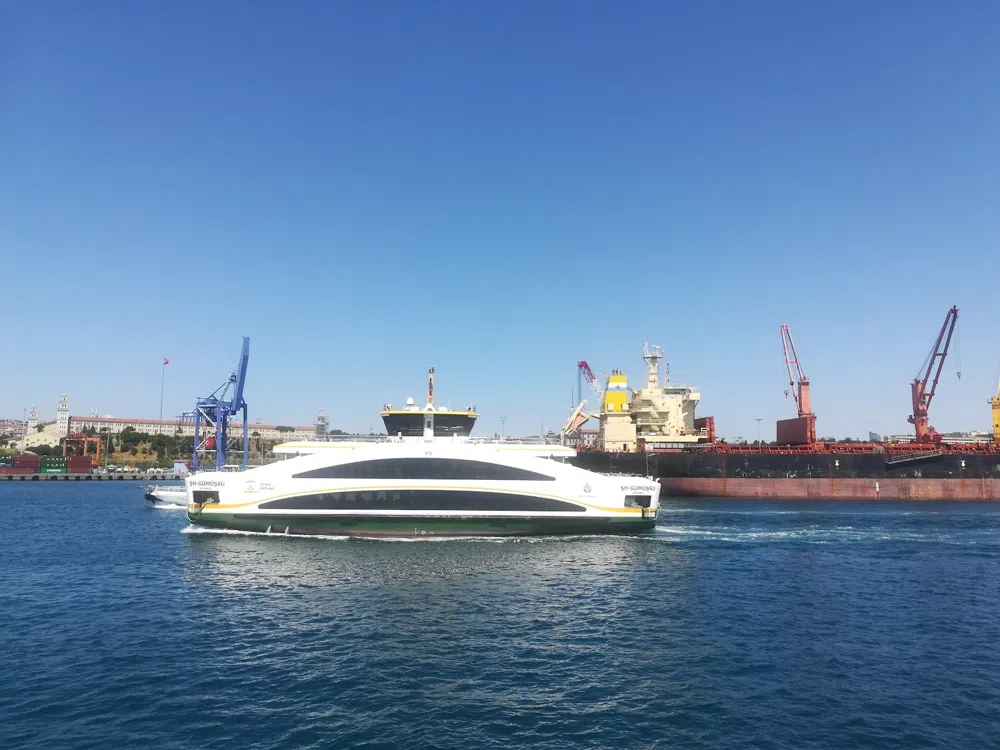
The Vapur Hour: Aboard Istanbul's Bosphorus Ferries
Skip the tourist traps and ride the working ferries — a walking-and-sailing guide to crossing Istanbul the way the city itself does, from the commuter double-deckers to the full-day boat up the strait.
Where to base yourself
The neighborhoods
01
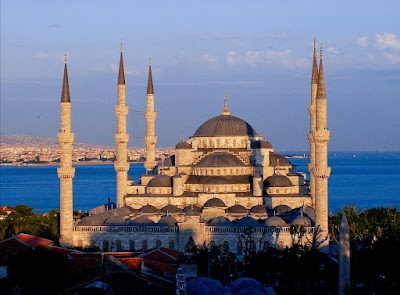
Sultanahmet
For First-time visitors who want to be within walking distance of major historic landmarks. The trade-off is a lack of authentic local nightlife and highly inflated restaurant prices.
The monumental historic core, dominated by massive Byzantine and Ottoman architecture, manicured plazas, and souvenir shops.
Where to stay — Restored Ottoman-era wooden mansions and mid-range boutique hotels.
02
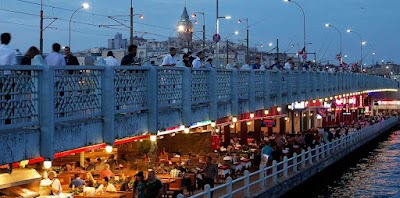
Galata & Karaköy
For Design-conscious travelers and food enthusiasts. The trade-off is the physically demanding terrain and late-night street noise.
A steep, historic district of narrow cobblestone streets, design boutiques, third-wave cafes, and a restored waterfront port.
Where to stay — Stylish boutique hotels in converted 19th-century apartment buildings.
03
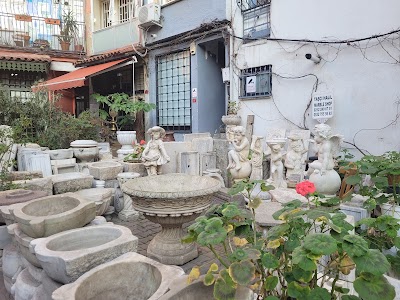
Cihangir & Çukurcuma
For Slow travelers and vintage shoppers who prefer a residential feel. The trade-off is the steep walk to the nearest metro station.
A bohemian enclave of antique dealers, writers, street cats, and leafy residential streets.
Where to stay — Apartment rentals and intimate, low-key guesthouses.
04
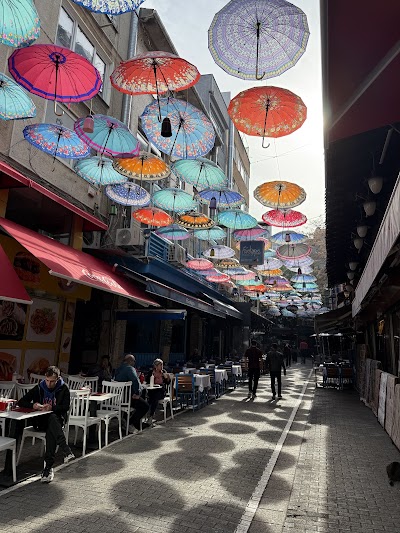
Kadıköy & Moda
For Travelers seeking genuine local life and a youthful atmosphere. The trade-off is a 20-minute ferry ride to reach the European historic sites.
The artistic heartbeat of the Asian side, filled with produce markets, record stores, craft beer bars, and a relaxed coastal park.
Where to stay — Budget-friendly boutique hotels and local guesthouses.
05
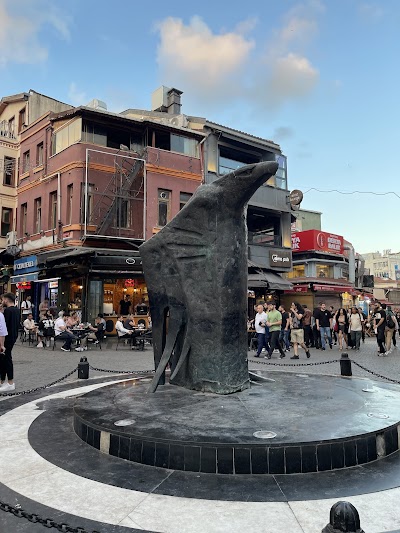
Beşiktaş
For Younger travelers wanting lively nightlife and affordable dining. The trade-off is the chaotic, loud streets and lack of direct metro access to the old city.
A high-energy, student-driven district centered around a busy transit hub and a passionate football culture.
Where to stay — Mid-range commercial hotels and high-end waterfront properties.
06
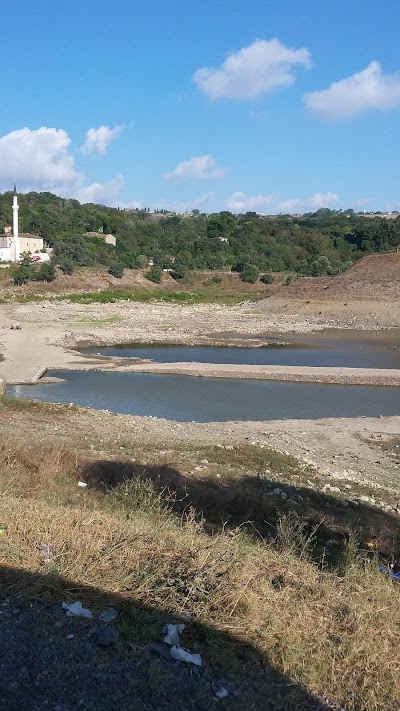
Arnavutköy
For Affluent travelers looking for a slow-paced, scenic retreat. The trade-off is the distance from the city center and reliance on buses or taxis.
An upscale Bosphorus village lined with ornate wooden Ottoman mansions, seafood restaurants, and quiet residential alleys.
Where to stay — High-end boutique guesthouses and luxury rentals.
07
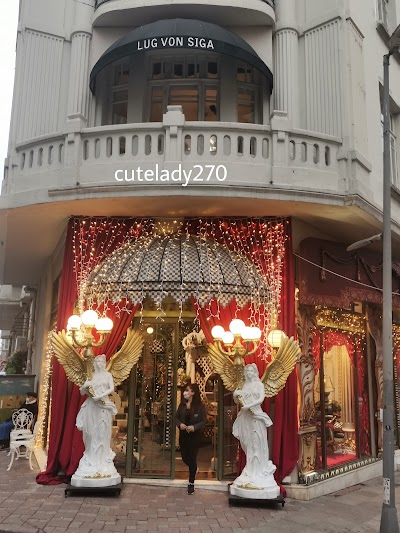
Nişantaşı
For High-end shoppers and travelers who prefer manicured streets over historic grit. The trade-off is the high cost of dining and lodging.
An affluent fashion district characterized by European-style apartment blocks, luxury boutiques, and sidewalk cafes.
Where to stay — Five-star international luxury hotels.
08
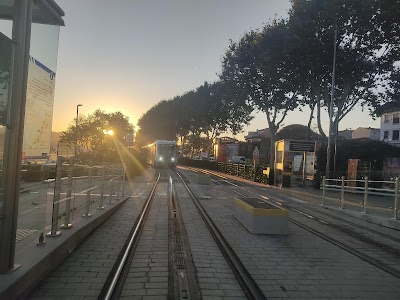
Fener & Balat
For Photographers and history buffs. The trade-off is that some areas are highly conservative, and the steep streets can be challenging.
Historic Greek and Jewish quarters featuring steep cobbled streets, colorful historic houses, churches, and synagogues.
Where to stay — Basic, character-rich guesthouses and home rentals.
09
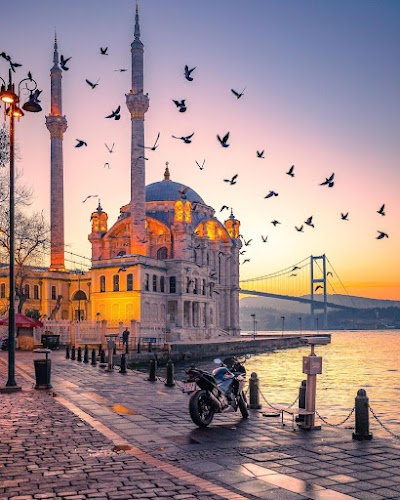
Ortaköy
For Couples and photographers. The trade-off is the intense weekend crowds and severe traffic bottlenecks.
A lively waterfront square dominated by a grand baroque mosque, street food stalls, and Bosphorus views.
Where to stay — Waterfront luxury hotels and small boutique properties.
Book direct
Book a hotel in Istanbul
Loading live availability and real-time prices…
Where to eat
Dining
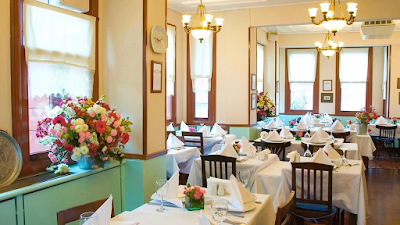
Balıkçı Sabahattin
€€€Sultanahmet
Housed in a restored 19th-century wooden building, this family-run institution serves classic, unpretentious seafood away from the tourist traps.
Signature — Baked sea bass in paper with tomatoes and herbs
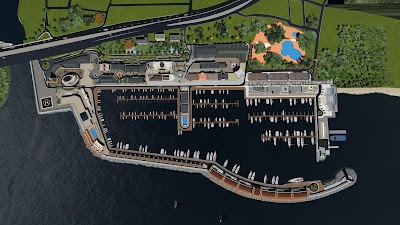
Kıyı
€€€€Tarabya
A legendary northern Bosphorus establishment known for its white-tablecloth service and impeccably prepared seasonal fish.
Signature — Tarama (fish roe dip) and grilled turbot
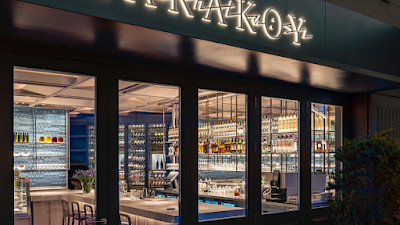
Karaköy Lokantası
€€Karaköy
A stylish, tiled modern tavern serving exceptional cold seafood meze by day and transforming into a lively meyhane by night.
Signature — Marinated sea bass with mustard sauce
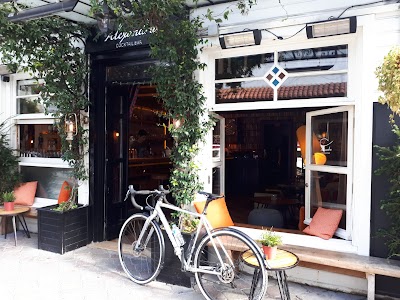
Adem Baba
€€Arnavutköy
A former boat restaurant turned brick-and-mortar spot, famous for serving no-nonsense, fresh seasonal fish without the luxury price tag.
Signature — Fried calamari and seasonal red mullet
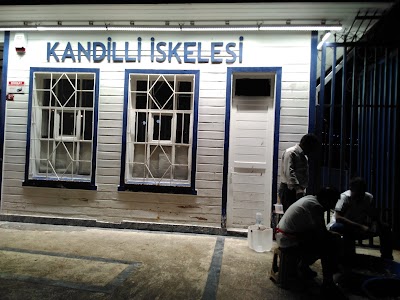
Suna'nın Yeri
€€Kandilli
A casual, open-air spot on the Asian waterfront where diners eat simple fried fish right at the ferry pier.
Signature — Fried horse mackerel (istavrit)
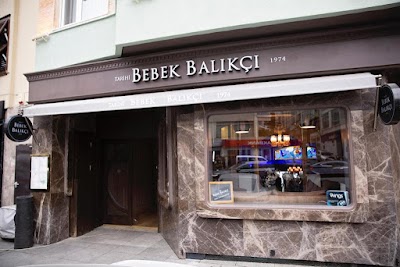
Bebek Balıkçısı
€€€€Bebek
An upscale waterfront venue offering panoramic Bosphorus views and a high-profile clientele.
Signature — Salt-baked sea bass
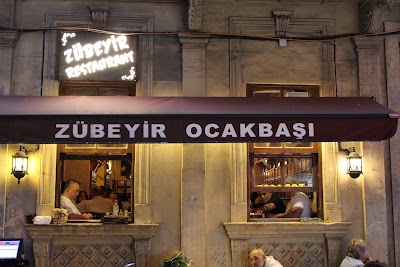
Zübeyir Ocakbaşı
€€Taksim
A traditional fireside dining experience where masters grill spiced meats over hot coals in a copper hood.
Signature — Lamb shish kebab and spicy gavurdağı salad
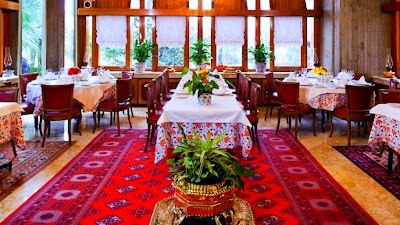
Beyti
€€€€Florya
A legendary mid-century temple of meat designed in modern Ottoman style, located near the old airport.
Signature — The Beyti Kebab (ground lamb wrapped in lavash with tomato and yogurt)
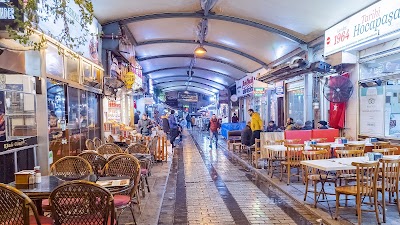
Şehzade Cağ Kebap
€Sirkeci
A basic, highly popular spot specializing in horizontal spit-roasted lamb cooked over wood fire.
Signature — Cağ kebab served with thin lavash and spicy onion salad
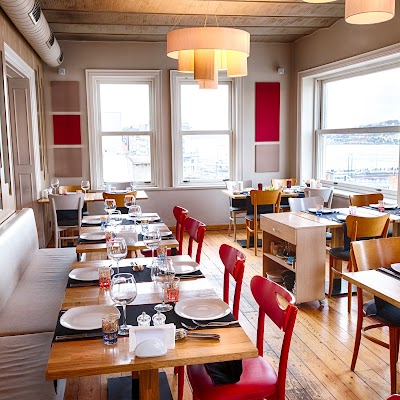
Ali Ocakbaşı
€€Karaköy
A modern rooftop ocakbaşı offering views of the Golden Horn alongside traditional grilled meats.
Signature — Uykuluk (grilled sweetbreads)
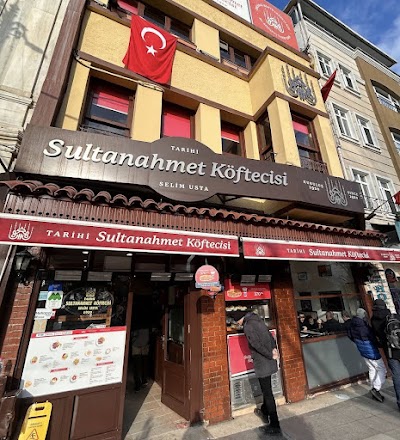
Tarihi Sultanahmet Köftecisi
€Sultanahmet
Operating since 1920, this no-nonsense joint serves classic grilled meatballs to locals and tourists alike.
Signature — Grilled köfte with spicy red pepper sauce and piyaz (white bean salad)
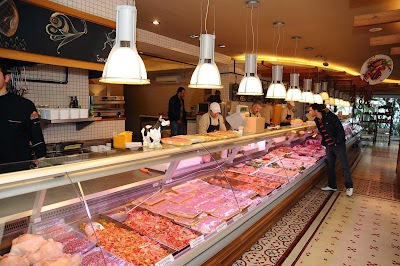
Günaydın Kasap & Steakhouse
€€€Etiler
An upscale steakhouse that began as a butcher shop, known for high-quality dry-aged cuts.
Signature — Dry-aged T-bone steak
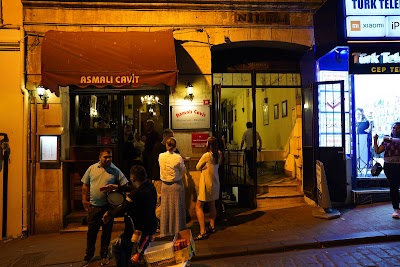
Asmalı Cavit
€€Asmalımescit
A classic, award-winning traditional meyhane with wood-paneled walls and an intellectual local crowd.
Signature — Yaprak ciğer (thinly sliced fried liver)
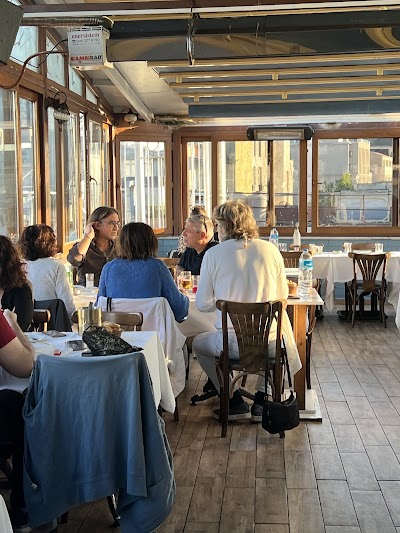
Aret'in Yeri
€€Beyoğlu
A modern tavern specializing in Armenian-influenced meze, located in the historic nightlife district.
Signature — Topik (chickpea, potato, and tahini paste dumpling)
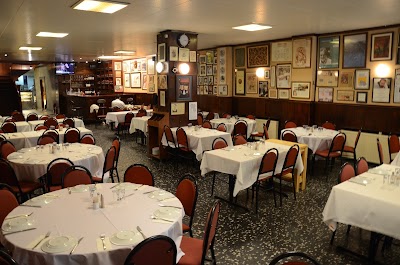
Yakup 2
€€Asmalımescit
A historic bohemian hangout where writers and artists have gathered for decades over classic meze.
Signature — Warm hummus with pastırma (cured beef)
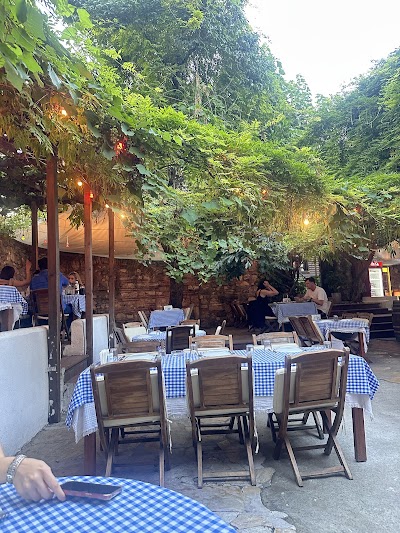
Giritli Restoran
€€€Cankurtaran
Set in a walled garden, this restaurant specializes in Cretan-style olive oil dishes and wild greens.
Signature — Octopus salad with olives and wild herbs
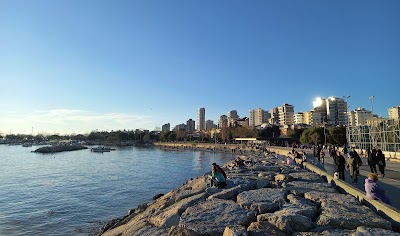
Sadiye
€€Kadıköy
A contemporary meze bar on the Asian side offering fresh, seasonal interpretations of classic tavern dishes.
Signature — Grilled octopus with samphire
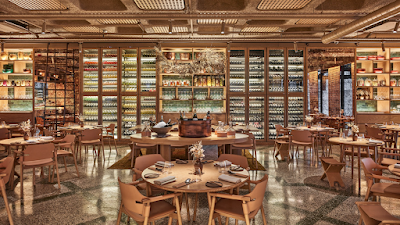
Turk Fatih Tutak
€€€€Şişli
A highly acclaimed restaurant offering an elevated, deeply researched tasting menu inspired by Turkish culinary heritage.
Signature — Manti (micro-dumplings) with fermented yogurt
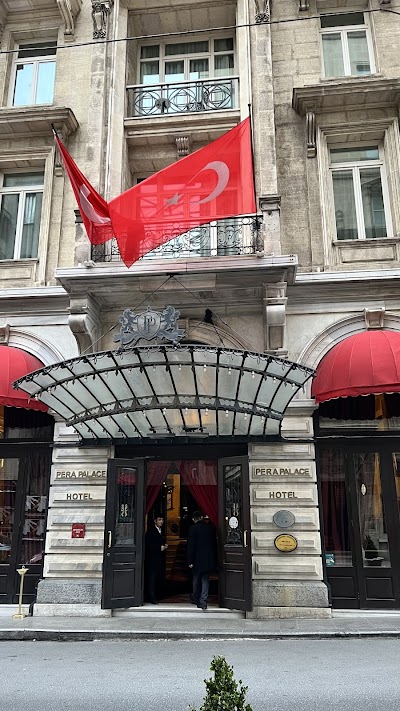
Mikla
€€€€Tepebaşı
Located on the rooftop of The Marmara Pera, this pioneer of New Anatolian kitchen offers panoramic views of the historic peninsula.
Signature — Slow-cooked lamb with plum paste and salted yogurt
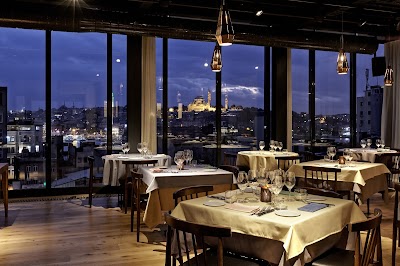
Neolokal
€€€€Karaköy
Housed inside the Salt Galata cultural center, this restaurant focuses on preserving and modernizing endangered Anatolian recipes.
Signature — Double-baked tahini hummus with quail egg
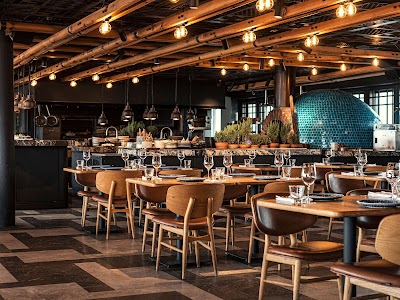
Mürver
€€€€Karaköy
An open-fire kitchen on a hotel rooftop overlooking the Bosphorus, where dishes are cooked over live wood coals.
Signature — Ash-cooked octopus with pickled onions
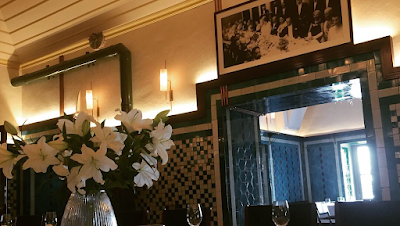
Pandeli
€€€Eminönü
A historic, lunch-only restaurant located above the entrance of the Spice Bazaar, featuring turquoise-tiled walls.
Signature — Eggplant pie baked in puff pastry
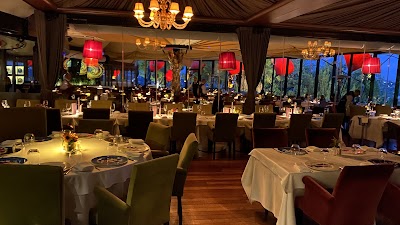
Sunset Grill & Bar
€€€€Ulus
An upscale hilltop classic offering a mix of Mediterranean cuisine, sushi, and sweeping views of the Bosphorus Bridge.
Signature — Duck rolls with hoisin sauce
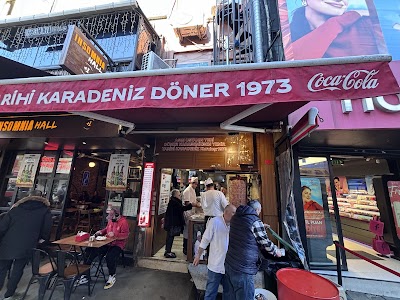
Karadeniz Dönercisi Asım Usta
€Beşiktaş
A legendary lunch spot where a massive vertical spit of high-quality beef döner sells out by mid-afternoon.
Signature — Beef döner served in fresh pide bread
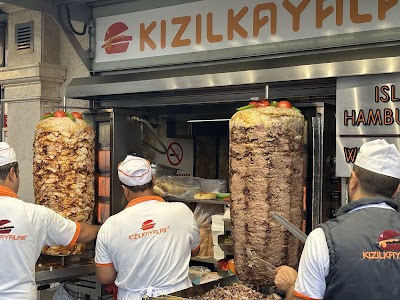
Kızılkayalar
€Taksim
A late-night street food kiosk on Taksim Square famous for its quick, steam-heated burgers.
Signature — Islak Burger (steamed garlic-tomato beef burger)
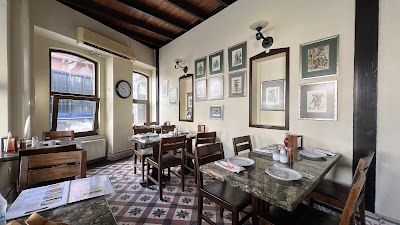
Lale İşkembecisi
€Beyoğlu
An iconic, clean tripe soup specialist operating since the early 20th century, popular after a night out.
Signature — İşkembe (tripe) soup with garlic vinegar
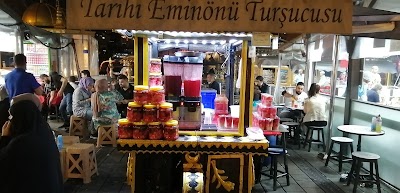
Tarihi Eminönü Balık Ekmek
€Eminönü
Casual fish sandwiches served directly from ornate, rocking boats moored along the Golden Horn.
Signature — Balık ekmek (grilled mackerel sandwich with onions and lettuce)
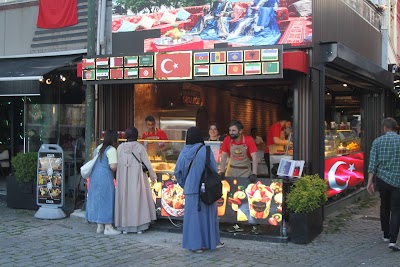
Tarihi Ortaköy Kumpircisi
€Ortaköy
A row of competitive stalls serving massive baked potatoes loaded with customizable toppings.
Signature — Kumpir (baked potato mashed with butter, cheese, and olives)
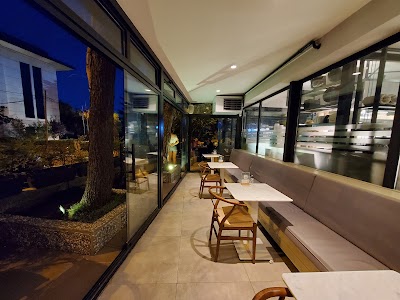
Bi Nevi Deli
€€Etiler
A pioneer in plant-based dining, offering whole-food, oil-free, and gluten-free options in a bright space.
Signature — Jackfruit pulled-protein burger
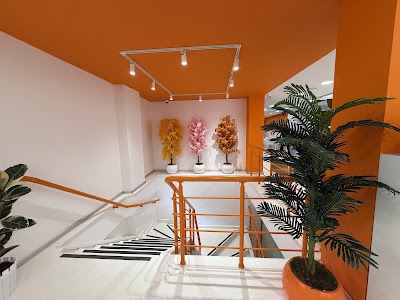
Yuzu
€€Moda
A fully vegan Asian-inspired restaurant on the Asian side, known for creative sushi and noodle dishes.
Signature — Vegan sushi rolls with tempura sweet potato
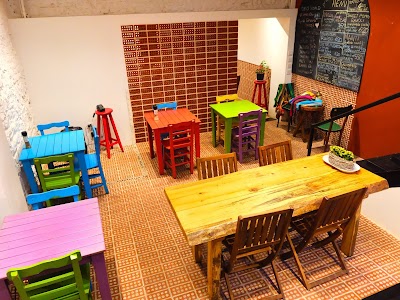
Community Kitchen
€Balat
A cozy, informal cafe in Balat that veganizes traditional Turkish meat classics.
Signature — Vegan Iskender kebab made with seitan
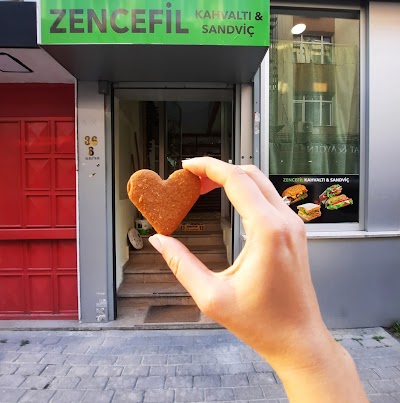
Zencefil
€Beyoğlu
One of the city's oldest vegetarian-friendly cafes, featuring a quiet courtyard and home-style cooking.
Signature — Lentil patties and vegetable lasagna
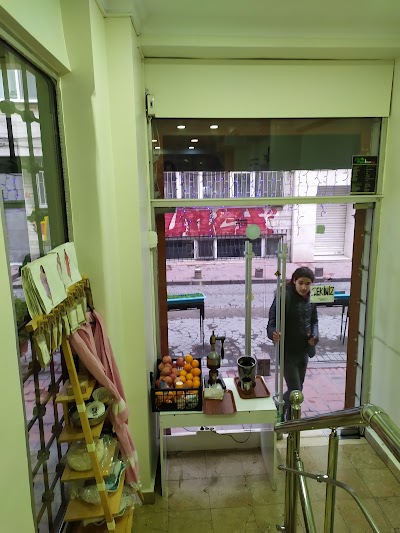
Mahatma Cafe
€Kadıköy
A colorful, fully vegan cafe in the heart of Kadıköy using local olive oil and seasonal produce.
Signature — Seasonal vegetable stews served with bulgur
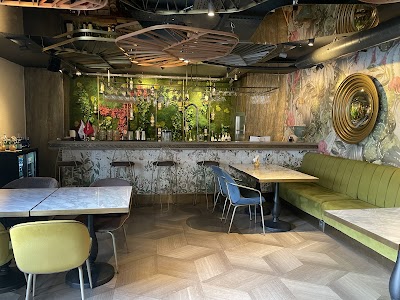
Healin Foods
€€Teşvikiye
A health-focused restaurant in the upscale fashion district offering organic, vegetarian, and vegan bowls.
Signature — Avocado and poached egg sourdough (with vegan alternatives)
After dark
Nightlife
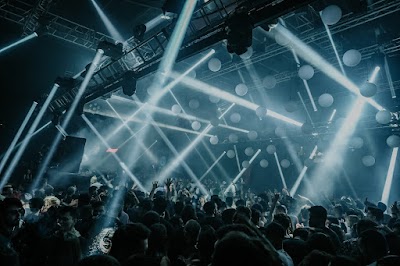
Klein Phönix
Maslak
A massive industrial warehouse space hosting major international techno and house DJs.
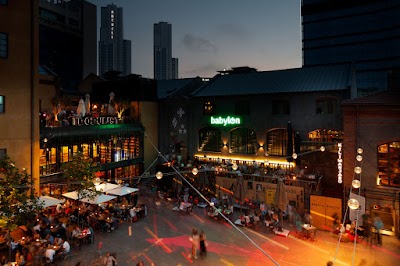
Babylon
Bomonti
Located in a historic beer factory complex, this legendary venue hosts alternative club nights and live acts.
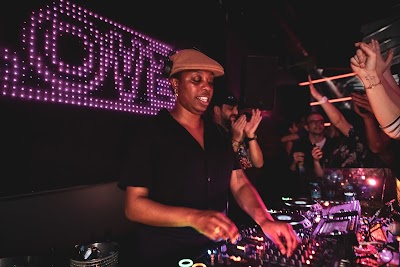
MiniMüzikhol
Cihangir
An intimate, long-running underground club hidden in a residential building, known for quality electronic music.
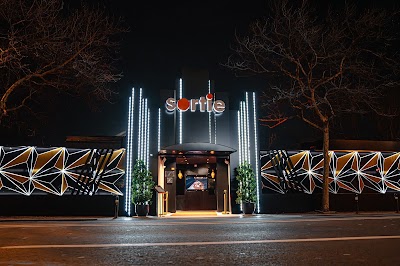
Sortie
Kuruçeşme
A massive, open-air waterfront complex combining multiple restaurants and dance floors directly on the Bosphorus.
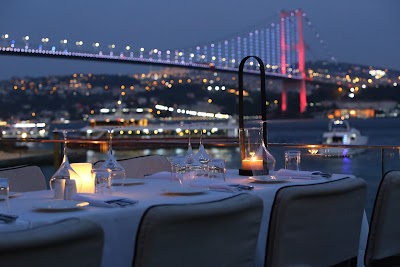
Ruby
Ortaköy
A waterfront club offering dramatic views of the illuminated Bosphorus Bridge from its outdoor decks.
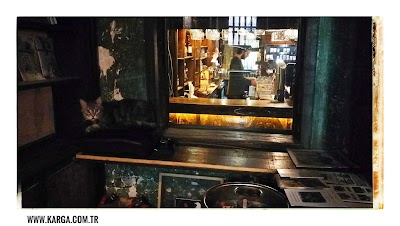
Karga
Kadıköy
A dark, multi-story alternative club set in a historic wooden house on the Asian side.
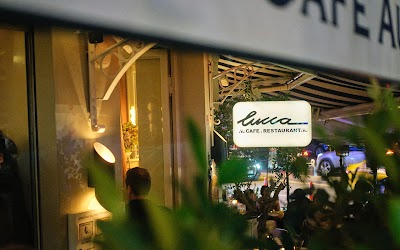
Lucca
Bebek
A trendy neighborhood bistro that transforms into a high-profile cocktail bar and social hub at night.
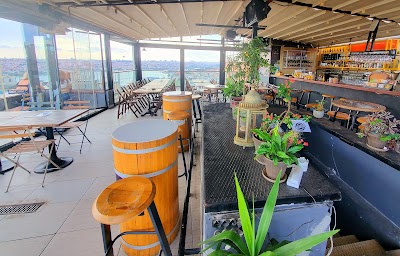
Balkon
Asmalımescit
A casual, unpretentious rooftop bar offering panoramic views of the Golden Horn and affordable drinks.
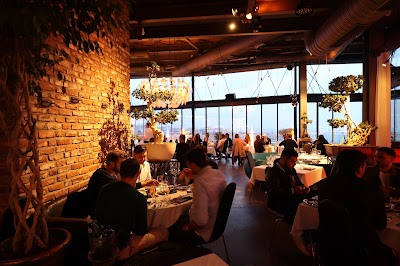
360 Istanbul
Beyoğlu
An iconic penthouse venue offering a full 360-degree view of the city alongside theatrical cocktails.
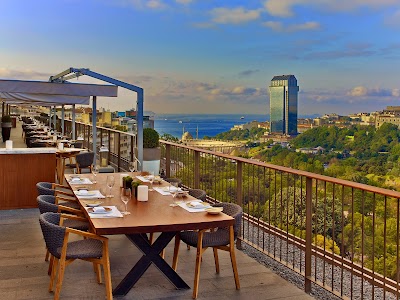
Spago by Wolfgang Puck
Nişantaşı
A sophisticated rooftop bar at the St. Regis hotel, overlooking Maçka Park and the Bosphorus.
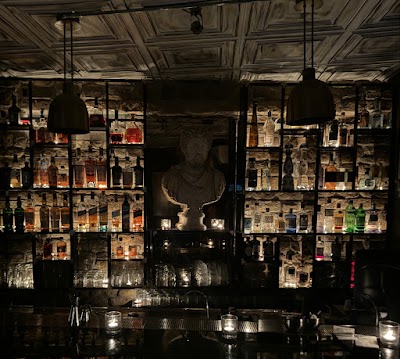
Flea Cocktail Bar
Galata
A tiny, hidden cocktail bar specializing in experimental drinks and vinyl records.
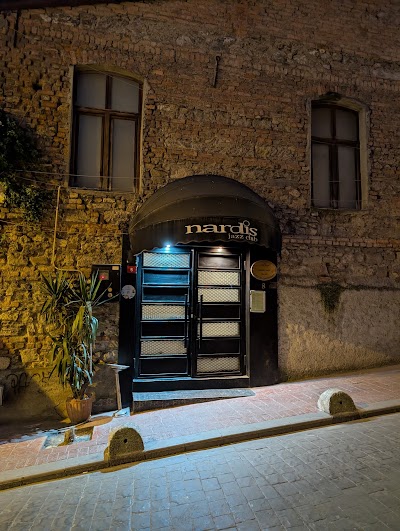
Nardis Jazz Club
Galata
The city's premier jazz venue, located near the Galata Tower, hosting top local and international jazz musicians.
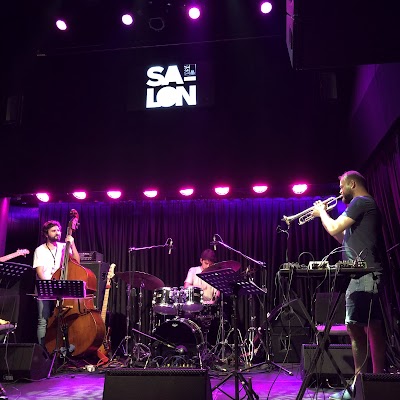
Salon IKSV
Şişli
The performance space of the Istanbul Foundation for Culture and Arts, hosting cutting-edge indie and post-punk acts.
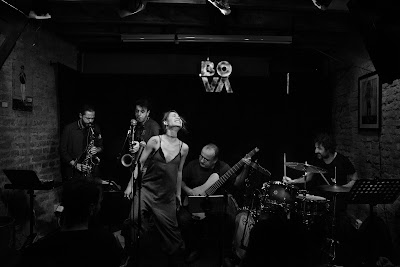
Bova
Kadıköy
A cozy, bohemian bar on the Asian side hosting nightly live jazz, blues, and experimental local bands.
Coop
Taksim
An underground rock and alternative venue hosting local indie bands and energetic rock nights.
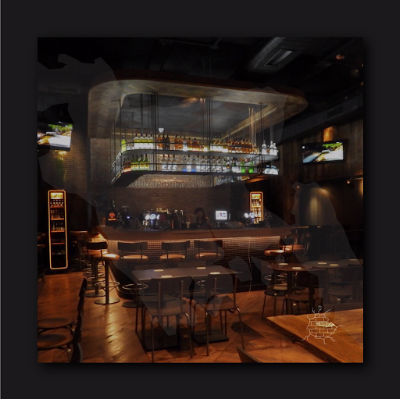
The Wall Saloon & Performance
Kadıköy
A multi-genre live performance space popular with the Asian-side alternative youth.
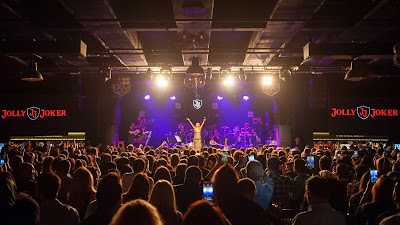
Jolly Joker Vadistanbul
Sarıyer
A large, modern concert hall hosting mainstream Turkish pop and rock stars with high-quality production.
Art & history
Culture
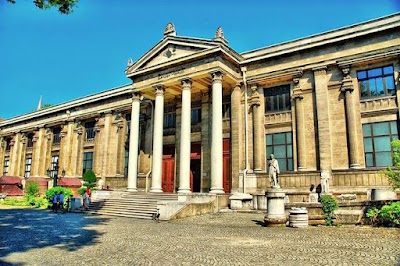
Istanbul Archaeological Museums
Sultanahmet
A complex of three museums housing over a million classical antiquities, including the Alexander Sarcophagus.
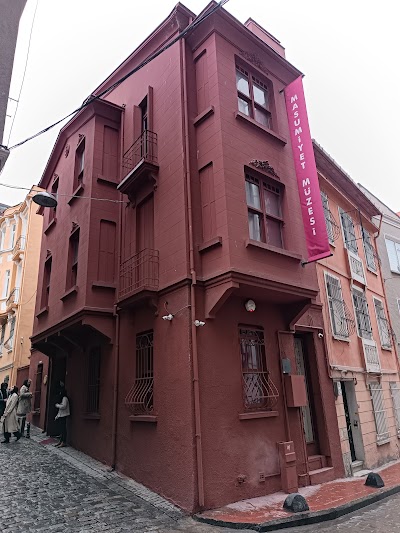
Museum of Innocence
Çukurcuma
Created by Nobel laureate Orhan Pamuk, this museum physically displays the objects collected by the characters in his novel of the same name.
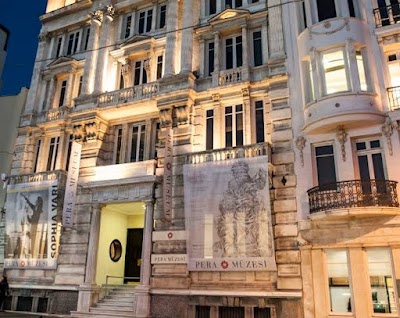
Pera Museum
Tepebaşı
Housed in a historic building, it features Orientalist paintings, including Osman Hamdi Bey's famous 'The Tortoise Trainer'.
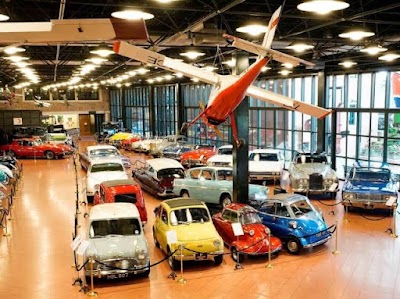
Rahmi M. Koç Museum
Hasköy
An industrial museum on the Golden Horn showcasing vintage cars, trains, aircraft, and a historic submarine.
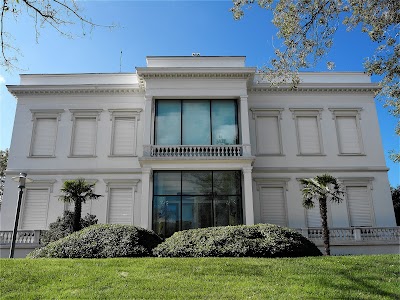
Sakıp Sabancı Museum
Emirgan
Located in a beautiful villa on the northern Bosphorus, known for its calligraphy collection and major temporary art exhibitions.
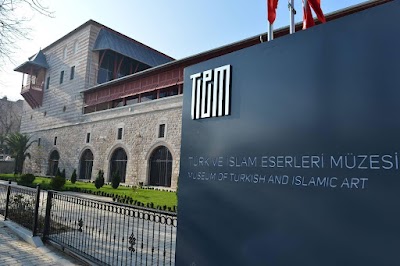
Museum of Turkish and Islamic Arts
Sultanahmet
Set in the former palace of Ibrahim Pasha, it houses an extraordinary collection of ancient carpets and calligraphy.
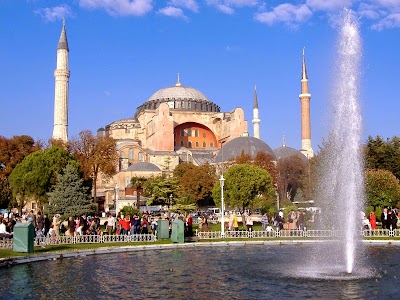
Hagia Sophia
Sultanahmet
A Byzantine masterpiece of engineering, built as a cathedral in the 6th century, later converted to a mosque.
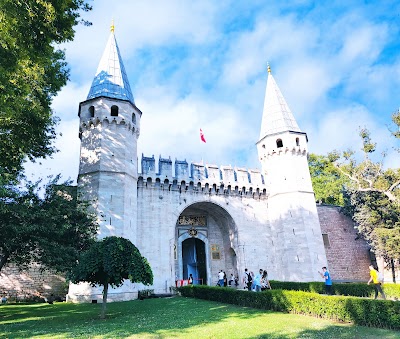
Topkapı Palace
Sultanahmet
The administrative center of the Ottoman Empire for four centuries, featuring courtyards, a treasury, and the Harem.
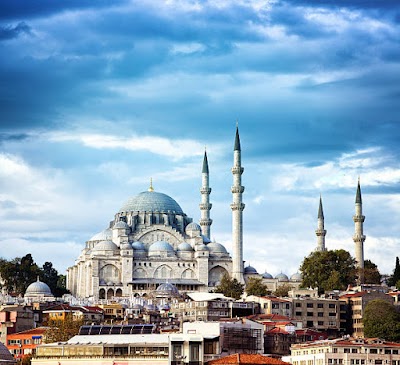
Süleymaniye Mosque
Fatih
Mimar Sinan's architectural masterpiece, offering perfect acoustics, a serene atmosphere, and panoramic Golden Horn views.
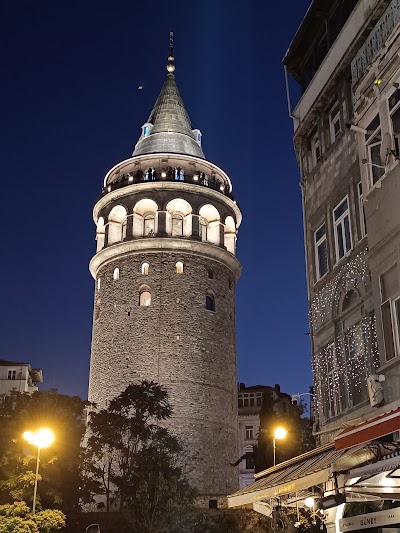
Galata Tower
Galata
A Genoese stone tower offering unobstructed 360-degree views of the historical peninsula and the Bosphorus.
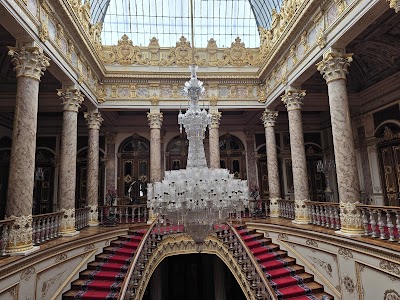
Dolmabahçe Palace
Beşiktaş
A 19th-century European-style Ottoman palace featuring massive crystal chandeliers and a waterfront location.
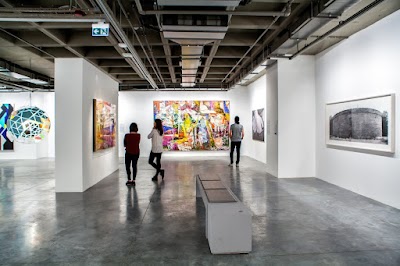
Istanbul Modern
Karaköy
Turkey's premier modern art museum, housed in a striking waterfront building designed by Renzo Piano.
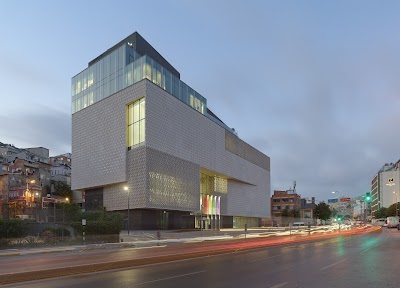
Arter
Dolapdere
A bold, contemporary art space showcasing provocative installations and international exhibitions.
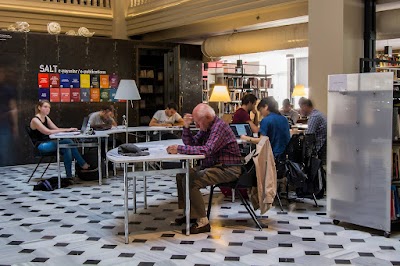
Salt Galata
Karaköy
A cultural institution in a former Ottoman bank, featuring a beautiful neoclassical atrium, research library, and gallery.
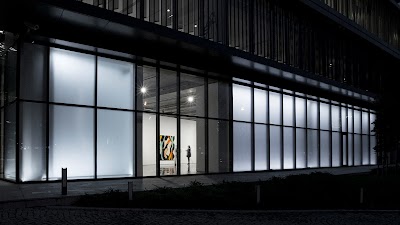
Dirimart
Dolapdere
A leading commercial gallery showcasing major international and Turkish contemporary artists.
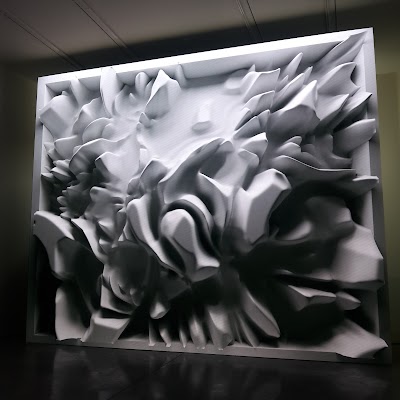
Pilevneli Gallery
Dolapdere
A multi-story contemporary art space known for massive, immersive exhibitions and striking raw concrete architecture.
Book ahead
Top-rated experiences in Istanbul

Private and Guided Istanbul Food Tour: Taste of Istanbul
from $300

Istanbul Photoshoot at ALL Top Sightseeings
from $142

Hidden Beyoğlu Tour
from $150

Daily Ertugrul Tour from Istanbul
from $618

Istanbul Photoshoot tour with Local Photographer
from $59

Traditional Home Cooking with a Local in İstanbul City Center
from $102

Basilica Cistern (Private Guide & No waiting) Ticket not included
from $30

Best Highlights in Hagia Sophia Skip the Line Private Tour
from $59
Prices from Viator; we may earn a commission when you book — at no extra cost to you. Tours are sold and operated by Viator, the merchant of record. Ratings are collected by Viator and Tripadvisor.
Timing
When to visit
Spring
From April to May, the weather is mild and the city parks are filled with millions of blooming tulips. It is highly suitable for walking, though popular historic sites experience high visitor numbers.
Summer
From June to August, the city is hot and humid. Locals migrate to the Bosphorus coast or the Princes' Islands to catch the sea breeze, and rooftop venues are highly active.
Autumn
From September to November, temperatures cool down and the summer crowds thin. This is an excellent time for cultural festivals and exploring the historic quarters on foot.
Winter
From December to March, the city is cold, rainy, and occasionally snowy. While outdoor exploring requires heavy layers, the indoor museums are quiet and the Bosphorus is atmospheric under heavy fog.
What it costs
Budgeting
Logistics
Getting around
From the airport
From Istanbul Airport (IST) on the European side, the M11 metro line connects directly to the northern transit hubs, while Havaist buses offer direct routes to central areas like Taksim and Aksaray. From Sabiha Gökçen Airport (SAW) on the Asian side, the M4 metro line connects to Kadıköy, and Havabus shuttles run directly to Taksim.
Public transit
The transit network is highly integrated, consisting of metros, historic trams, funiculars, and public ferries. Ferries are the most practical and scenic way to travel between the European and Asian sides, bypassing heavy bridge traffic.
Passes & tickets
The Istanbulkart is a rechargeable contactless smart card used across all public transit, including ferries and public toilets. It is highly economical, costing under €5 to purchase and load with credit for multiple journeys.
On foot
While individual neighborhoods like Sultanahmet, Galata, and Kadıköy are highly walkable, the city as a whole is too vast and hilly to navigate solely on foot. Comfortable footwear with good grip is essential for the steep, polished cobblestones.
Travel smart
Safety & etiquette
Local etiquette
- •Remove your shoes before entering mosques; women must cover their heads and shoulders (scarves are usually provided).
- •Avoid public displays of affection in conservative neighborhoods like Fatih or Üsküdar.
- •Do not blow your nose loudly in public, especially in restaurants.
From the ground
Practical tips
1
Buy an Istanbulkart at the airport or transit hubs; it works for ferries, metros, trams, and even public toilets.
2
Download the BiTaksi or Uber app to hail yellow cabs; this ensures the route is tracked and reduces the chance of fare manipulation.
3
Visit Hagia Sophia and the Basilica Cistern early in the morning right at opening to avoid massive tour group queues.
4
Always carry a small amount of cash in Turkish Lira for street food vendors, public toilets, and small tips.
5
When shopping in the Grand Bazaar, negotiate politely; start by offering half the initial price and work your way to a middle ground.
6
Take the public ferry instead of expensive private Bosphorus dinner cruises; the views are identical and the experience is far more authentic.
7
Dress modestly when visiting historic neighborhoods like Fatih or Balat to show respect for the local conservative communities.
Istanbul FAQs
Do I need a visa for Turkey?
Many nationalities can enter visa-free for up to 90 days, while others must apply for an e-Visa online before arrival.
Is the tap water safe to drink?
No, locals do not drink tap water; use bottled or filtered water even for brushing teeth if you have a sensitive stomach.
How do I cross from Europe to Asia?
The public ferry is the most scenic and cheapest way, though you can also take the Marmaray underwater train for speed.
What is the tipping culture?
In casual spots, round up the bill; in mid-range to fine dining restaurants, a 10% cash tip is standard and highly appreciated.
Are shops closed on Sundays?
Most shops, malls, and restaurants remain open on Sundays, though some historic markets like the Grand Bazaar are closed.