In this area
Fener & Balat
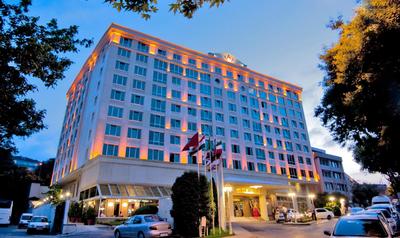
Akgun Istanbul Hotel, WorldHotels Crafted
9.1· 9,543 reviews
approx. from£71 / nightSee prices
The Istanbul issue
A steep, story-soaked walk through Istanbul’s Fener and Balat, where the Patriarchate, cast-iron church, Sephardic traces and rainbow-painted lanes all sit within one very lived-in hillside quarter.
By Deniz YalçınDome by dome, mosaics to Kadıköy murals
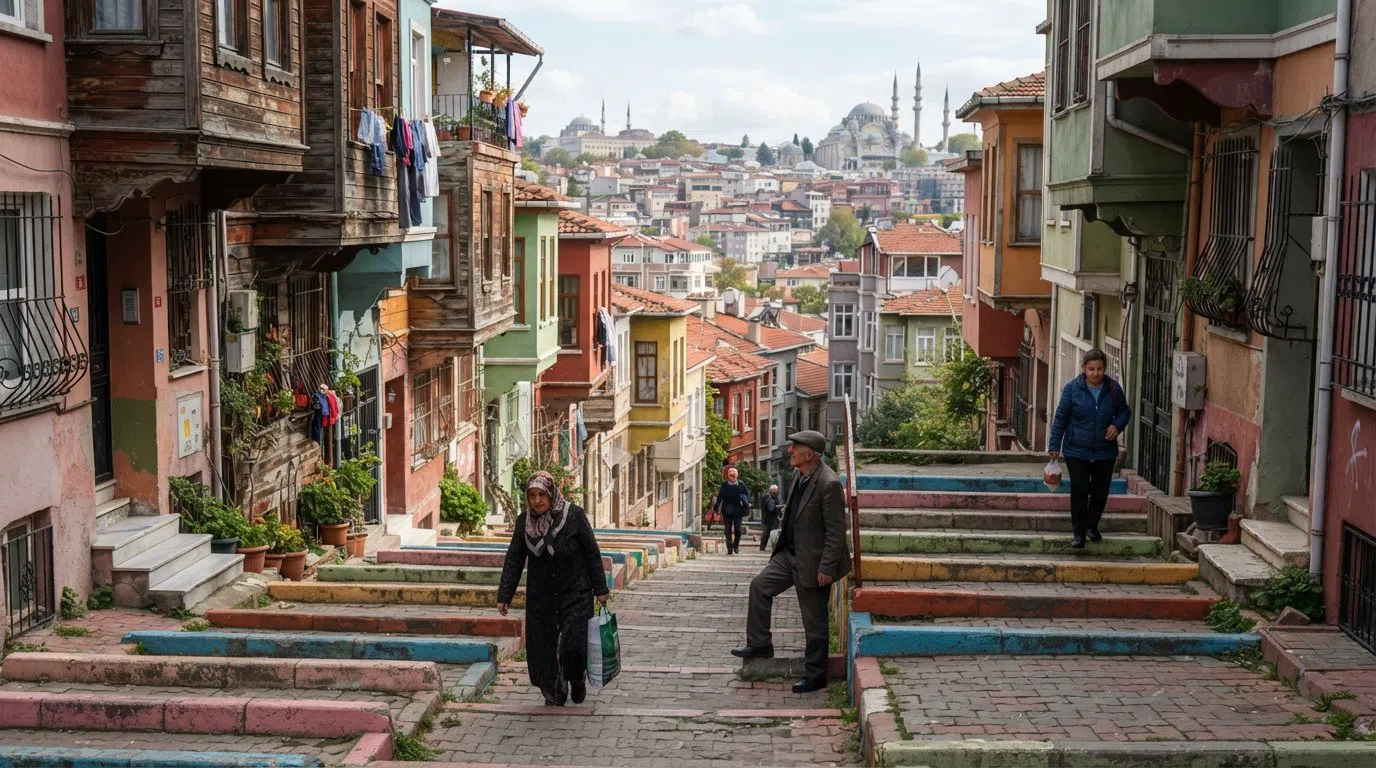
Two neighbours share one steep hillside above the Golden Horn: Fener, the old Greek quarter that still runs the Orthodox Church, and Balat, the old Jewish one, now Istanbul's most photographed grid of painted terraces. A tram pulls in roughly every eight minutes and empties a fresh wave of camera phones onto cobbles where 12,000 people actually live. That tension — between postcard and porch light, between the neighbourhood as a backdrop and the neighbourhood as a place people still mop, shop, pray and argue in — is the whole point here.
Balat gets the first glance. It is loud with colour and quiet with age at the same time, which is a trick most neighbourhoods never quite manage. The famous streets — Kiremit Caddesi, the stepped Merdivenli Yokuş, the umbrella-strung lane by İncir Ağacı Kahvesi — are genuinely lovely and genuinely mobbed on weekends, when Saturday afternoons turn the narrow slopes into a slow shuffle of influencers and tour groups. Come on a weekday morning instead and the place loosens its collar. Cats sleep on car bonnets. A grandmother beats a rug from a bay window. Someone pulls shots two doors down from a 140-year-old candy counter. The street colour is real, but it is only the newest layer.
Fener, just uphill and along the water, answers that brightness with a different register: calmer, more solemn, less interested in being photographed. This is where the Ecumenical Patriarch still leads Easter services, where a red-brick school the size of a castle looms over everything, and where you can walk five minutes and not see another tourist. The quarter’s history is not decorative. Fener was the seat of Constantinople’s Greek elite after 1453 and remains the headquarters of Eastern Orthodoxy worldwide; Balat was the Jewish quarter that swelled with Sephardic families fleeing Spain in the 1490s. The result is a hillside where Byzantine, Ottoman, Greek, Jewish, Armenian and Bulgarian history are stacked so tightly you can almost hear the mortar.
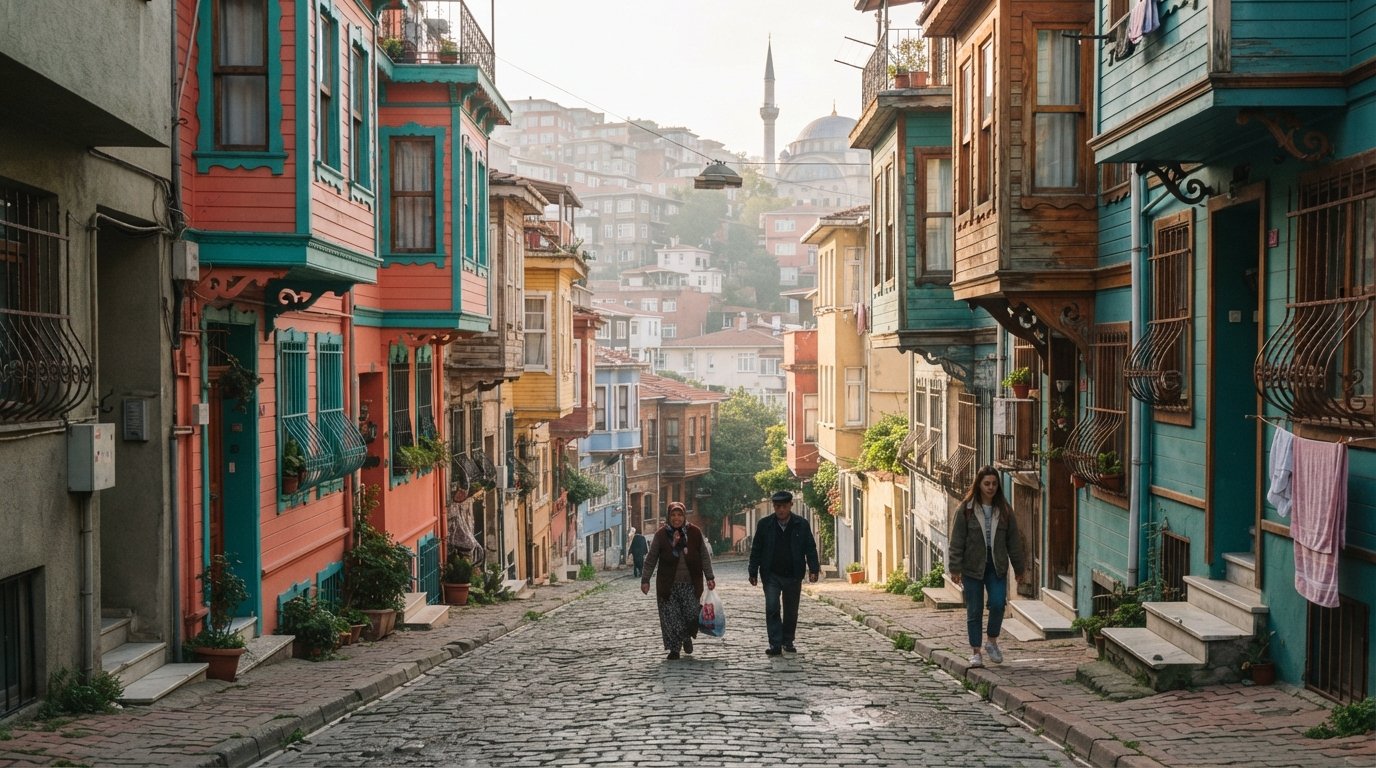
That history is legible on the ground in a way Istanbul rarely bothers to make easy. A Greek patriarchate, a Bulgarian church made entirely of cast iron, a synagogue with a boat-shaped pulpit, an Armenian church with a holy spring — all within a fifteen-minute walk. Add the more recent layer of cafés, antique stores and colour-washed terraces, and you get a neighbourhood that is mid-gentrification and not pretending otherwise. Rents have rocketed, residents are visibly ambivalent about the crowds their pretty facades attract, and the whole place can feel like a living argument about who gets to profit from beauty. The answer, if you are sensible, is to show up early, spend real money in old shops, and keep your camera off people’s front doors.
Live prices from our booking partners.
Free cancellation on many rooms. We may earn a commission when you book.
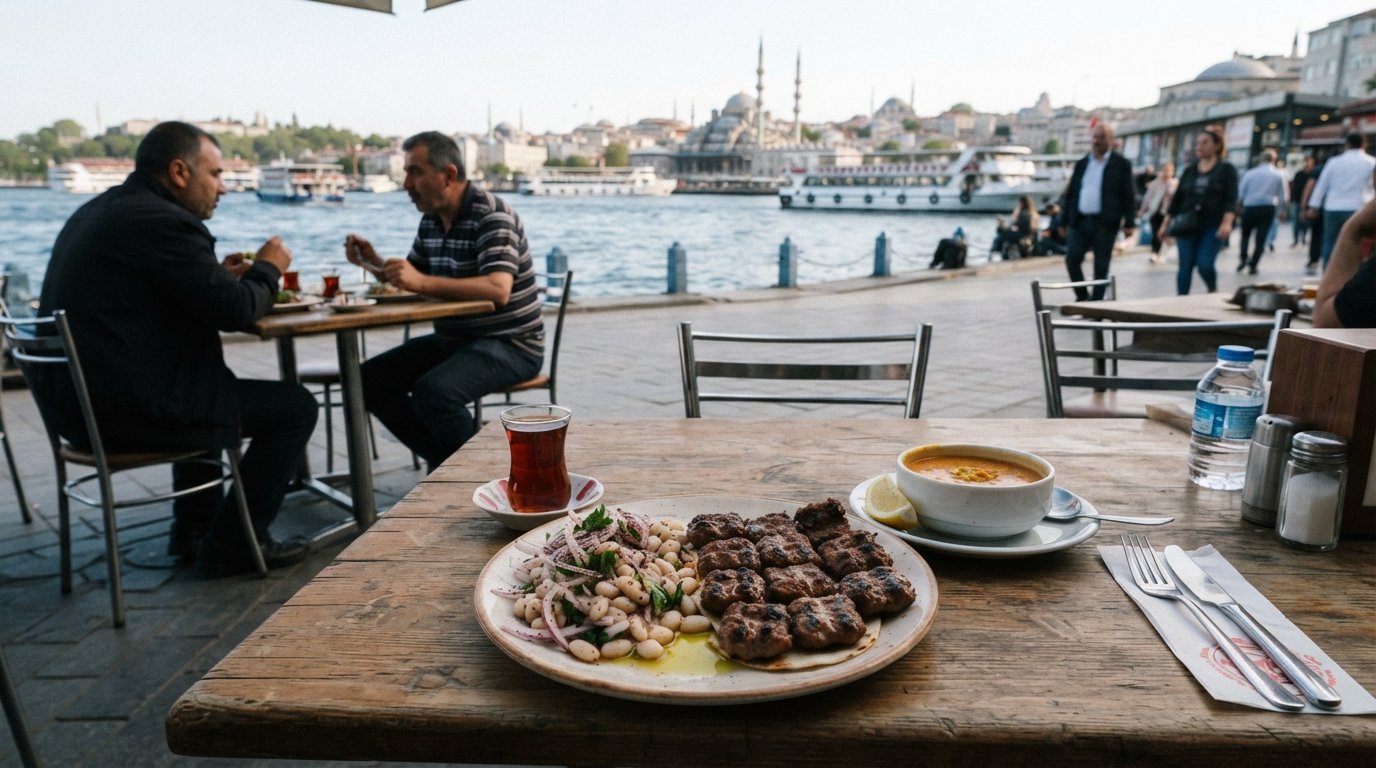
The food here does not try to outmuscle the neighbourhood. It fits the streets: practical, old-fashioned, occasionally excellent, and happiest when it is not performing. Start with Köfteci Arnavut, the neighbourhood’s culinary anchor, a two-storey brick köfte house opened by an Albanian family in 1947 near the waterfront. The menu is barely more than square-cut, lightly charred grilled meatballs, a bean salad (piyaz) and lentil soup, and that is exactly the point. No one comes here for a lecture on reinvention. They come because the place has spent decades doing one thing properly.
Forno Balat on Fener Kireçhane Sokak takes a slightly broader brief and still keeps its feet on the ground: wood-oven pide and lahmacun, plus a big weekend Turkish brunch of oven-baked eggs with sucuk, artisan cheeses, and honey with clotted cream. It is the sort of place that makes sense after a long walk uphill, when you want something hot, salty and a little excessive without drifting into fuss.
Coffee, though, is where the neighbourhood has really leaned into its present tense. Coffee Department in adjacent Ayvansaray is a tiny in-house microroastery pouring drip served in a glass carafe with tasting notes. Posa Coffee Roastery carries the signature of Muhammed Karaman, a Balat-born, competition-winning barista who roasts his own imported beans and invents his own syrups. One is precise and compact; the other is more personal, more proudly local. Both understand that in a neighbourhood this steep, caffeine is less a lifestyle than a transport system.
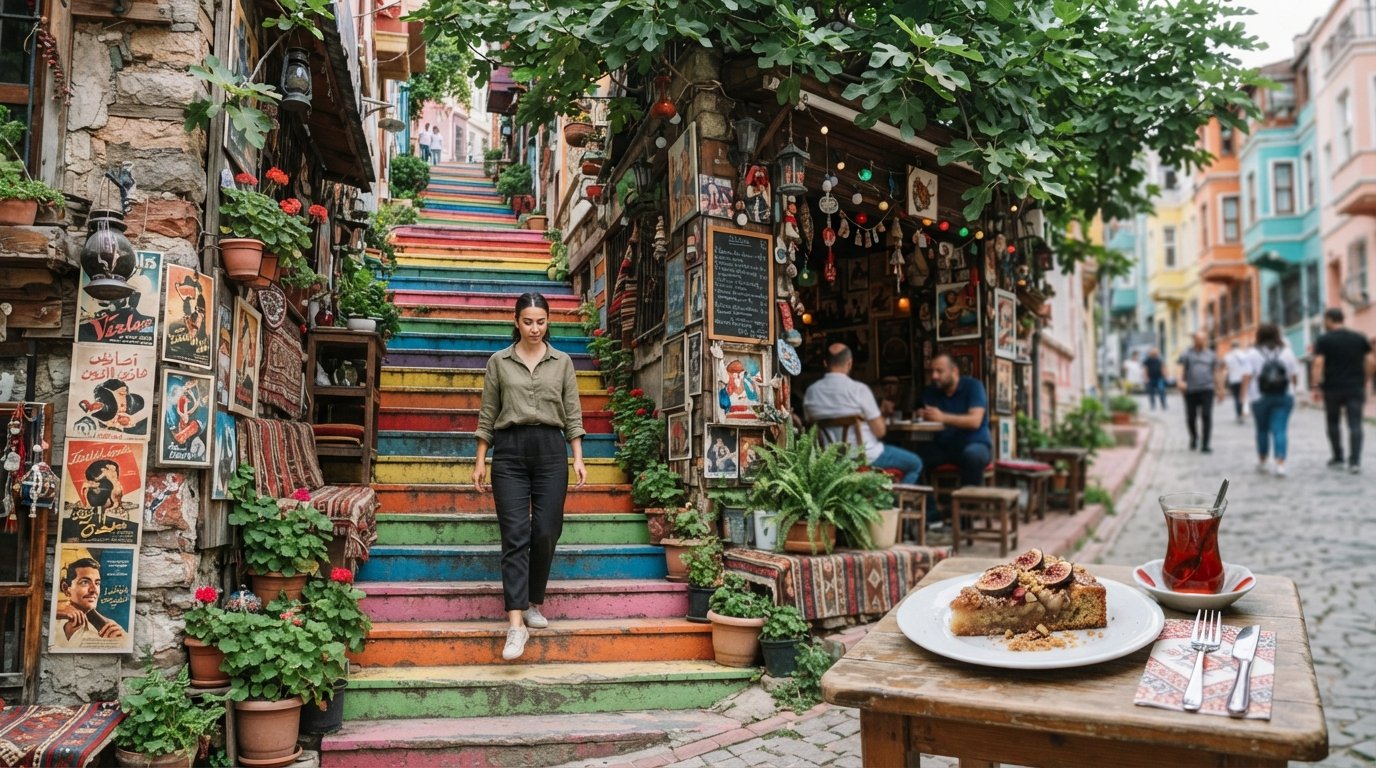
For atmosphere over precision, Naftalin K on Yıldırım Caddesi feels like your grandmother’s kitchen crossed with a record shop. It is cat-filled, retro, and happy to let Turkish coffee and home cooking share space with vinyl and vintage decor. A few steps away in mood, if not in exact address, İncir Ağacı Kahvesi — the fig tree café — puts an actual fig tree inside and old Turkish film posters on the walls. It serves all-day breakfast and incirli kek (fig cake) right on the rainbow steps, which is either charming or shameless depending on your tolerance for self-conscious prettiness. I am tolerant, provided the cake is good.
And then there is Velvet Cafe, a nostalgic dessert café known for halva, served on antique china. That sentence tells you exactly what you need to know: this is a place that trades in memory, and does so with enough confidence to avoid becoming parody.
One honest note: the much-photographed café directly beside the rainbow stairs trades on the view and is widely flagged as overpriced. In Balat, that sort of thing is not a scandal so much as weather. Know where to spend and where merely to look.
Set expectations low and you will enjoy it. Fener and Balat are brunch-and-browse country; when the tour groups thin out in the late afternoon, most of the neighbourhood winds down rather than gears up. There are wine bars and a handful of casual spots, but this is not where you come to discover a miraculous second city after dark. Istanbul has those, but they live elsewhere.
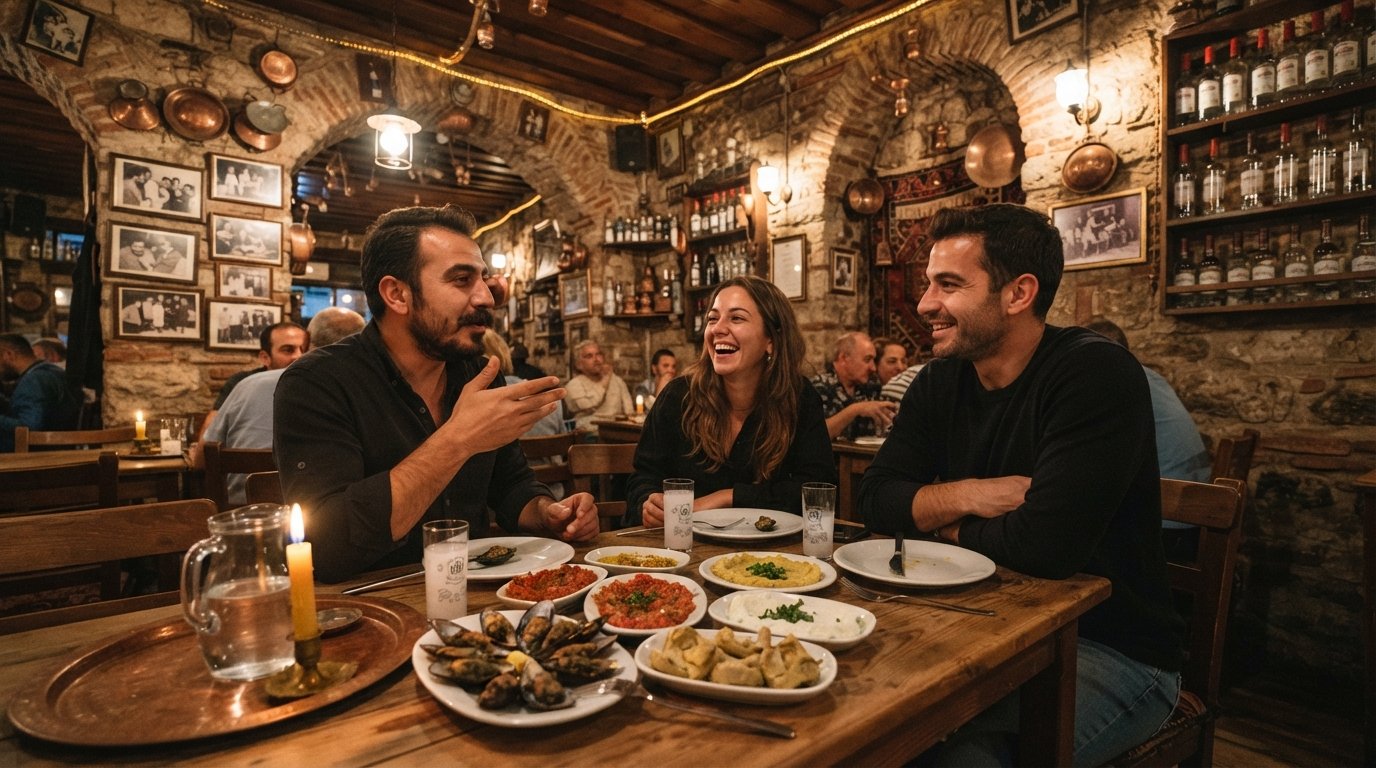
The one real destination for an evening is Agora Meyhanesi 1890, a Greek tavern first opened in the old Çıfıt bazaar by a captain named Asteri and reopened in 2014 after a long preservation fight. It runs the full meyhane ritual — dozens of cold and hot meze, seasonal seafood, rakı poured all night, often live music — inside walls that genuinely date back centuries. Book ahead because it fills, and be aware there is a couvert and service charge and the covered section can get smoky. None of that is a deal-breaker if you know what you are walking into. If anything, it confirms the place has not been sanded down into a theme-restaurant version of itself.
After that, the city’s late-night energy is elsewhere. For cocktails, live jazz and dancing, you are better crossing to Karaköy, Galata or Beyoğlu, all a short taxi or ferry-plus-walk away. Fener and Balat keep their evening cards close to their chest.
This is a walking neighbourhood, and the walk is the attraction. Start uphill at the Church of St George, the modest-looking cathedral inside the Ecumenical Patriarchate compound in Fener — free to enter, open roughly 8am–4:30pm daily after a quick bag check, with a mother-of-pearl pulpit and ancient icons, and the seat of the spiritual head of some 300 million Orthodox Christians. It is not a grand theatrical church from the outside. That is part of the pleasure. The room inside does the work, and the work is old.
A short walk away, the Phanar Greek Orthodox College rises like a brick warning. The red-brick “Red School,” finished in 1883, is castle-like on the skyline and still teaching a tiny student body. Viewed from outside, it has the stern confidence of a building that knows it has outlasted several empires and most of the people who take selfies in front of it.
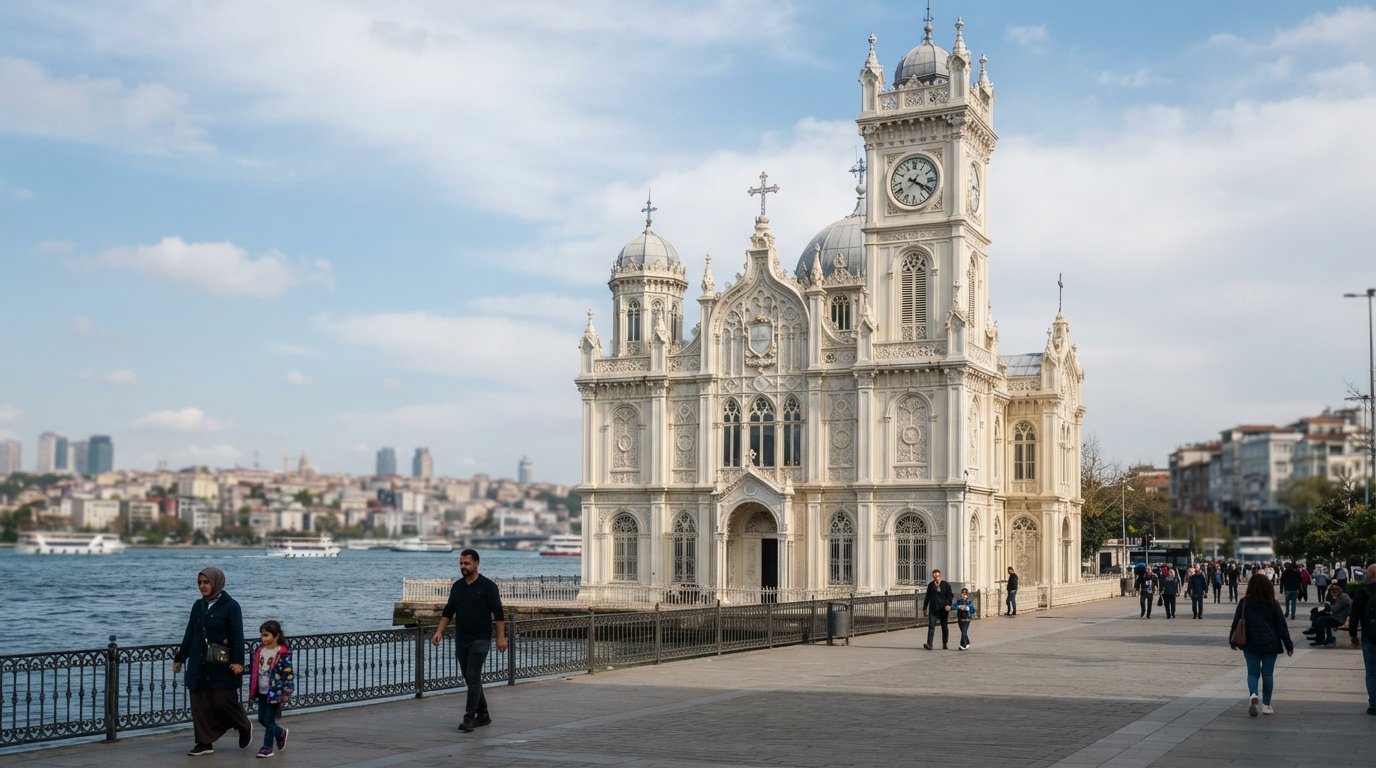
Down by the water in Balat stands the Bulgarian Church of St Stephen, an entire neo-Gothic church prefabricated in cast iron and shipped in around 1898 — free to visit and quietly astonishing up close. It looks almost improbable when you first see it, as though someone assembled a cathedral from a Victorian engineer’s fever dream and then parked it on the Golden Horn shore. The material is the message here: iron, imported, assembled, left to weather in public.
For the neighbourhood’s Jewish past, the 15th-century Ahrida Synagogue with its ship-shaped wooden bimah can be seen on tours arranged in advance through the Chief Rabbinate. That boat-shaped pulpit is one of those details that stays with you longer than any brochure language. It is a reminder that the quarter’s history was built by people who arrived, stayed, adapted and left traces in wood and stone.
Then simply wander. The colourful houses of Kiremit Caddesi and Merdivenli Yokuş, the street art and painted stairs along Yıldırım and Vodina Caddesi, and the quirky, umbrella-and-VW-Beetle courtyard of the Dimitrie Cantemir Museum, once home to the Moldavian prince who wrote down Ottoman court music. The museum-café has the sort of courtyard that makes photographers lose all self-control, but the point is not just the umbrellas. It is the overlap of histories: a prince, a neighbourhood, a lane that now belongs to a different century and still remembers several others.
Go mid-morning on a weekday for the best light and the fewest elbows. That is not aesthetic snobbery; it is basic survival.
Phanar Greek Orthodox College
Church of St. George
Kiremit Street colorful houses
Balat is Istanbul’s best neighbourhood for slow, second-hand browsing. The historic core is the Çıfıt Bazaar along Leblebiciler Sokak — “Roasted Chickpea Sellers’ Street” — a market laid out by Jewish settlers in the early 1500s whose storefronts have barely changed in decades. That matters. A lot of Istanbul is excellent at repackaging itself. This street still looks as though it would rather be left alone.
From there, Vodina Caddesi and parallel Yıldırım Caddesi string together antique dealers, art galleries and vintage-clothing shops. Kulis Vintage on Vodina stands out for actually being organised — a light, airy space with well-made Turkish leather pieces, silk scarves and costume jewellery rather than a rummage pile. That may sound like faint praise, but in a district where “vintage” can sometimes mean “someone’s basement cleared out before lunch,” order is a luxury.
For curios, keep an eye out for dealers selling religious antiques, retro radios and mismatched glassware, and for Sevda Gazozcusu, a green-fronted specialist stocking scores of old-fashioned gazoz regional fizzy pop varieties. It is the kind of shop that rewards curiosity and punishes haste. Weekday mornings are calmest for haggling; carry cash, since many of the smaller stalls prefer it.
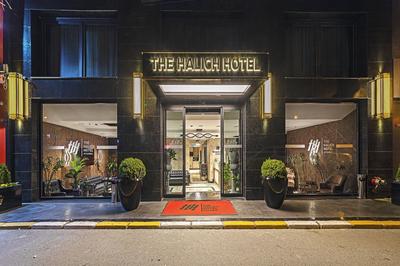
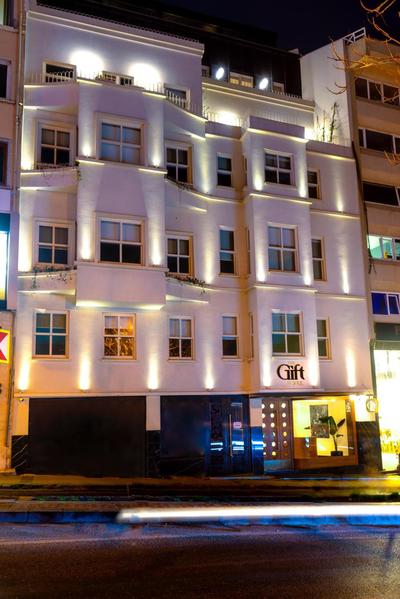
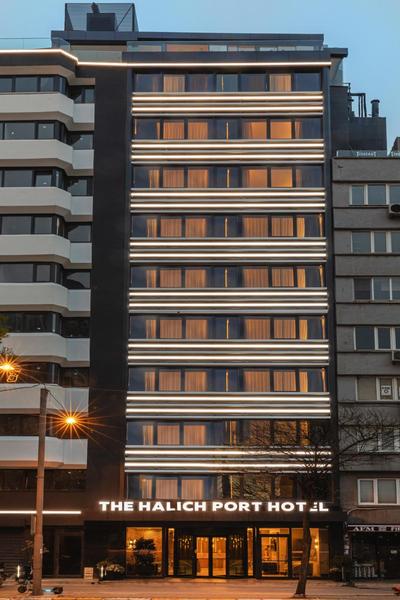
Accommodation here is mostly guesthouses, boutique conversions and apartment rentals rather than big hotels — part of the appeal, but plan around the hills. The flatter, easier base is close to the Golden Horn waterfront and the T5 tram line through Balat and Fener, which keeps you near the cafés, the Iron Church and quick transport to Eminönü. Staying higher up towards Kiremit Caddesi and the Red School buys you the prettiest streets and the best morning light, at the cost of hauling luggage up steep cobbles. Prices are still noticeably gentler than Sultanahmet or Beyoğlu, though they have climbed fast with the neighbourhood’s popularity. Choose Fener–Balat if you want a residential, camera-ready, café-led stay and do not mind that the marquee monuments are a tram or taxi ride away.
Our best-rated stays in this neighbourhood. Prices are approximate “from” rates — confirmed at the provider when you continue. We may earn a commission if you book through our partners — at no extra cost to you.
The simplest arrival is the T5 tram — the Eminönü–Alibeyköy Golden Horn line — which has dedicated Fener and Balat stops right along the shore; tap an Istanbulkart and you are a few minutes from Eminönü and the old-city tram network. From Sultanahmet, ride the T1 tram to Eminönü and change to the T5. From Taksim, take the funicular to Kabataş, the T1 to Eminönü, then the T5. It is all very manageable, which is useful because the quarter itself is not.
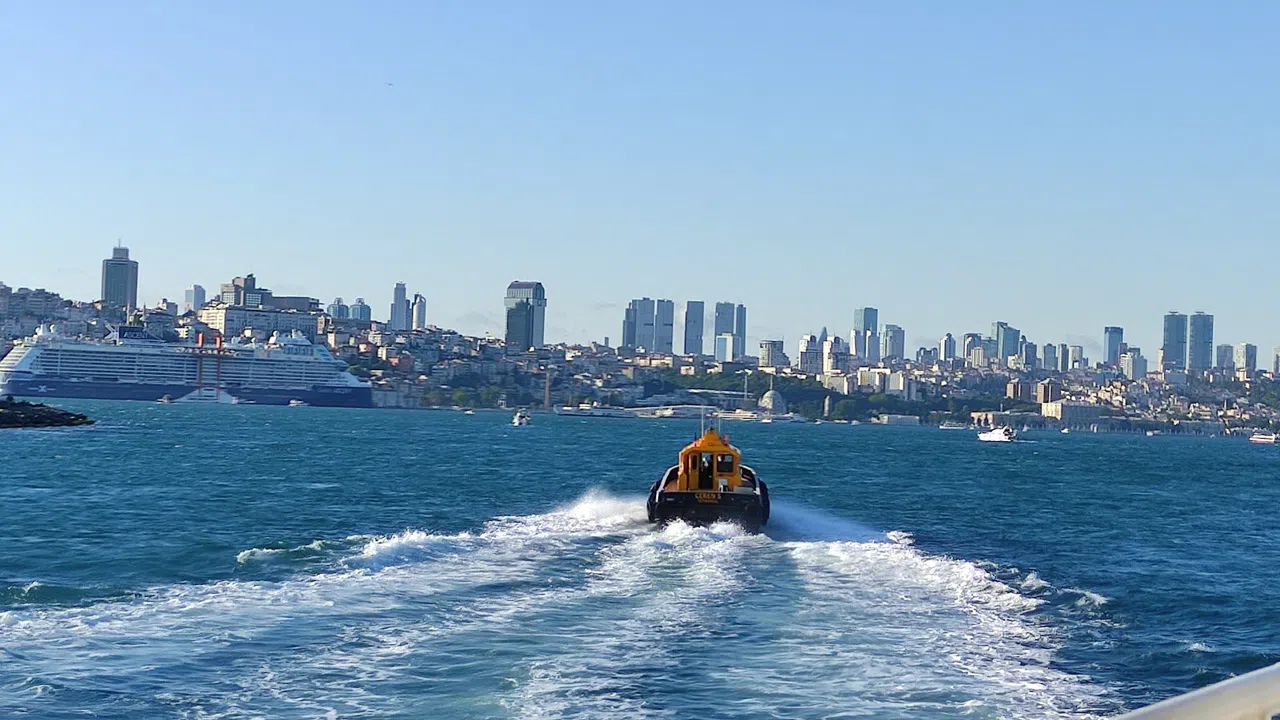
The scenic alternative is the Haliç (Golden Horn) ferry, which stops at Fener and Balat piers and turns the trip into a short cruise — roughly half-hourly, journey time about 30–35 minutes end to end. It is one of those Istanbul moves that makes the city feel properly maritime rather than merely traffic-clogged.
Within the quarter, walking is the only real option and it is a workout: the streets are steep, cobbled and stepped, so wear proper shoes and budget extra time. Taxis can reach the waterfront edge but struggle on the tightest lanes. Central Istanbul is 15–20 minutes away; Istanbul Airport (IST) is about an hour by car or taxi.
If you come to Fener & Balat with the right expectations — no nightlife fantasies, no desire to be anywhere fast, no urge to use residents as set dressing — it gives back generously. Not with polish, exactly. With layers. And in Istanbul, layers are usually the better souvenir.
Gallery
Yes, if you want a colourful, residential, café-and-antiques neighbourhood rather than a base beside the big monuments. Accommodation is mostly guesthouses and apartments, prices are gentler than Sultanahmet, and the T5 tram and Golden Horn ferry get you into the centre in about 15–20 minutes. The trade-off is the steep cobbled hills and the fact that Hagia Sophia and the Grand Bazaar are a tram or taxi ride away.
Weekday mornings, ideally before about 10am. The tram brings waves of visitors through the day, and Saturday afternoons in particular turn the famous streets into a slow shuffle. Early light is also best for the painted houses of Kiremit Caddesi and the rainbow steps. Spring and autumn are the most comfortable seasons; midsummer is hot on the shadeless slopes.
Yes. Few Istanbul neighbourhoods pack so much into one hillside walk: the Orthodox Patriarchate and its castle-like Greek school, a cast-iron Bulgarian church, an old Sephardic synagogue, painted terraces, third-wave coffee and a 1947 köfte house. It is touristy and mid-gentrification, so go early, spend in the old shops, and keep your camera off residents’ doorways.
Photography, historic sites, antique browsing and daytime café culture. It is a neighbourhood for slow wandering rather than big nights out.