The Istanbul issue
Five Centuries of Steam and Small Talk in Istanbul's Hamams
Which of Istanbul's working bathhouses are worth booking, and what happens to you once you are on the hot stone. In some the ritual is still a social event rather than a spa treatment.

By Thijs MolenaarIstanbul on foot, hill by hill
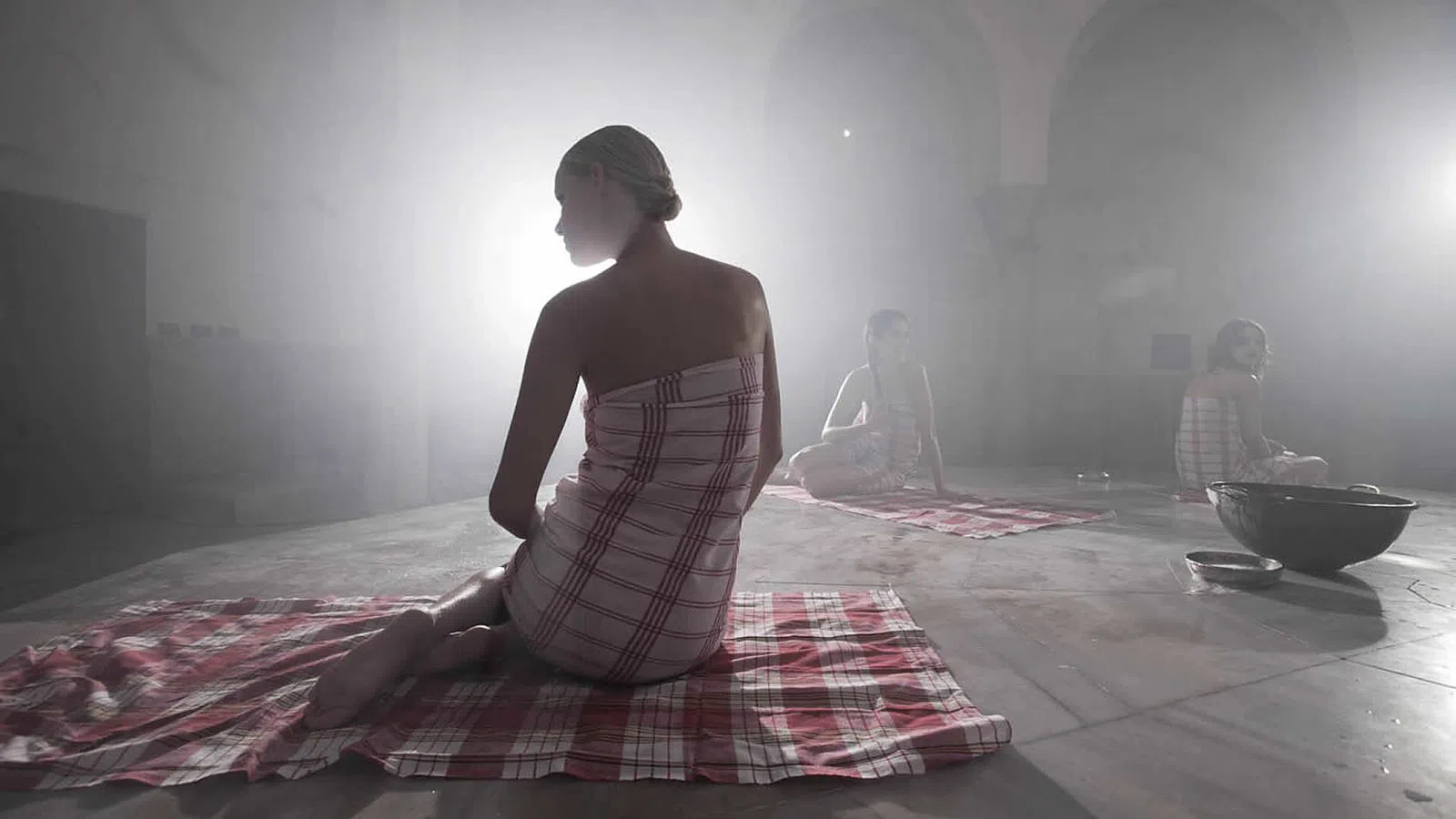
The street door is a low stone arch with a tram grinding past it, and two metres inside the noise stops dead. What replaces it is water hitting marble, the slap of a soapy mitt, and somebody's uncle holding forth about a football result, which, allowing for the football, is roughly the soundtrack this room has carried since 1584. Istanbul's hamams were never built as spas. They were the district's front room, its news service and its wedding venue, and about a dozen of them still work that way if you know which door to open.
What actually happens once you hand over your shoes
The sequence is the same whether the dome over your head went up in 1475 or in 2023, and it helps to know it before you are standing in a marble room in a towel.
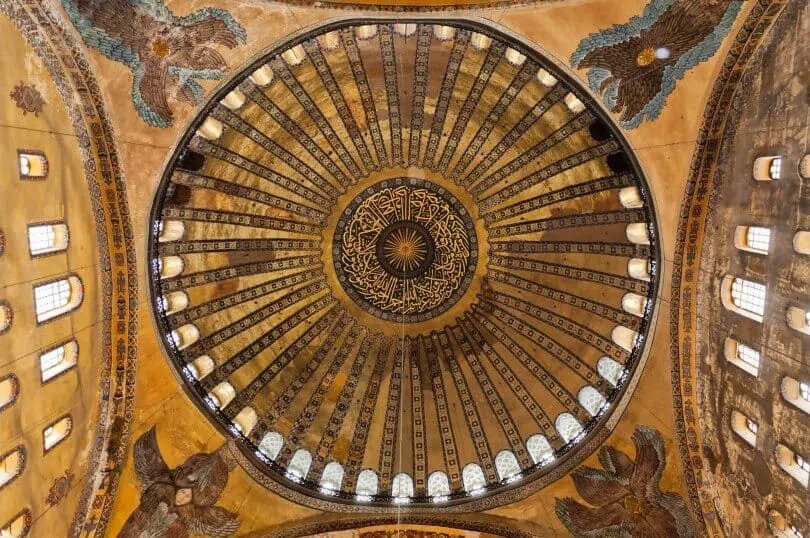
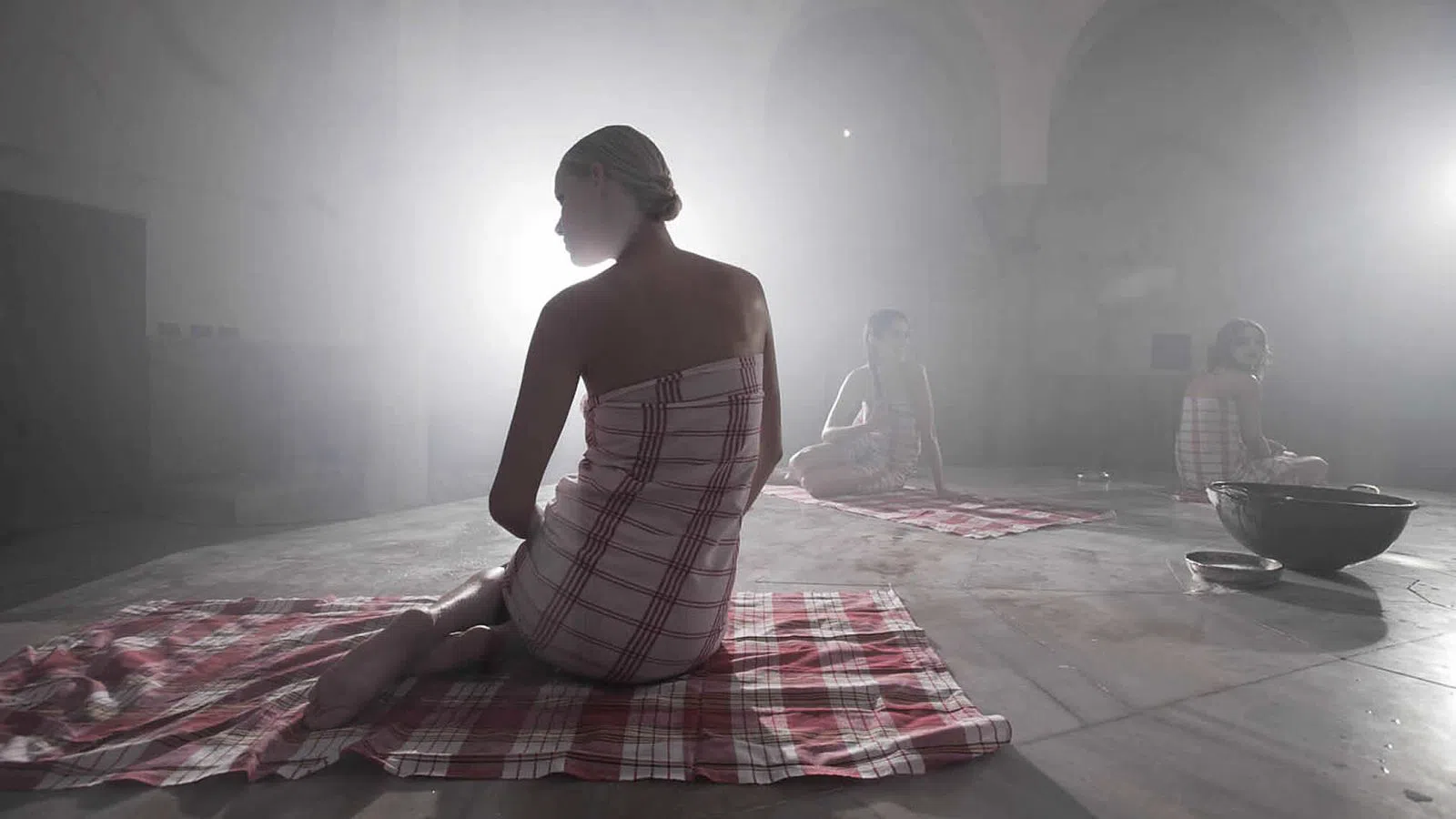
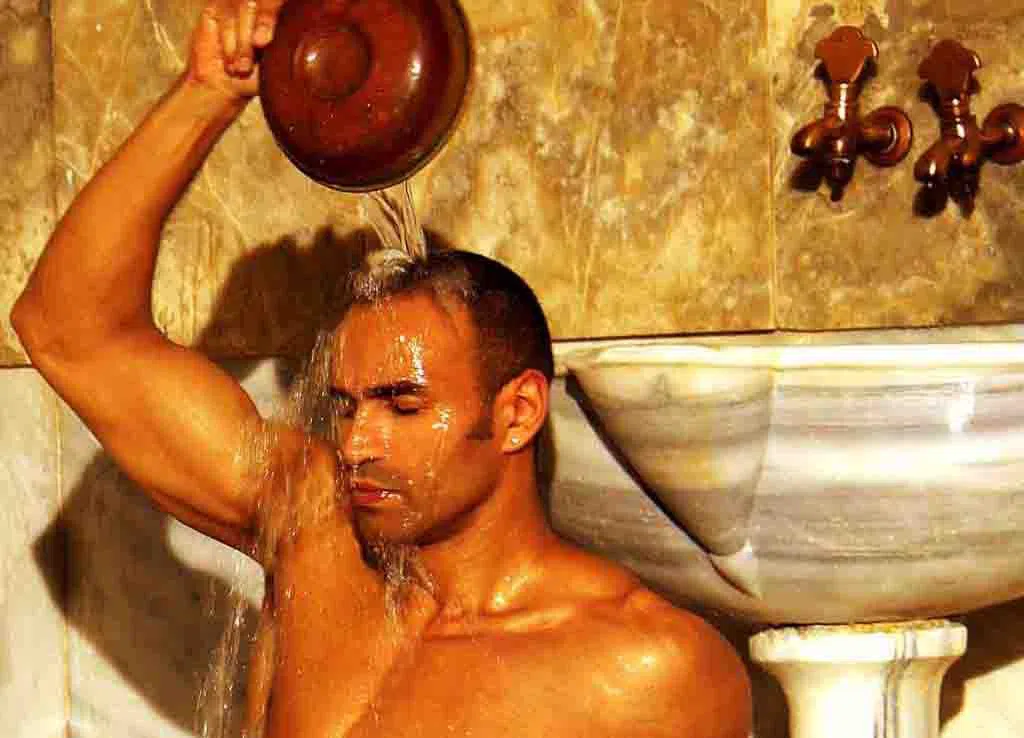
You undress in the soyunmalık, the tall changing hall inside the front door, and lock your things in a wooden cubicle. You are handed a peştemal (a thin checked cotton wrap) and wooden clogs called nalın, which are lethal on wet marble. Through a cool passage you reach the sıcaklık, the hot room: a dome pierced with small glass eyes, a raised marble platform in the middle called the göbektaşı, heated by the furnace underneath, and stone basins around the walls with a copper bowl at each.
You lie on that hot stone and do nothing for fifteen or twenty minutes. That is half the point, not a warm-up. The heat opens the skin so the scrub works, and it is also the stretch of time in which, for five centuries, everything got discussed. Then an attendant (a tellak for men, a natır for women) works you over with a kese, a coarse mitt, and grey rolls of skin come off you in a way that is alarming the first time. A foam wash follows, whipped out of a soaped cotton pillowcase, then bowl after bowl of water poured over your head from the basin. Cold room, tea, and as long as you want sitting still.
The things people get wrong: men keep underwear or the peştemal on throughout; in a women's section most women bathe in bikini bottoms or underwear, and going topless is normal but never expected. Do not shave that morning, the kese will find it. Attendants are tipped in cash, around 10-15%, handed over directly. And the scrub is meant to be firm. If you want it gentler, say yavaş and mean it.
Plan your Istanbul trip
Live prices from our booking partners.
Free cancellation on many rooms. We may earn a commission when you book.
Where to go if you have never done this
Start somewhere that handles first-timers without making a performance of it. Çemberlitaş Hamamı (Çemberlitaş, a minute from the tram stop of the same name) is the default first hamam for good reason: a genuine 1584 double bath by the architect Sinan, with men's and women's wings running in parallel, so a mixed group of friends can go at the same hour and meet in the street afterwards. It is open from 06:00 to midnight, which makes it the easiest hamam in the city to fit around a day of sightseeing. Prices run from ₺320 for self-service (the room, the peştemal and a bowl, and you wash yourself) up to ₺520 with a scrub and an oil massage, roughly €57-92. It takes organised groups and bride parties; call or send a WhatsApp message ahead for a group slot rather than turning up eleven-strong.
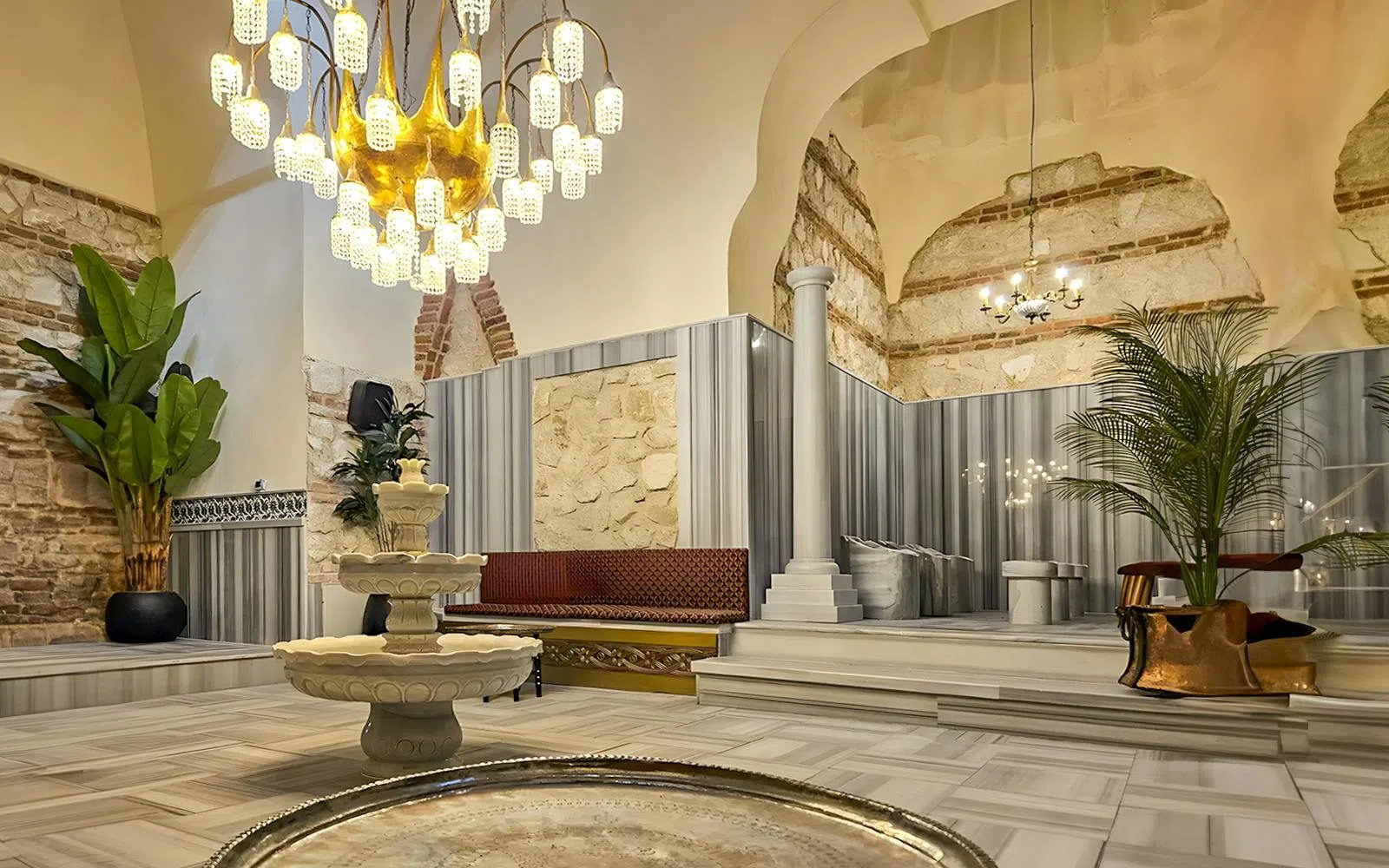
For better value and fewer visitors per square metre, Gedikpaşa Hamamı (Gedikpaşa, just below the Grand Bazaar) is the pick. Built in 1475 for Gedik Ahmed Paşa, it is one of the oldest working baths in the city and has the largest dome of any on this list. Men's and women's sections operate at once with same-gender attendants, there is a privacy add-on if you want the room to yourself for part of it, and it is open 09:00 to 23:00. A scrub and foam wash lands around €30-60, half what the showpiece baths a few hundred metres uphill charge, in a building that is two centuries older than most of them.
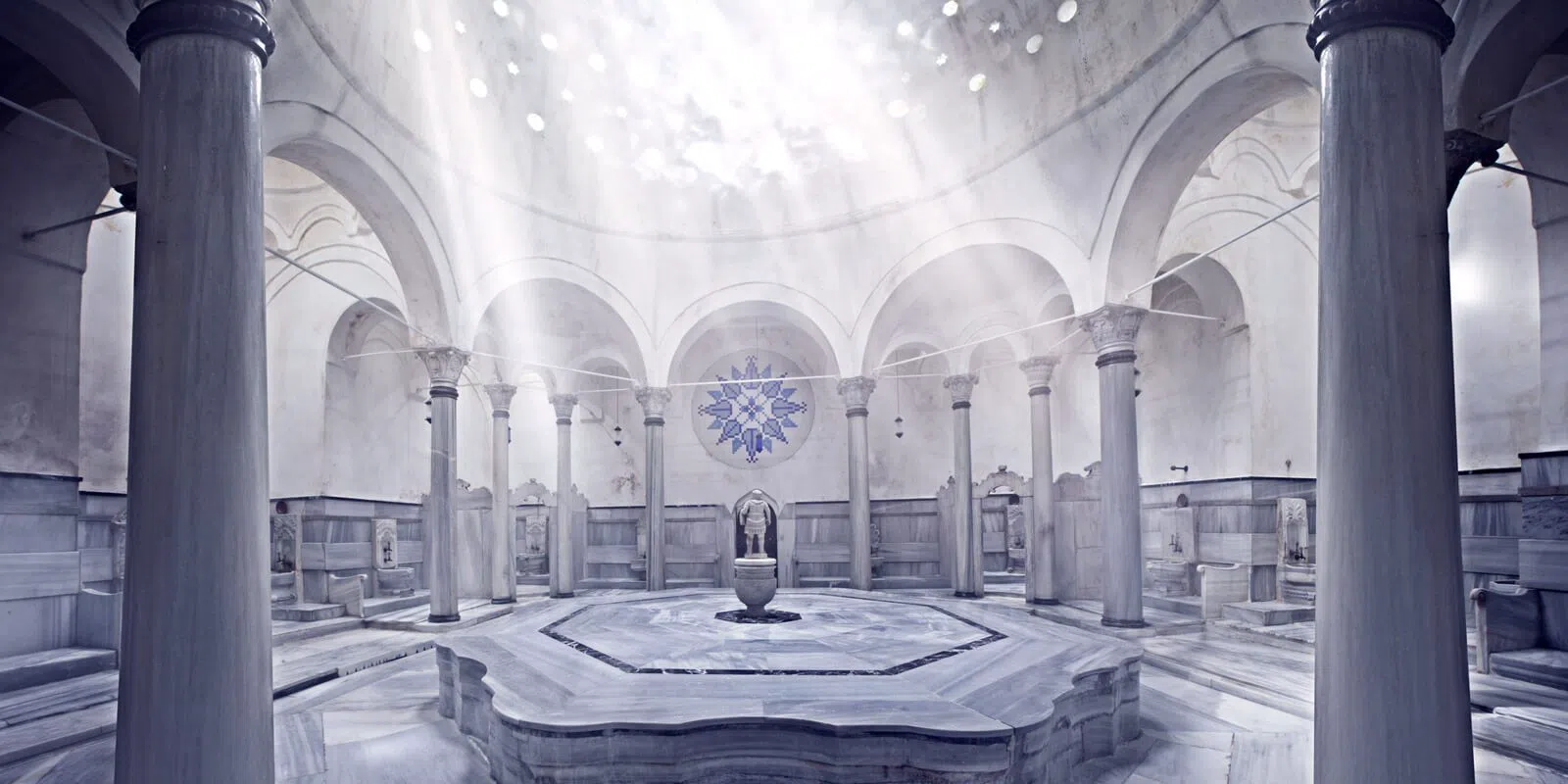
Cağaloğlu Hamamı (Cağaloğlu, a short walk down from the Blue Mosque) is the last great bathhouse built under Ottoman rule, finished in 1741, and it has the most photogenic hot room in Istanbul. Florence Nightingale passed through it, so did Atatürk and a long line of film stars, and the entry fee reflects that: from €95 for the entry-level ritual to €400 for the top package. Book the mid-tier one. The €400 version buys you longer and more oil, not a better building, and the building is what you came for. The on-site restaurant, Lokanta 1741, makes this the one bath on the list that works as a half-day group outing rather than a ninety-minute errand.
The baths where the architecture is the reason to go
Istanbul has spent the last fifteen years pulling its finest hamams apart and putting them back together, and two of those restorations are worth planning a day around.
Kılıç Ali Paşa Hamamı (Tophane, on the tram line between Karaköy and the old city) is Sinan's bath of 1578-83 for the admiral Kılıç Ali Paşa, reopened after a seven-year restoration that collected international heritage awards. It is the most architecturally disciplined room in the city, a single vast dome, restrained, beautifully lit, with none of the gilt that creeps into the tourist baths. The trade-off is access. One session runs at a time, entry is strictly timed, and the day is split by gender: women 08:00 to 16:00, men 16:45 to 23:30. Mixed groups cannot go together here, full stop; you split by time of day and compare notes over dinner. Rituals run about ₺1,200-3,500 (€50-150) and sessions are capped, so reserve two to five days ahead.
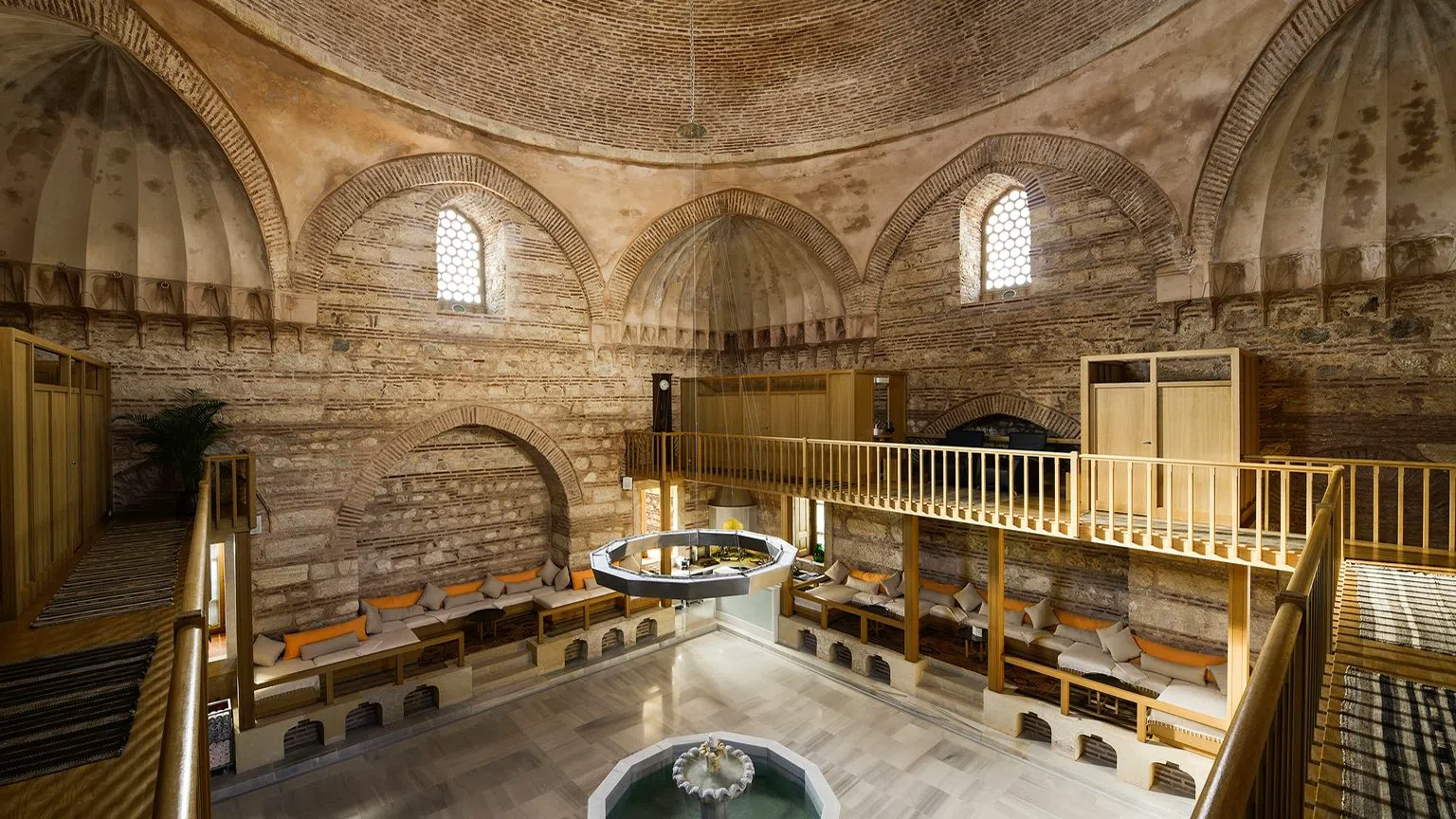
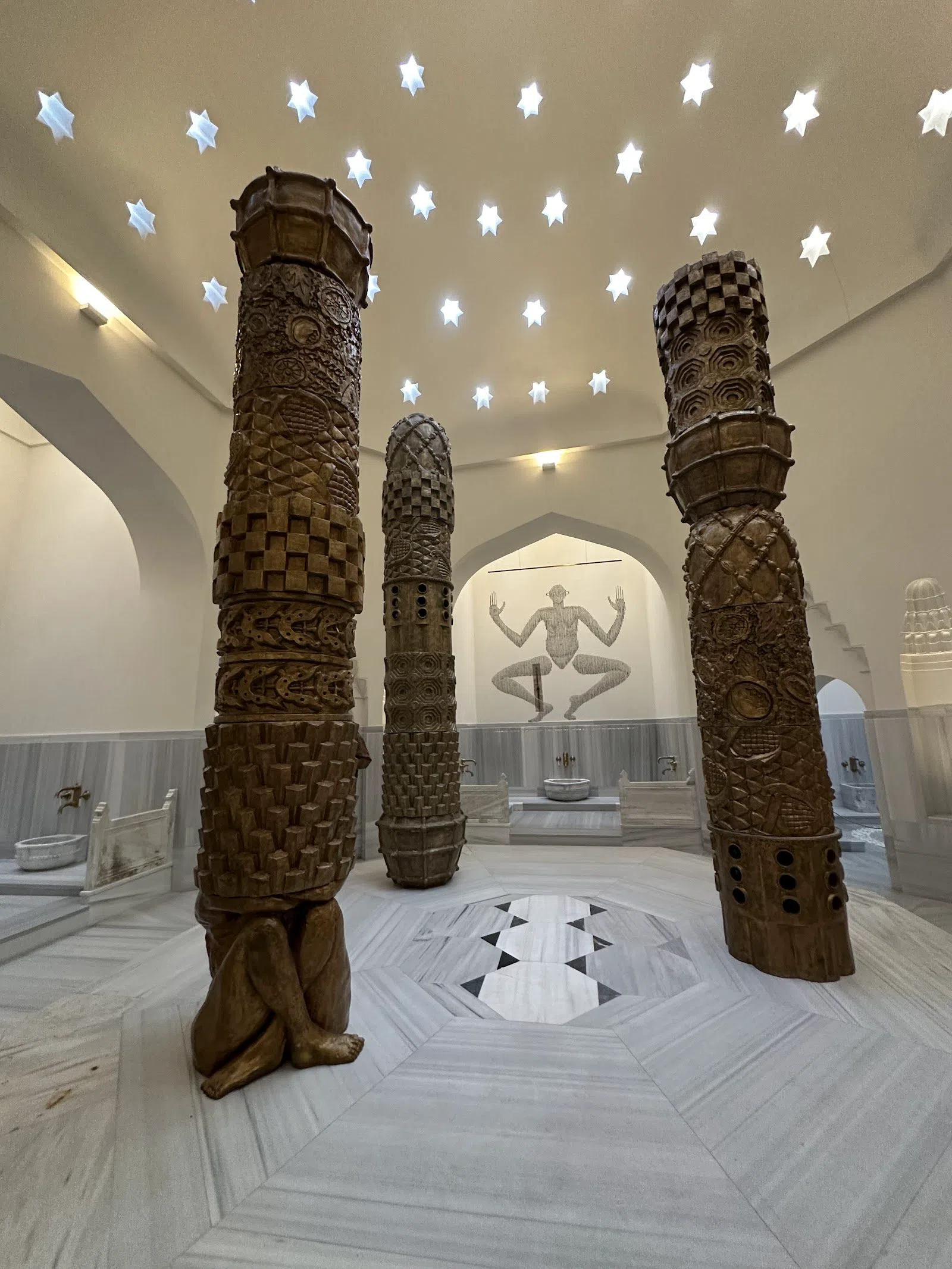
Zeyrek Çinili Hamam (Zeyrek, on the hill above the Golden Horn) was built between 1530 and 1546 for the admiral Barbaros Hayreddin Paşa, closed for thirteen years of restoration, and reopened in 2023; TIME named it one of the World's Greatest Places in 2024. It is the only venue here that explains the ritual and the engineering as well as performing them. There is a museum layer under the bath, free on Thursdays, which is a useful option for a group in which not everyone wants to undress. A standard bathing ritual is about €50-80, extended packages over €100.
Ayasofya Hürrem Sultan Hamamı (Sultanahmet, literally between Hagia Sophia and the Blue Mosque) is Roxelana's own bath, built for the congregation of Hagia Sophia and restored to full operation in 2011. Separate men's and women's wings run simultaneously, couple and group packages are sold, and concierges book it without friction. It is also €95-260 a head and the most polished experience in Istanbul, which is a compliment and a warning: this is the furthest a historic hamam gets from being a neighbourhood bath. Open 07:00 to 24:00 in summer. If your priority is the address and the finish, it delivers exactly that.
Couples, families and groups that want to stay together
The gender split is the thing that catches travellers out. Most hamams are either separate wings or separate hours, and two exceptions matter.
Süleymaniye Hamamı (Süleymaniye, below the mosque) has the rarest policy in the city: men and women bathe together, in the same hot room, for the whole ninety-minute ritual. That makes it the obvious choice for couples and families, and it is a hard rule in both directions, because solo visitors are generally turned away at the door. Reckon on about €85 per person, and note that it is cash only, in euros, dollars or lira. People arrive with a card and no partner and get sent back down the hill; do not be one of them.
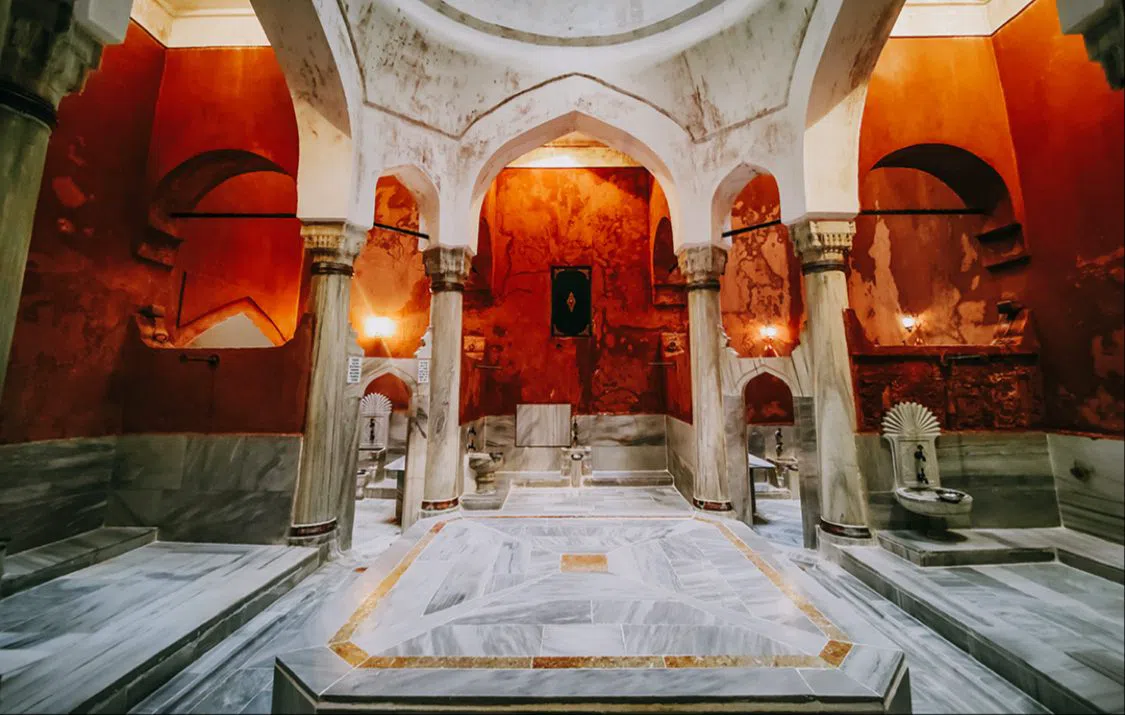
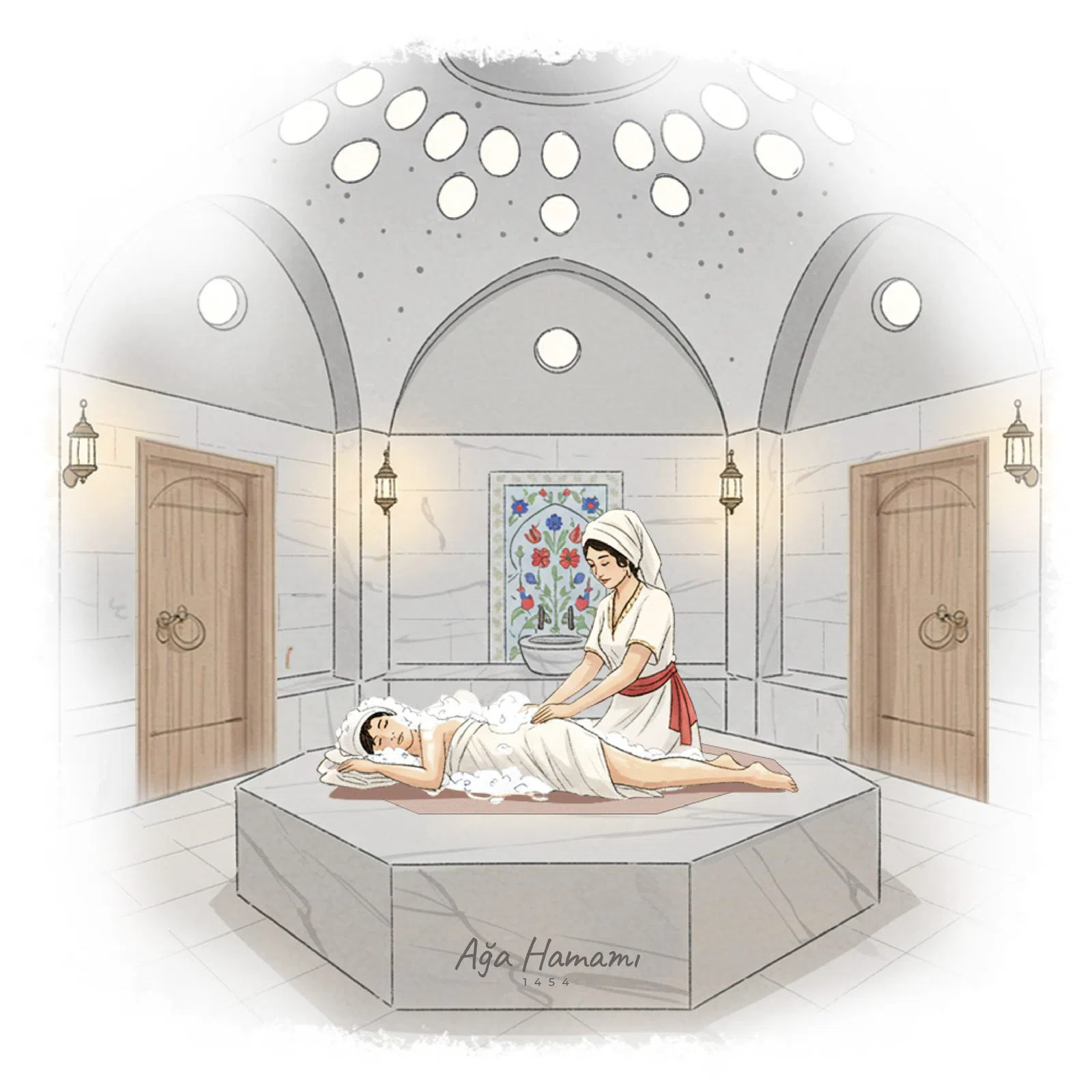
Ağa Hamamı (Beyoğlu, a short walk from Taksim) solves the same problem differently, with private rooms. It claims descent from a 1454 bath built for Mehmed the Conqueror and was rebuilt under Abdülmecid in 1844, and family and private bookings are its speciality: a small group can effectively take the whole space. Packages run ₺3,100 for the traditional ritual to ₺5,700 with massage and a face mask, and cash is cheaper than card. Open 10:00 to 22:00 daily. It is not the grandest room on this list, but if the communal hall is the part you are dreading, this is the answer that still leaves you in a real hamam.
If your group is mixed and you want the historic architecture anyway, Çemberlitaş with its parallel wings is the workable compromise: same building, same hour, different doors.
Bride baths, henna nights and the part visitors rarely see
The hamam's social function has not died out. It has retreated to districts where nobody is selling tickets.
Tarihi Mihrimah Sultan Hamamı (Edirnekapı, out by the land walls) is a Sinan bath built for Süleyman's daughter, restored in 2010, and still principally serving its own district. It is also a known venue for henna nights and bride baths, the pre-wedding party where the bride is washed, fed, sung at and teased by every woman in the family. Standard entry is ₺600, the traditional package ₺900-1,000, the signature one ₺1,600, and it opens 06:30 to 23:00. If you want to understand why these buildings mattered, this is the one to see in use.
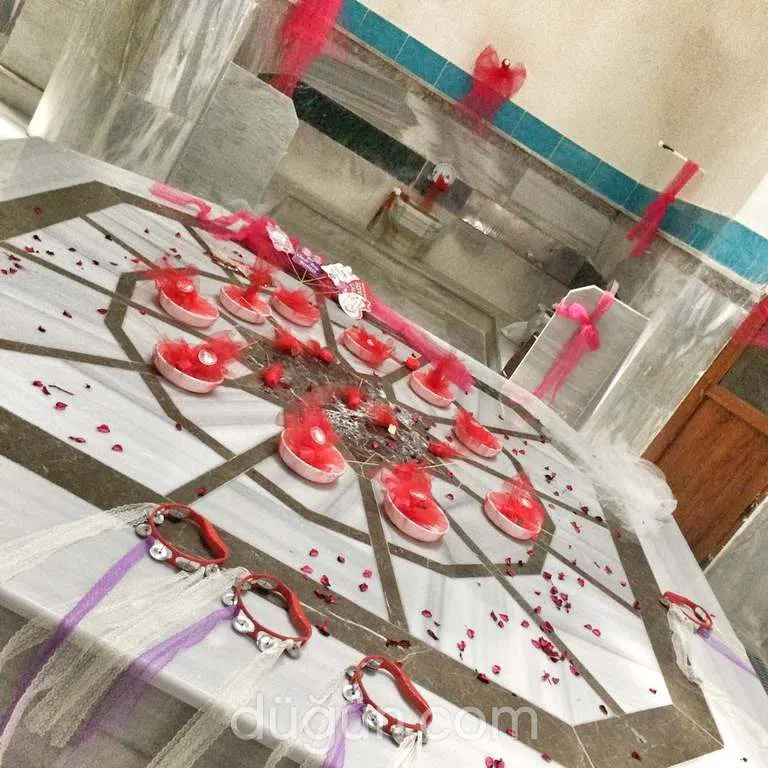
Tarihi Üsküdar Çinili Hamamı (Üsküdar, on the Asian shore) was commissioned by Kösem Sultan in 1640 and is one of very few to keep its original structure and tiles. This is a working neighbourhood bath with no English-language group machinery: men's section 07:00 to 22:00, women's section with its own phone line, local rates well under anything in Sultanahmet, cash. Call ahead, go off-peak, and accept that you are a guest in someone else's routine. It gets crowded in the evenings.
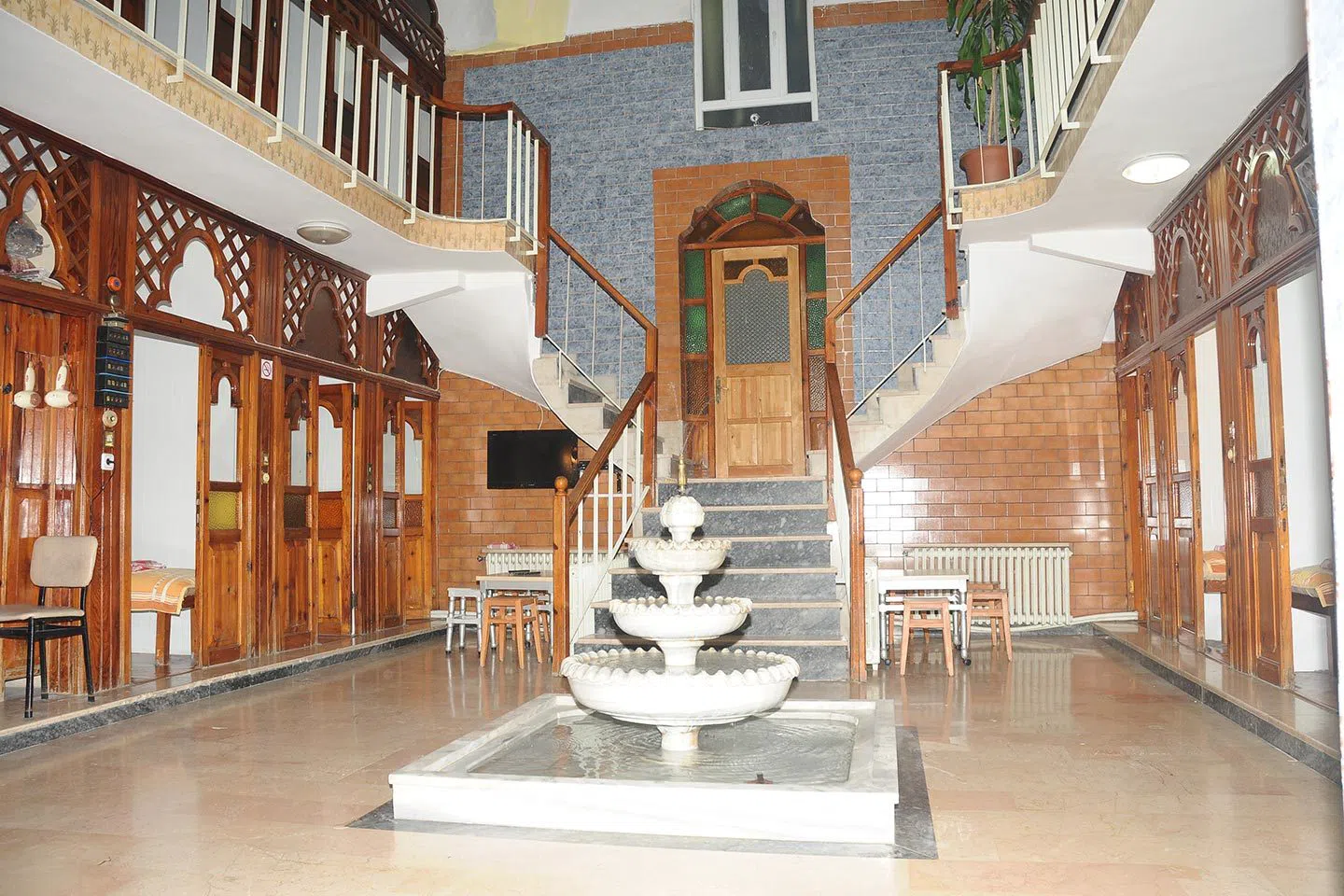
Tarihi Galatasaray Hamamı (Galatasaray, tucked into the old school complex off İstiklal) was founded in 1481 under Beyazıt II and has been running for five centuries, with separate men's and women's sections and a scrub-and-foam bath around ₺2,000. It takes walk-ins, which is rare and useful. Be straight with yourself about why you are going: reviews are split on upkeep, and they are not wrong. Go for the lineage and the atmosphere, not for spa-grade finish.
The hotel end of the spectrum
Three hotel spas do a real hamam ritual rather than a massage with a marble backdrop, and all three take non-resident bookings by appointment, with the caveat that day access can be restricted, so confirm before you build an afternoon around it.
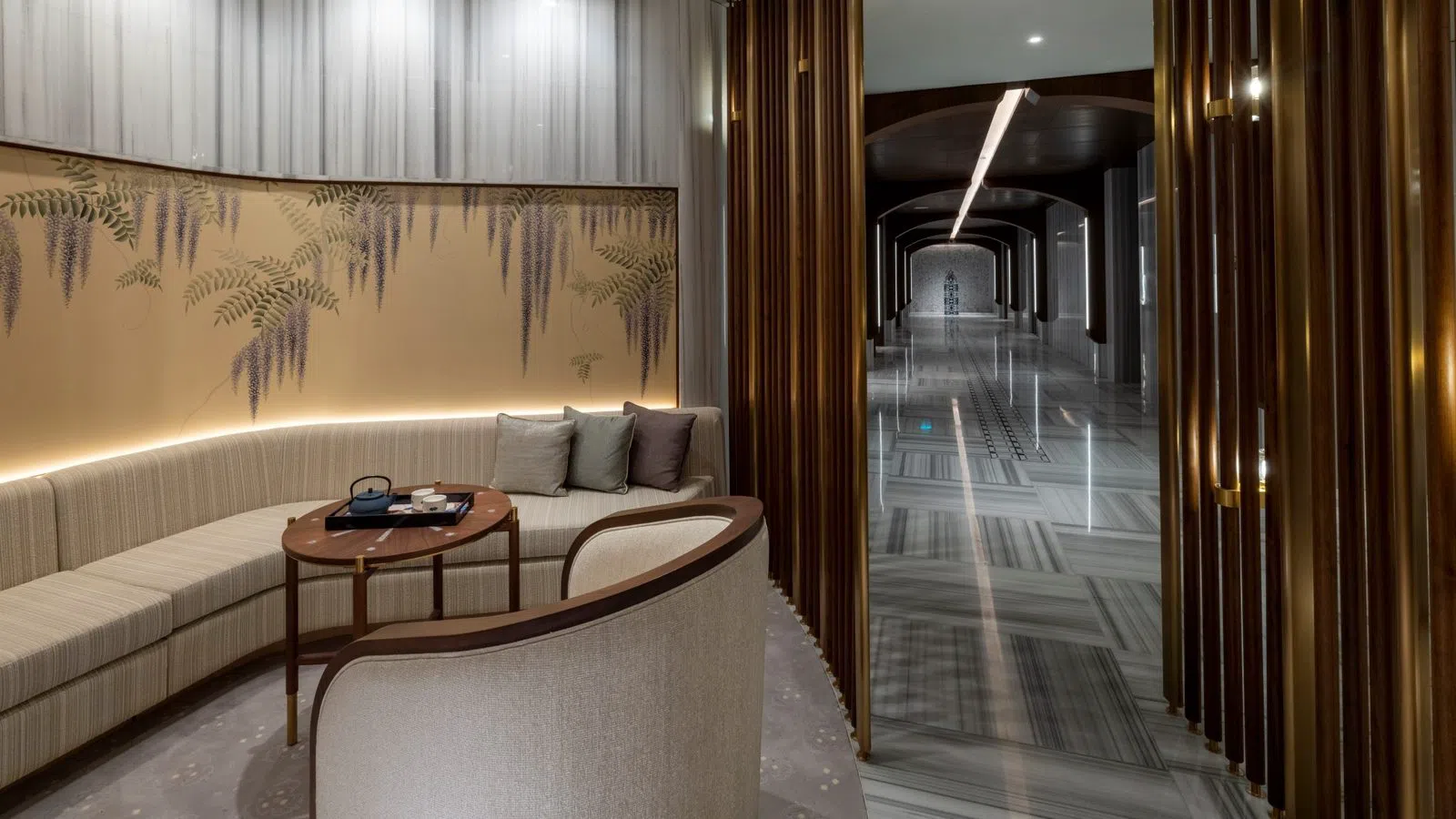
Sanitas Spa at Çırağan Palace Kempinski (Beşiktaş, on the Bosphorus) runs four distinct Turkish bath rituals inside the former imperial palace, from roughly €150 per ritual, and handles couples and small groups. Six Senses Spa at Kocataş Mansions (Sarıyer, upper Bosphorus) has three hamams and two saunas in a century-old stone house, with the rituals run by local hamam masters rather than generic therapists. It is the calmest room here and the furthest from the old city; expect €150+ per treatment. The Peninsula Spa Istanbul (Karaköy, in the converted Galataport passenger terminals) opened in 2023 and is the newest serious hamam in the city, with couples rooms and separate men's and women's baths. It sits five minutes from Kılıç Ali Paşa, which makes comparing the modern and the sixteenth-century versions an interesting hour.
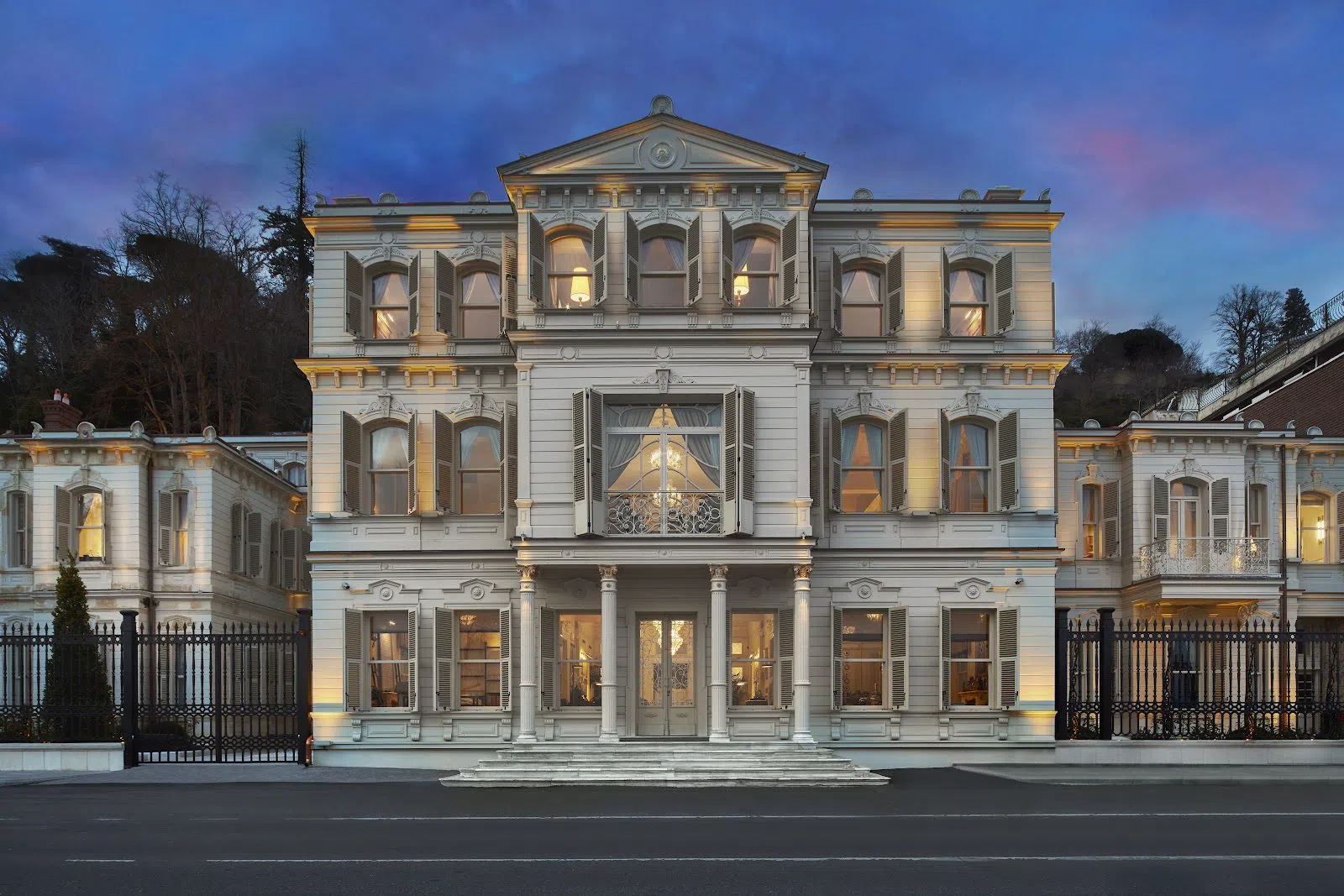
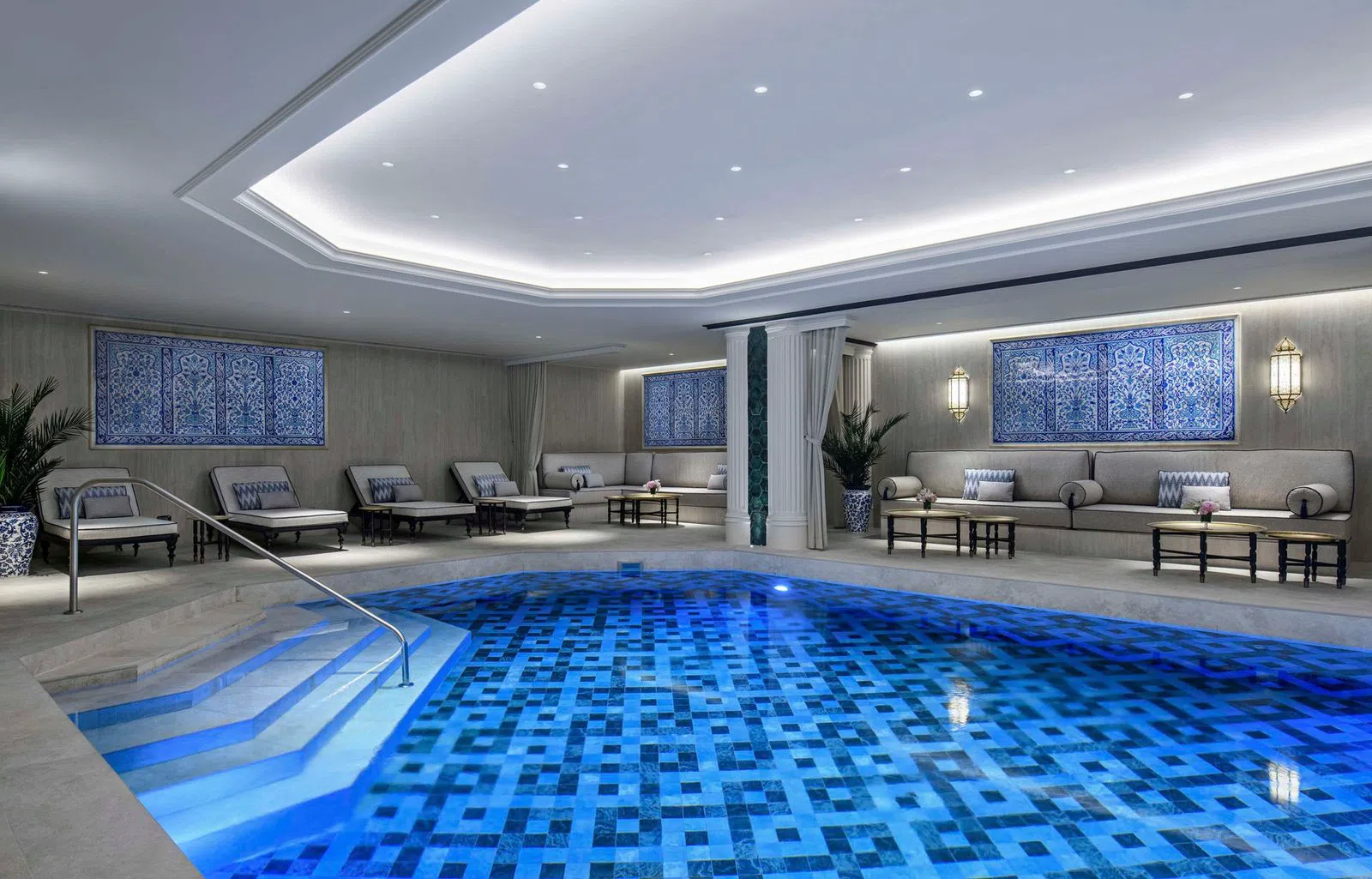
Be clear-eyed about what these buy you. They are the right choice if you want the ceremony without the communal hall, or if a historic bath's plumbing and changing rooms would ruin the day for you. They are the wrong choice if the social ritual is the reason you are interested, because the one thing a hotel hamam cannot supply is other people's grandmothers.
Getting there, paying and timing it
Almost everything in the old city sits on the T1 tram: Çemberlitaş, Sultanahmet and Tophane stops put you within five minutes of six of these baths. Get an İstanbulkart from any machine at a tram or metro station and load it; single-ride tokens cost more and slow you down. For Beyoğlu, the M2 metro serves Taksim and Şişhane. For Üsküdar, take the ferry from Eminönü, Karaköy or Beşiktaş rather than the Marmaray tunnel; it costs the same on the same card and the crossing is twenty minutes of the best view in the city. Edirnekapı is the one awkward destination, a bus or taxi from the tram line, so allow extra time.
Carry cash. Süleymaniye is cash only, the Üsküdar bath is effectively cash only, Ağa Hamamı discounts for cash, and every tip is cash. Tipping the attendant directly is expected everywhere, including the hotel spas.
Book two to five days ahead for Kılıç Ali Paşa and Zeyrek Çinili, and for any hotel spa. Çemberlitaş, Gedikpaşa and Galatasaray take walk-ins, but weekday mornings are quiet and Saturday afternoons are not. Neighbourhood baths fill up in the early evening when people come after work; go at 10:00 if you want space on the göbektaşı. Allow ninety minutes minimum for a full ritual and two hours if you want to sit and drink tea afterwards, which you should.
Budget in three tiers: €30-60 for a neighbourhood or value bath, €50-150 for a restored Sinan bath or a full ritual at Çemberlitaş or Zeyrek, and €95-260 for the Sultanahmet showpieces and the hotel spas. There is no version of this where the most expensive package is the best experience.
Stay on the tram line if hamams are a priority. Sultanahmet, Sirkeci, Karaköy and Tophane all put you within walking distance of several; compare rates on our Istanbul hotel search, and see the full Istanbul guide for what to do with the rest of the day once you are scrubbed, boiled and useless for anything strenuous.
Before you go
What do you wear in an Istanbul hamam?
You collect a peştemal, a thin cotton wrap, and wooden clogs. Men keep underwear or the wrap on throughout. In the women's sections most bathe in bikini bottoms or underwear, and topless is normal without being expected. Bring swimwear if you would rather not think about it, and leave jewellery in the locker.
Can couples go to a hamam together in Istanbul?
Rarely. Süleymaniye Hamamı in Süleymaniye is the main historic bath with mixed-gender bathing, and it takes only couples and families. Solo visitors are turned away, and it is cash only at around €85 per person. Ağa Hamamı near Taksim has private rooms, and the hotel spas sell couples packages. Everywhere else splits by wing or by hour.
How much does a hamam cost in Istanbul in 2026?
Roughly three tiers. Neighbourhood and value baths such as Gedikpaşa charge €30 to €60 for a scrub and foam wash. Restored historic baths like Kılıç Ali Paşa or Zeyrek Çinili run €50 to €150. The Sultanahmet showpieces and hotel spas want €95 to €260 and up. Self-service at Çemberlitaş starts at ₺320. Tips of 10 to 15% in cash are expected on top.
Do you need to book an Istanbul hamam in advance?
For Kılıç Ali Paşa Hamamı and Zeyrek Çinili Hamam, yes. Sessions are capped and timed, so reserve two to five days ahead. Hotel spas need an appointment and may restrict non-resident access, so confirm first. Çemberlitaş, Gedikpaşa and Galatasaray take walk-ins, though any group of more than four should call or message ahead.
Does the kese scrub hurt?
It is firm rather than painful, and it is meant to be: the coarse mitt takes off a visible layer of dead skin after fifteen to twenty minutes on the hot stone. Do not shave that morning, and say yavaş if you want the attendant to ease off. Skin can feel tender for an hour afterwards, which is normal.