Istanbul neighbourhood guide
Cihangir & Çukurcuma, Istanbul: The Hill of Long Breakfasts and Older Furniture
On the slope between Taksim and the Bosphorus, Istanbul's most bohemian corner runs on kaymak, secondhand chandeliers and a novel you can walk into.
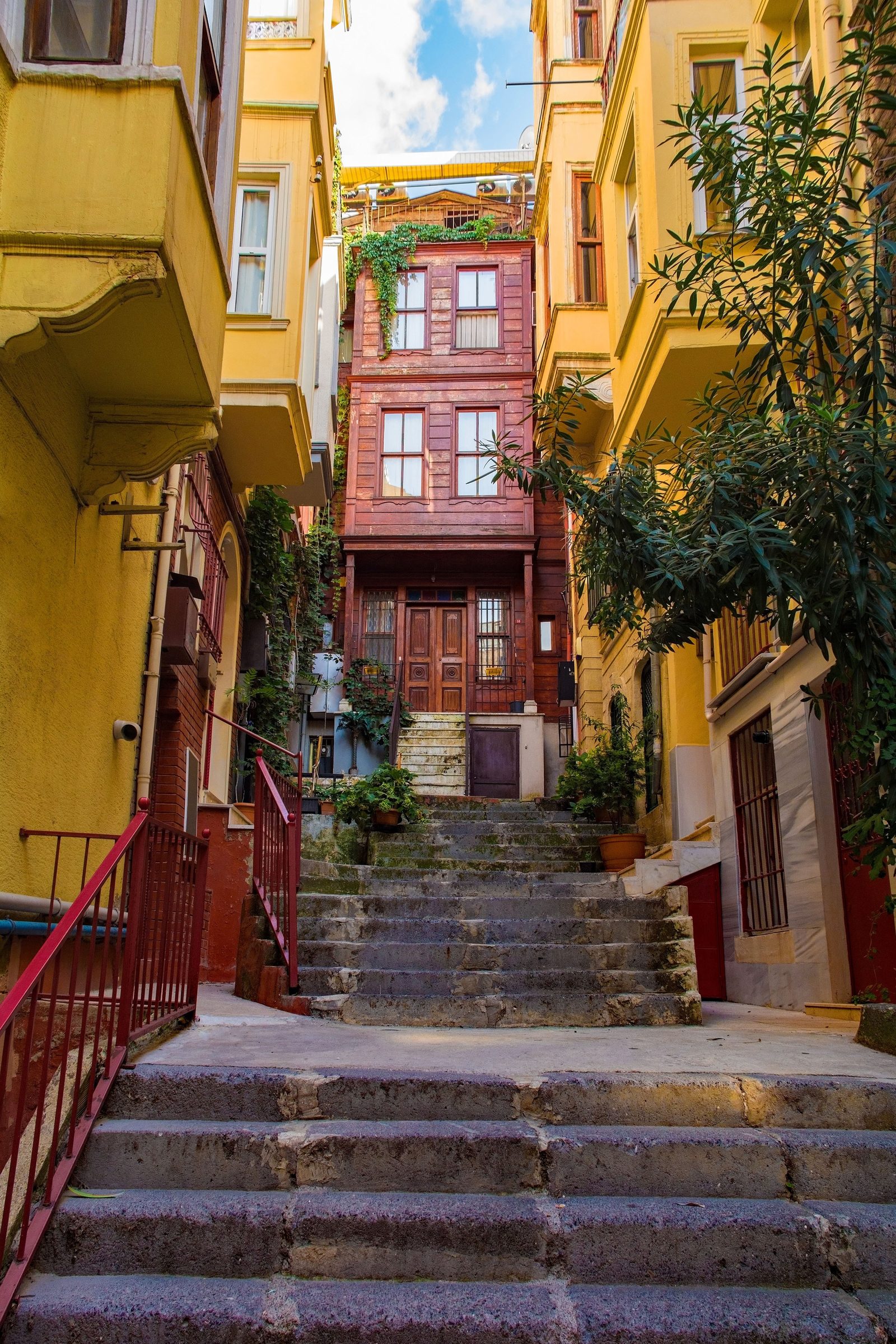
Cihangir is the hill above Beyoğlu where the queue for kahvaltı starts before 10am and nobody in it looks like they have anywhere else to be. Below it, Çukurcuma's antique shops spill Ottoman furniture and old boomboxes onto the pavement, so that walking downhill means stepping around a gilt mirror or a box of 1960s radios someone hasn't got round to pricing. Together they're the closest Istanbul comes to a village that happens to have a skyline — steep, cobbled, opinionated, and largely uninterested in whether you've come.
What Cihangir & Çukurcuma are known for
The reputation here rests on two unglamorous things: breakfast and cats. Cihangir has been Istanbul's bohemian address since the 1980s and 90s, when writers, actors and musicians started buying up the neighbourhood's faded Ottoman-Greek apartment blocks — the kind with high ceilings, peeling shutters and a communal stairwell that smells of someone else's dinner — and a long-settled expat community moved in alongside them. That crowd is still visibly running the place: it shows in the secondhand bookshops, the number of people writing at café tables at 3pm, and the cats, who treat the whole hill as jointly owned property and are fed accordingly by shopkeepers who'd deny it if asked. There's no single high street to orient by. Instead the neighbourhood organises itself around a handful of named streets — Sıraselviler Caddesi cutting down from Taksim, Akarsu Caddesi threading the café cluster, Defterdar Yokuşu dropping toward Çukurcuma — and you learn the place by learning them, not by following a spine.
Where to eat and drink
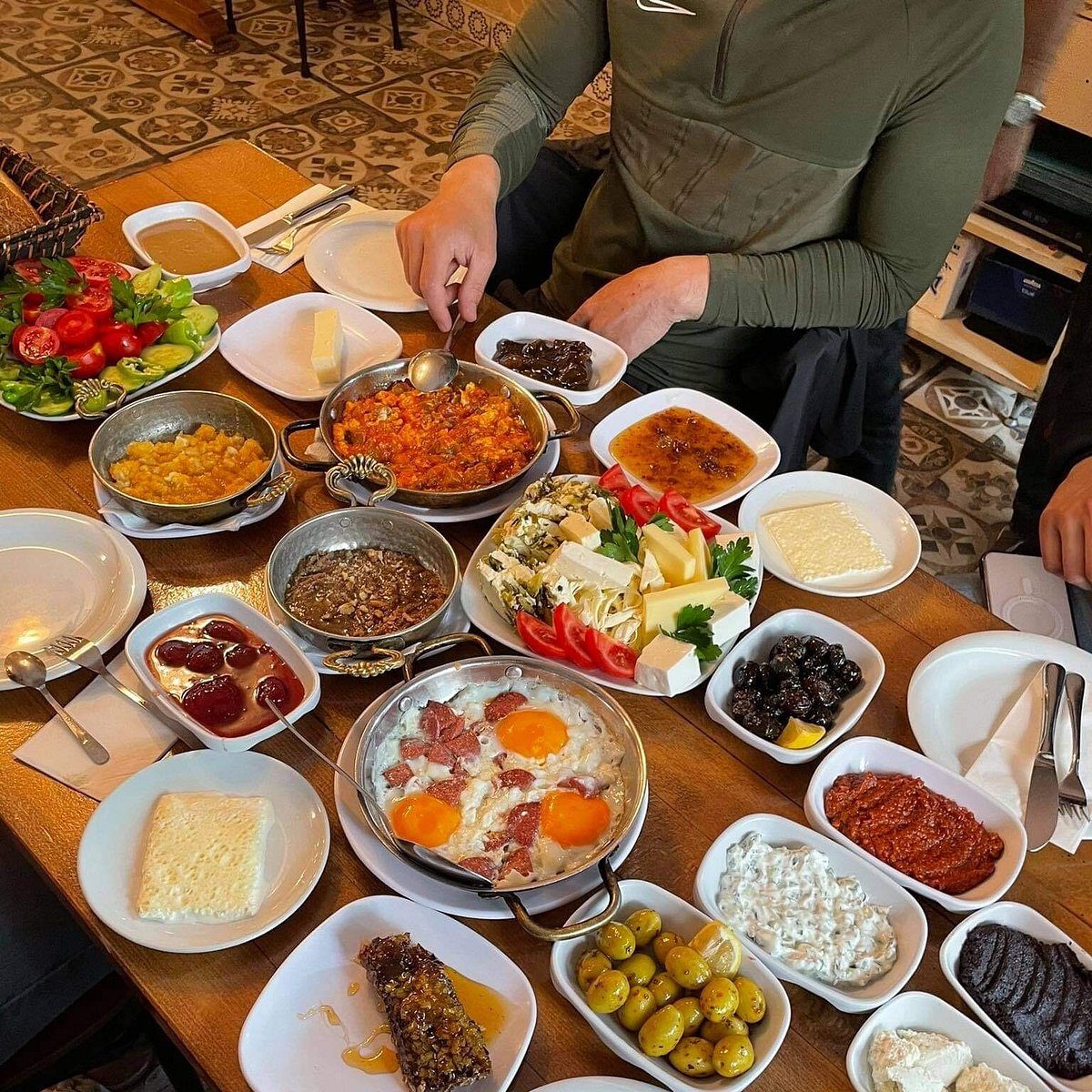
Breakfast is the neighbourhood's signature meal, and Van Kahvaltı Evi on Defterdar Yokuşu is the reason. It's a small, family-run room doing a Lake Van-style spread — honey, kaymak clotted cream, cacık, house jams, eggplant pancakes, kavut, that roasted wheat flour worked with honey and walnuts until it turns into something between a paste and a dessert — and on weekend mornings the queue for it runs out the door and doesn't seem to bother anyone in it. This is not a menu you rush; it's a menu you graze at for two hours while the coffee goes cold and gets replaced.
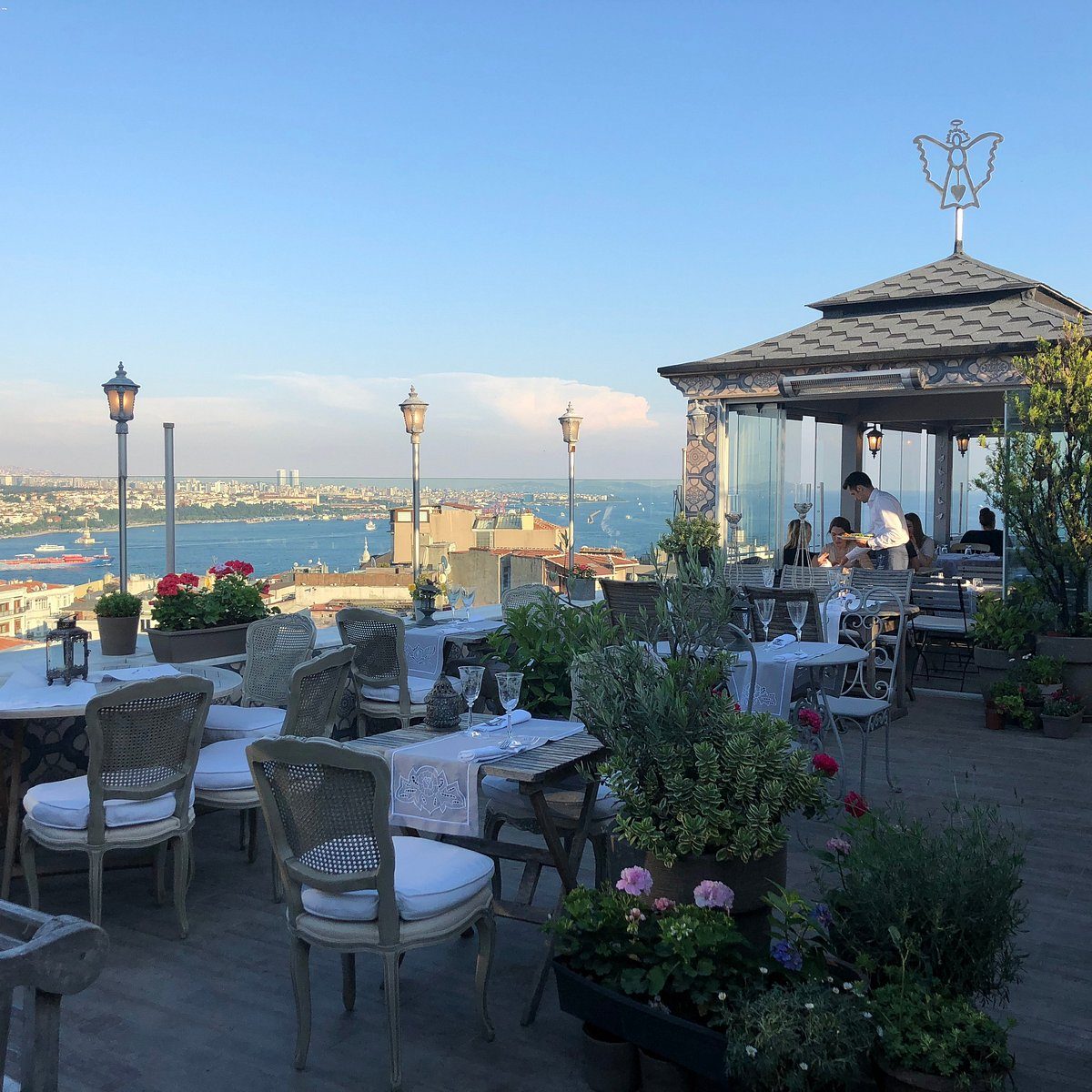
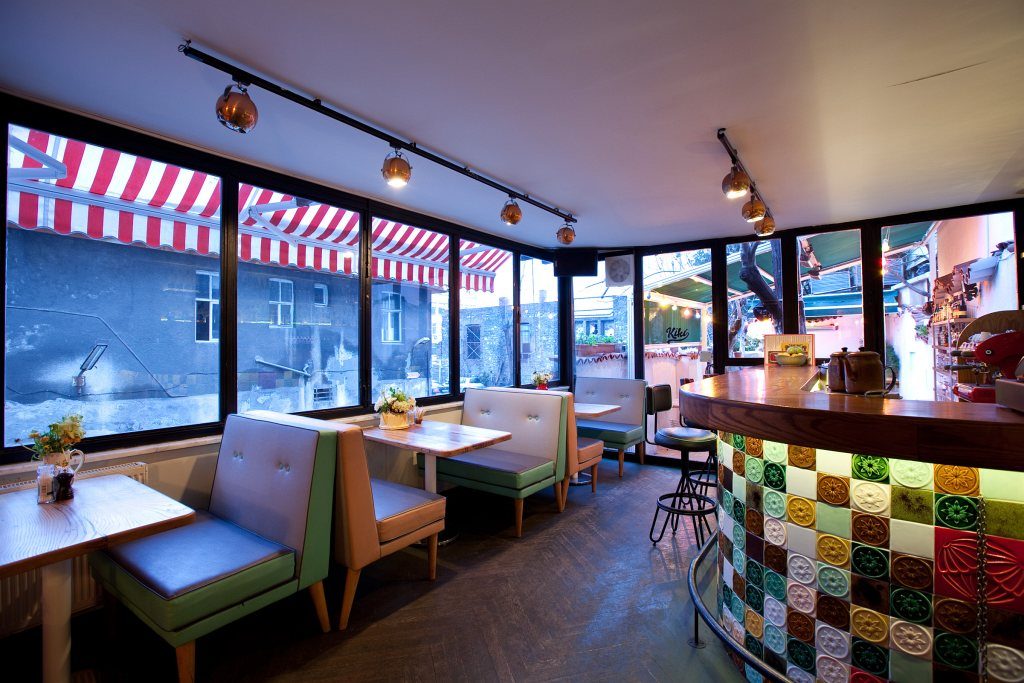
A few minutes' walk away on Akarsu Caddesi, Smyrna does the neighbourhood's other trick — a former antique shop turned retro café, full of the kind of mismatched furniture Çukurcuma dealers would recognise as their own stock, that quietly reclassifies itself as a bar once the sun goes down. Susam, on Susam Sokak, runs the longer shift: open from 10am to 2am for breakfast, salads and whatever you need a coffee or a drink for at whichever hour you've turned up, which makes it the closest thing the area has to a living room with a till. And when the occasion calls for something more composed than a café table, 5. Kat delivers it from its fifth-floor perch, a rooftop restaurant with a sweep of view running from the Bosphorus to Topkapı — Cihangir's answer to the special-dinner problem, and one of the few spots here that trades on a view rather than resisting the idea.
Nightlife
Nobody pretends this is a clubbing neighbourhood, and the local wisdom is upfront about it: if you want Istanbul's big nights out, you go elsewhere in Beyoğlu, or across the water to Kadıköy. What Cihangir does instead is the bar that used to be a café and the café that turns into a bar without much ceremony about the transition. Kiki, on Sıraselviler Caddesi, is the clearest example — a gastro-pub that tips into a dance bar as the night goes on, known for house vodka cocktails and a dancefloor that fills from around 11.30pm. It's a late-shift kind of nightlife, built on regulars rather than a door policy, and it suits a neighbourhood that would rather you stayed for a fourth drink than moved on to somewhere louder.
Things to do
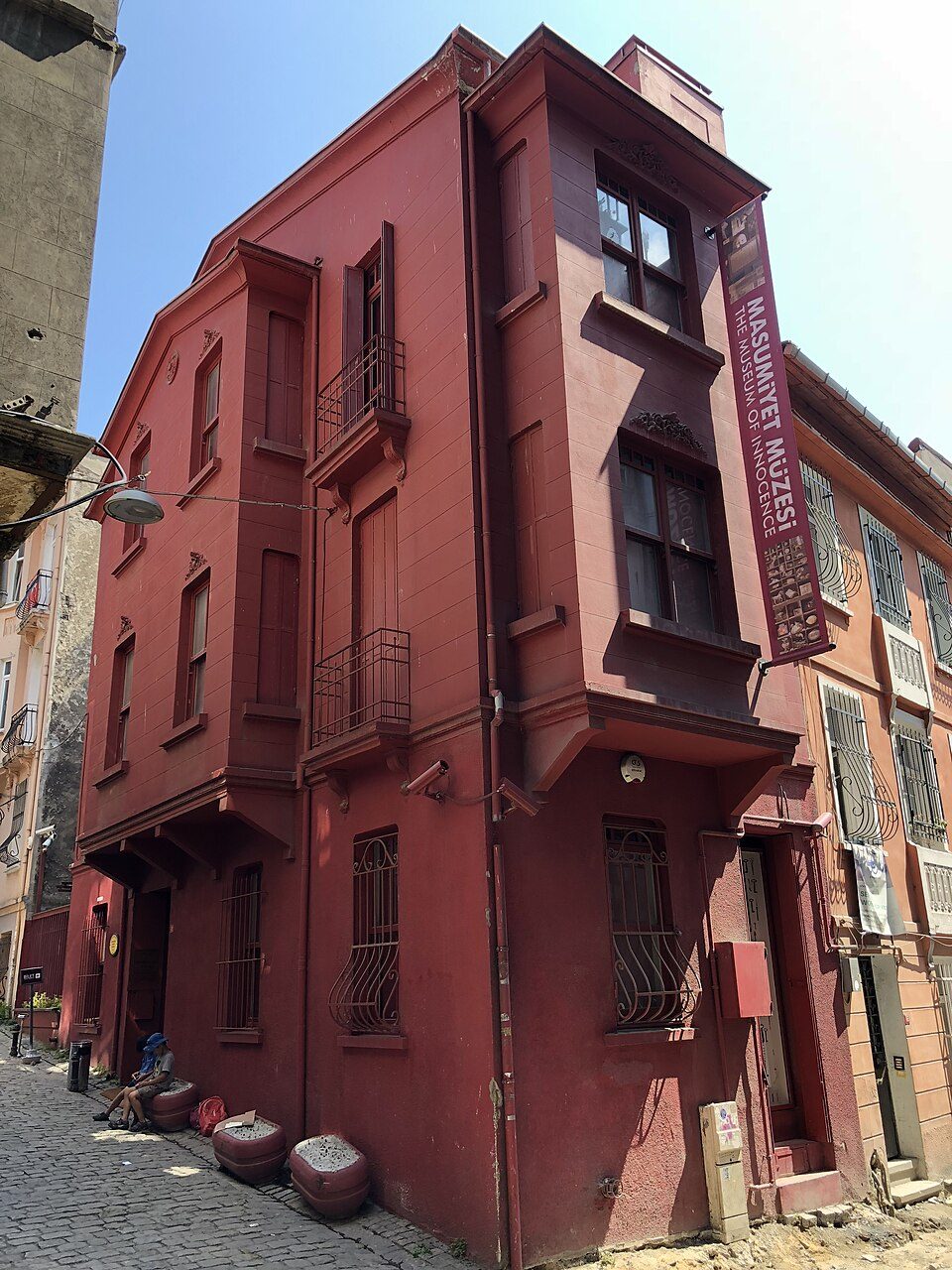
The Museum of Innocence is the area's one proper sight, and it earns the description in a way most novel-adjacent museums don't. Orhan Pamuk built a real museum on a Çukurcuma backstreet around his 2008 novel of the same name, filling 83 glass display cases — one per chapter — with the everyday objects of 1970s Istanbul that trace the book's love story: cigarette butts, film-star postcards, the domestic clutter of a city and a decade rather than a highlight reel of it. It rewards having read the book first, but works even if you haven't, as a piece of civic-scale obsession made physical. It's open Tuesday to Sunday, 10am to 6pm.
Don’t miss in Cihangir & Çukurcuma
The Museum of Innocence
Çukurcuma antique shops
French Street
Shopping
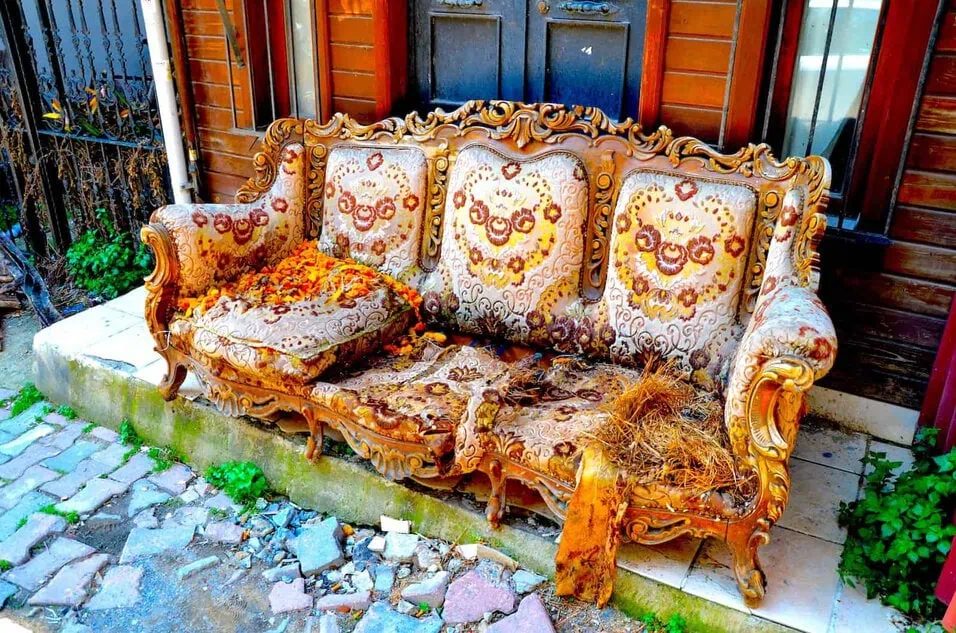
Çukurcuma is the reason a serious browser comes to this part of the city at all — well over a hundred small antique and vintage dealers packed into a few blocks below Cihangir Mosque, dealing in Ottoman and European furniture, ceramics, textiles, chandeliers and the kind of odder curiosities that resist any category a shop sign could name. You don't so much shop here as drift, in and out of doorways, past a wardrobe leaning against a stack of gilt-framed mirrors, past a crate of vinyl someone's still sorting. A la Turca, on Faik Paşa Caddesi, is one of the district's steadier fixtures, and the street itself is worth the walk even on the days you buy nothing — the pavement doubles as showroom, so the merchandise starts before you've reached a single doorway.
Where to stay in Cihangir & Çukurcuma
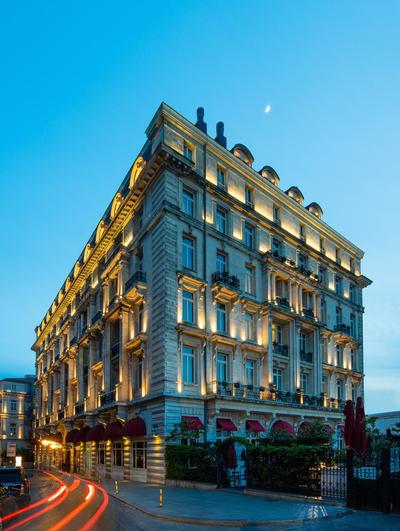
This is a boutique-and-apartment neighbourhood rather than a big-hotel one, and that suits its residential, local-feel pitch better than a lobby full of tour groups would. The streets around Faik Paşa Caddesi in Çukurcuma cluster the small design hotels and apartment stays — mostly converted 19th-century buildings, the kind with a stairwell and a street door that make you feel like you've actually moved in rather than checked in — and they sit at the pricier end of the neighbourhood's mid-range budget feel, above old-city tourist rates but shy of Nişantaşı. It's a good base for anyone who wants quiet mornings and a short, steep walk to everything else rather than a hotel with a view and nothing local around it.
Where to stay here
Hotels in Cihangir & Çukurcuma
Our best-rated stays in this neighbourhood. Prices are approximate “from” rates — confirmed at the provider when you continue. We may earn a commission if you book through our partners — at no extra cost to you.
 In this area
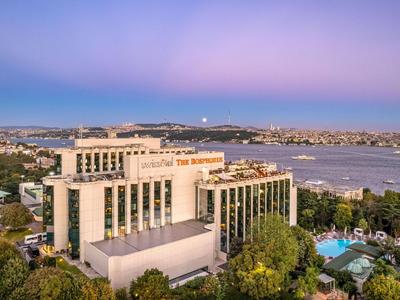
Swissotel The Bosphorus Istanbul
 In this area
 In this area
 In this area
InterContinental Istanbul by IHG
 In this area
 In this area
 In this area
 In this area
 In this area
 In this area
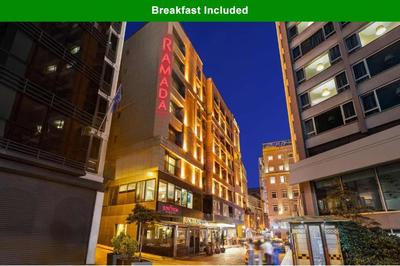
Ramada By Wyndham Istanbul Pera
 In this area
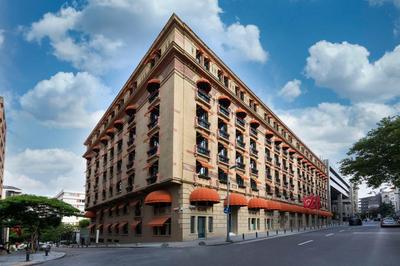
Park Hyatt Istanbul - Macka Palas
 In this area
Getting around
Cihangir sits on the hill between Taksim Square and the Kabataş ferry pier, walkable from both, though steeply so — flat shoes are not a suggestion here, they're a requirement once the cobbles start. From Taksim, it's five to ten minutes down Sıraselviler Caddesi into the neighbourhood proper. Coming from Sultanahmet or the old city, take the T1 tram to Kabataş, then the F1 funicular up, which saves your legs the climb even if it doesn't save you the one back down later. There's no metro or tram stop inside the neighbourhood itself, which is part of why it still feels residential rather than transited-through — you arrive on foot, and you leave the same way, usually slower than you meant to.
Good to know
Cihangir & Çukurcuma — your questions
Is Cihangir & Çukurcuma a good area to stay in Istanbul?
Yes, if you want a residential, café-and-antiques neighbourhood within walking distance of Taksim rather than a monument-doorstep location — it suits repeat visitors and slow travellers better than first-timers chasing Sultanahmet's sights on foot.
How do I get from Cihangir to the main Istanbul sights?
Walk up to Taksim (five to ten minutes) for the M2 metro or the F1 funicular down to Kabataş, where the T1 tram runs to Sultanahmet and the old city; the walk back up the hill is steep, so many visitors taxi it.
What is Çukurcuma known for?
It's Istanbul's antiques district — over a hundred small dealers selling Ottoman and European furniture, ceramics and vintage goods — and the real-world setting of Orhan Pamuk's Museum of Innocence.
Is Cihangir walkable, and how steep is it really?
It's compact and walkable but genuinely hilly — narrow, cobbled, sometimes stepped streets running down from the mosque toward Çukurcuma and Tophane — so flat shoes matter more than they do in flatter parts of the city.
Gallery