Istanbul neighbourhood guide
Arnavutköy, Istanbul: Bosphorus Mansions, Fish and the Great Current
A slow walk through Istanbul’s pastel Bosphorus village, where yalı mansions lean over the water, fish lunches stretch into evening and the old Ottoman strawberry still turns up in spring crates.
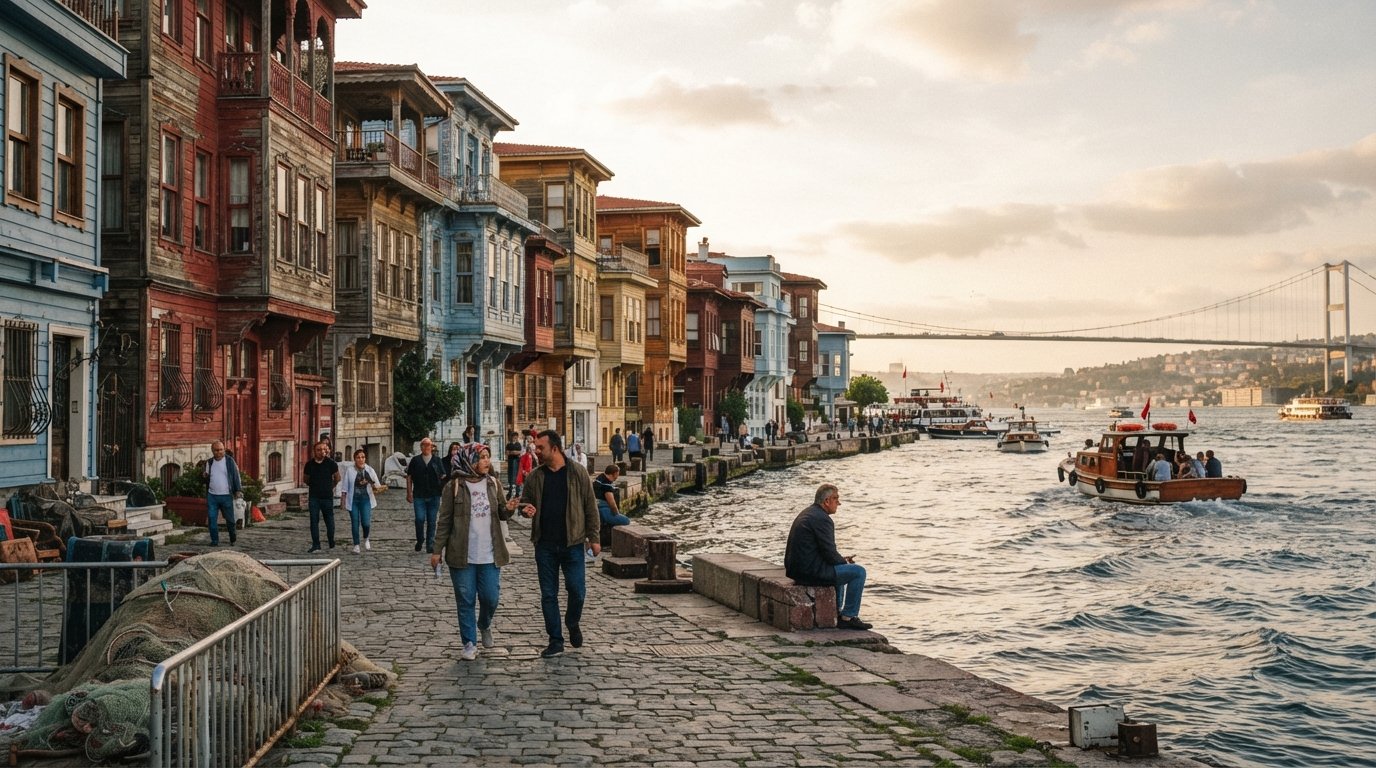
The first thing Arnavutköy gives you is the water: black, quick and close enough to feel in your lap if you sit on the wrong side of the terrace. On the promenade, just west of the second bridge and roughly halfway between Beşiktaş and Bebek, the Bosphorus runs past a tight row of late-19th-century wooden mansions, their fretwork balconies and Art Nouveau flourishes painted in the soft colours that make cruise passengers crane their necks and then, more often than not, keep cruising. That is their loss. Arnavutköy is a village that still behaves like one — fishing lines flicking from the rail, raki glasses clinking under plane trees, strawberry crates appearing in spring, and a shoreline so theatrically pretty that you half expect it to apologise for being practical too.
What Arnavutköy is known for
Arnavutköy’s reputation is built on three things that are all stubbornly local: the wooden houses, the fish and the strawberry. The waterfront holds one of the best-preserved rows of yalı mansions on the Bosphorus, late-Ottoman timber seaside houses with delicate fretwork, bay windows and enough ornament to suggest a rich household with time on its hands. Many are now among the most expensive addresses in Istanbul, which is the sort of detail the city likes to keep in the family. Their ground floors, however, are often given over to seafood, and that has shaped the village into a place where a Bosphorus fish dinner feels less like a theme and more like the original purpose of the street.
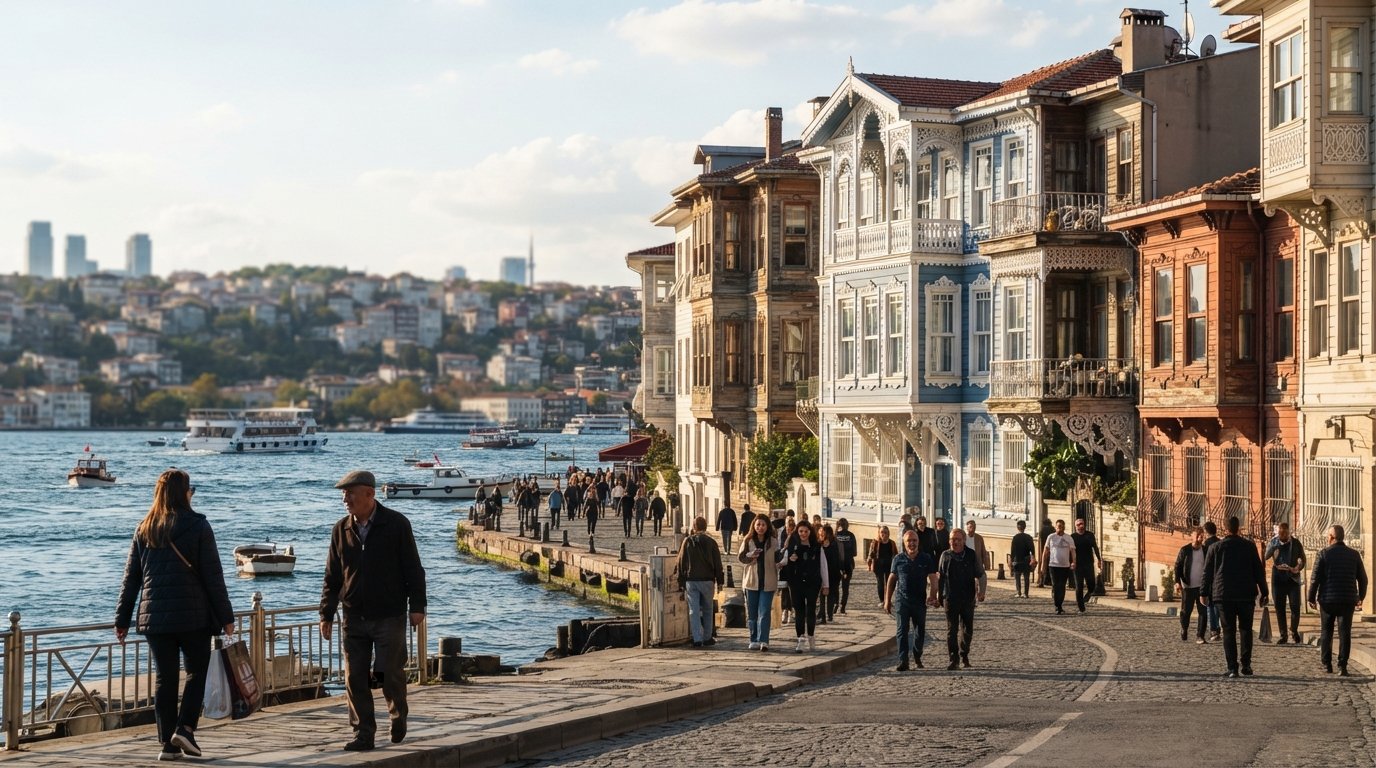
The promenade is still used as if the sea were a neighbour rather than a view. Fishermen cast lines along the rail any afternoon, and the Bosphorus current — the old Greek name Mega Revma, the Great Current — pushes tankers and ferries past metres from the tables. It is a village built on motion, but the mood is calm, almost old-fashioned. Step one street back and the noise drops. Francalacı Caddesi and the lanes off it turn cobbled and shaded, with cafés, meyhanes and greengrocers whose spring strawberry crates get mobbed by locals. You can feel the mix of old Istanbul families, students spilling down from Boğaziçi University above, and weekenders who have come across town for a long lunch and no intention of rushing it.
The strawberry is Arnavutköy’s odd little signature: the Osmanlı çileği, or Ottoman strawberry. It is small, pale-pink and intensely fragrant rather than juicy, the sort of fruit that seems to have been bred by someone who cared more about perfume than convenience. A century ago, some 40 hectares here were strawberry fields, important enough to have their own harvest festival and to feed one of Turkey’s first fruit-canning factories. A few patches survive inland, and every spring the greengrocers are swamped. It is the kind of local speciality that does not need a museum label; it just shows up in a crate, fragrant and slightly ridiculous, and disappears into people’s hands.
Layered over all of this is a multicultural past that never quite left. Arnavutköy was Greek before it was anything else, and the name Mega Revma — the Great Current — still feels like a better fit than the modern one. Later came Armenian and Jewish residents, and today a Greek Orthodox church, a mosque and a synagogue stand within a few minutes of each other. Above the shore sits Robert College, founded in 1863 as the oldest American school outside the United States and now folded into Boğaziçi University, which is one reason the backstreets have that slightly studious, café-hopping edge. Arnavutköy is genteel rather than showy, quieter than neighbouring Bebek, and very clear about its purpose: come here to eat seafood, walk the shore and watch the strait.
Where to eat & drink
This is one of Istanbul’s great seafood strips, and the waterfront is where the money goes. Sur Balık Arnavutköy sits in a restored multi-storey Ottoman mansion right on the Bosphorus, open noon to midnight, with refined fish, cold mezze and set-piece dishes like sea bass in mustard sauce. It is the grand option, the one for when the tablecloth is white, the service knows what it is doing and the current outside seems to be part of the menu. The view is not subtle, but then neither is the bill.
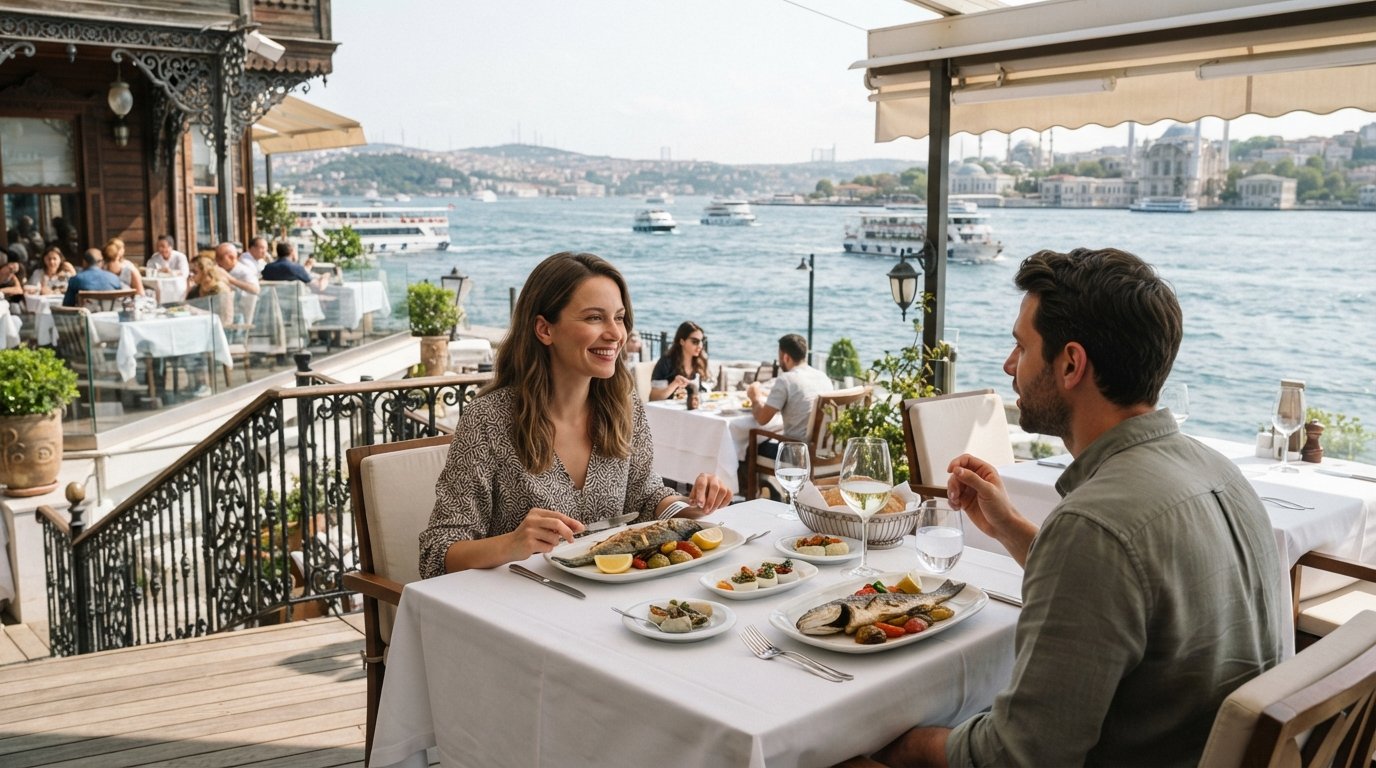
A few doors along, Arnavutköy Balıkçısı, also known as İskele Balık, is the classic waterfront fish house locals rate for marinated sea bass, grilled octopus and calamari. It is the sort of place where raki appears because of the fish, not the other way around. The setting is still Bosphorus-front and the mood is more familiar than ceremonial. If Sur Balık is the polished version of a village ritual, Arnavutköy Balıkçısı is the version people return to because it tastes like memory and salt.
Yalı Arnavutköy offers a smaller, more intimate alternative. It has the same sea view as the big terraces but a warmer interior and a full fresh-fish menu, which makes it useful when you want the waterfront without the theatre. There is something pleasing about a place that understands that not every Bosphorus meal needs to arrive with a drumroll.
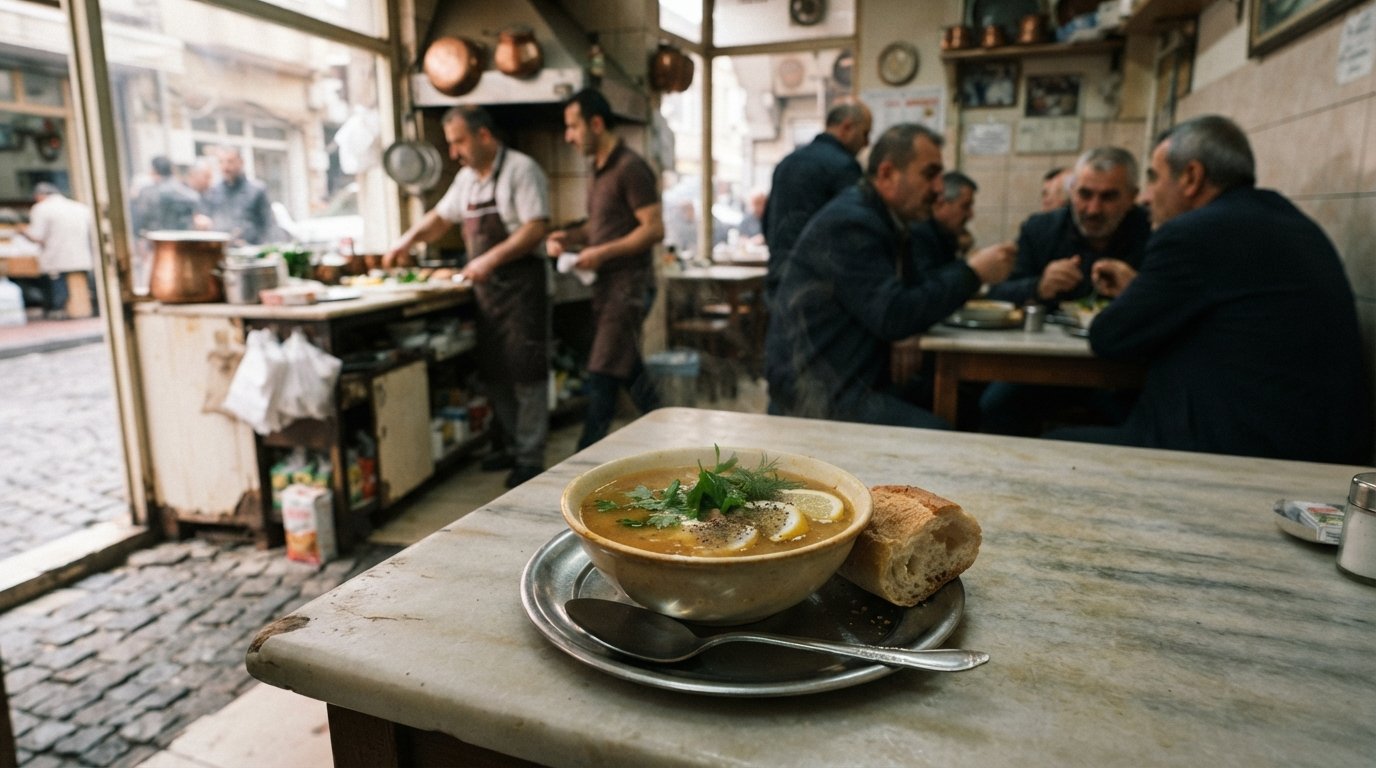
Then there is Adem Baba, the Black Sea fishermen’s institution that started on a boat in Bebek cove and moved to Arnavutköy in 1998. There is no alcohol and very little décor, which is usually the first sign that a place cares more about the pot than the upholstery. You come for the balık çorbası fish soup, fried fish, meze and fast, fresh cooking served through the afternoon and evening. It is the antidote to the waterfront’s more expensive self-regard, and probably the most democratic fish table in the village.
Away from the water, the cobbles do the rest of the eating. Şişko Perihan, on Francalacı Caddesi, is a modern meyhane in the old square with Anatolian-style mezze, İspir dried beans, lamb kokoreç and its cult Oralet cocktail. It is closed on Mondays, which feels right for a place that prefers evenings to schedules. The music leans nostalgic Turkish, the room stays lively until around one in the morning, and the whole thing has the agreeable air of a place that knows exactly who it is.
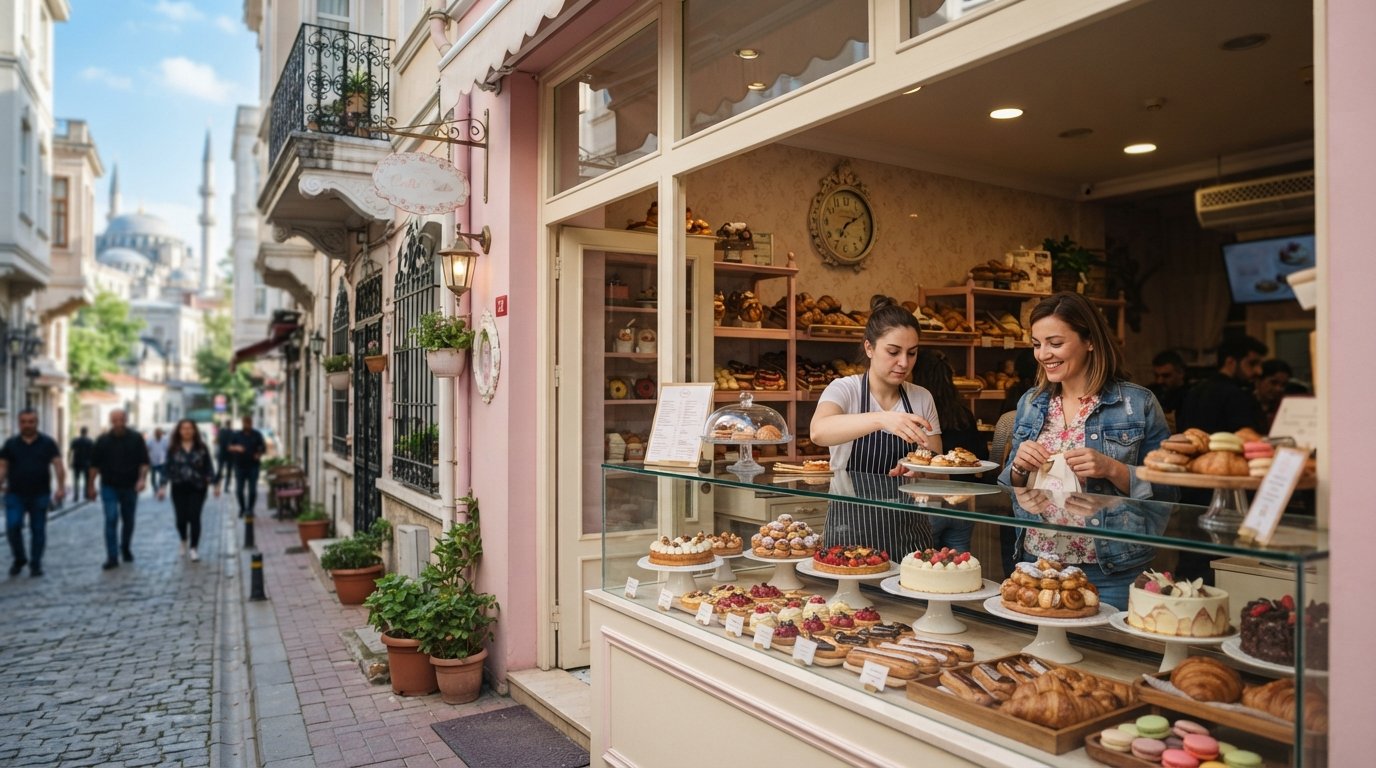
For coffee and something sweet, Cutie Cake on Teyyareci Suphi Sokak does French-style pastries, including a signature Saint-Honoré, in a pastel boutique setting that is much less coy than it sounds. Kavanoz İstanbul on Tekkeci Sokak is the shady-garden answer: specialty coffee, homemade lemonades and tea served in jars, which is a detail so literal it almost becomes a design philosophy.
Going out
Arnavutköy’s night life is not interested in spectacle. It is a place for long dinners, wine bars and meyhane tables rather than clubs, which is a relief if your idea of a good evening includes conversation and not a DJ trying to win a war with the Bosphorus. The natural move is to linger over fish and raki on the waterfront, then drift inland for a final drink.
Weber’s Kitchen & Bar, on Francalacı Caddesi, is the neighbourhood’s easy-going wine-and-beer bar, with a courtyard, tap beer and small plates. On many nights there is live-ish background music, never aggressive, which is a blessing in a village where the real soundtrack is the water and the occasional gull with opinions. It draws a mixed local crowd and feels like the kind of place that exists because people in the neighbourhood wanted somewhere to sit after dinner without having to leave the neighbourhood.
Şişko Perihan also works as the late option on the meyhane side. The mezze and rakı keep going, the nostalgic Turkish music keeps the room warm, and the place stays lively until around one in the morning. That is late enough for Arnavutköy. Anything more ambitious belongs in Bebek, fifteen minutes north on foot, or in Ortaköy if you are determined to turn the evening into something louder.
What makes Arnavutköy pleasant after dark is not a scene so much as a setting. The yalıs light up, the water turns black and fast, fishing lines remain out, and the promenade stays alive in warm weather. It is a neighbourhood that knows how to dim its own volume without going dull.
Things to do / what to see
The headline activity is simply the shore. Start at the Arnavutköy waterfront, where the row of painted yalı mansions makes the best-preserved stretch of Ottoman timber houses on the Bosphorus. It is a photographer’s street, and the light is best late in the afternoon, when the facades pick up a softness that flatters every balcony and makes the water look even colder than it is.
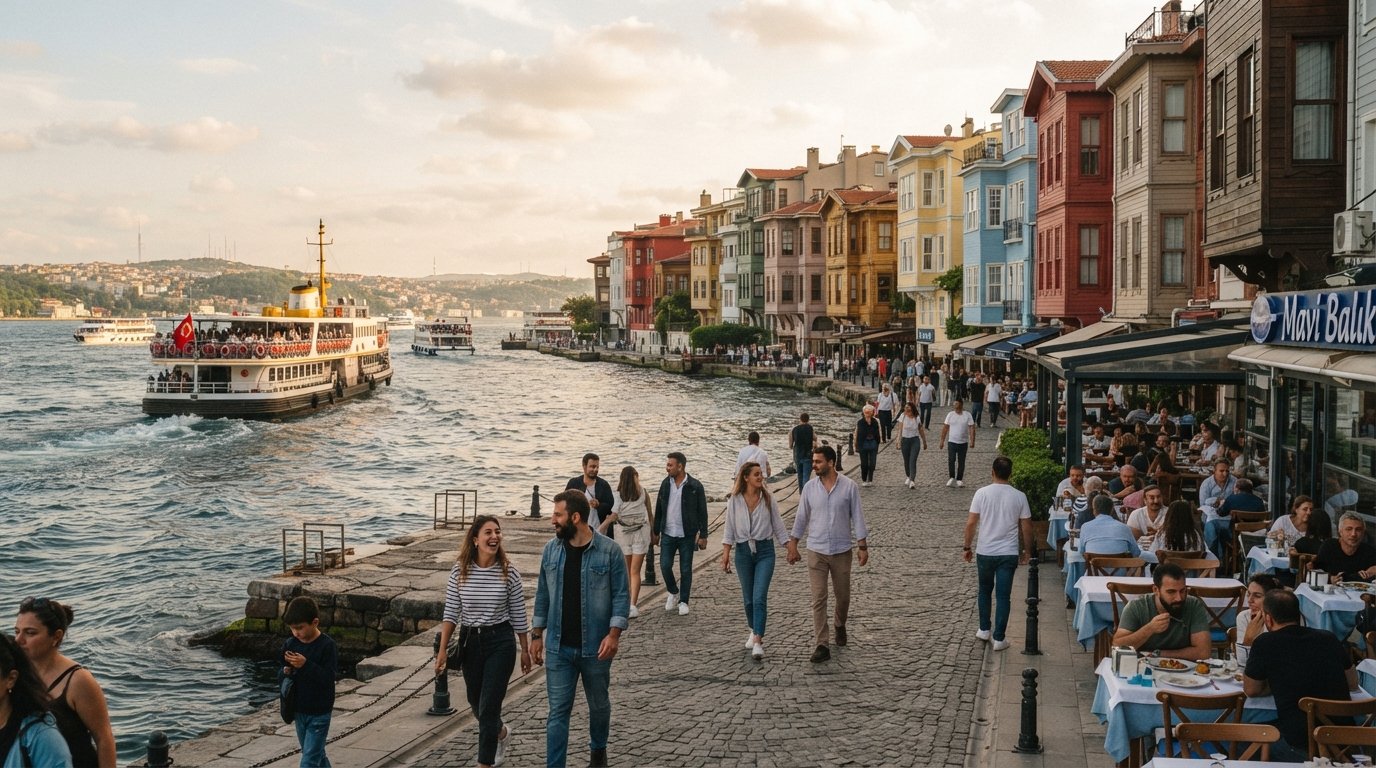
Walk north along the coastal road and, in roughly fifteen minutes, you reach Bebek. The route is about three kilometres and it is one of the finest waterfront walks on the European side, with fishermen mending nets, bobbing boats and mansion-lined shore all the way. The city gets very good at making you forget distance when the pavement is this close to the sea.
Dip one street inland for the village’s layered heritage. The Greek Orthodox Church of Taksiarhis, completed in 1899 in cut stone and dedicated to the archangels, is impossible to miss and still holds a Divine Liturgy on Sundays. The Tevfikiye (Arnavutköy) Mosque, built under Sultan Mahmud II in 1832 and since restored, has an elevated terrace and a clean Bosphorus view. Together with a surviving synagogue, they trace the village’s Greek-Armenian-Jewish past without needing a plaque to explain the obvious.
Above the neighbourhood sits Robert College / Boğaziçi University, the 1863 American foundation whose leafy campus and student energy spill down into the streets. That uphill presence matters more than it first seems. It keeps the backstreets young enough to have cafés, but not so young that they lose the village feel. If you want water time, this is also a good place to pick up a Bosphorus boat trip, though the shore itself is already doing a great deal of the work.
Spring is the season to catch the strawberry in its proper mood. The local greengrocers sell the tiny Ottoman berry the village is named for, and the whole district seems to inhale and exhale in pink crates for a few brief weeks. It is a small thing, but Arnavutköy is made of small things: a church bell, a mosque terrace, a fish soup, a line of timber balconies, a strawberry that smells better than it tastes and, on a good afternoon, a ferry moving through the Great Current.
Don’t miss in Arnavutköy
Waterfront wooden mansions
Arnavutköy coastal walk
Local seafood dining
Shopping & markets
Arnavutköy is not a shopping district in the mall sense, which is one reason it still feels like a village and not a branded corridor pretending to be one. The backstreets around Francalacı Caddesi and the old square hold specialist grocers that supply Istanbul’s kitchens: greengrocers piled with the local Ottoman strawberries in spring, a well-known cheesemonger and delicatessens where the meyhanes buy their mezze. Shopping here is more about browsing and tasting than acquiring. A wheel of cheese, a box of berries, a bag of pastries from Cutie Cake, a jar of something from a café-delicatessen — that is the scale.
There are also small independent galleries and boutiques scattered through the lanes, plus antique-leaning shops and homeware stores on the walk between the water and the square. None of it is here to overwhelm you. Arnavutköy prefers the sort of retail that can be carried home in one hand and eaten before it has time to become a souvenir.
Where to stay in Arnavutköy
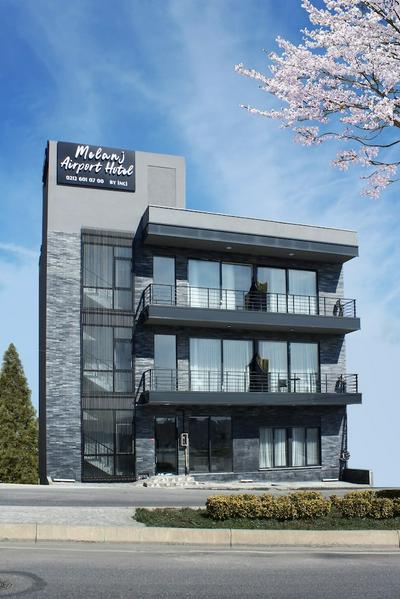
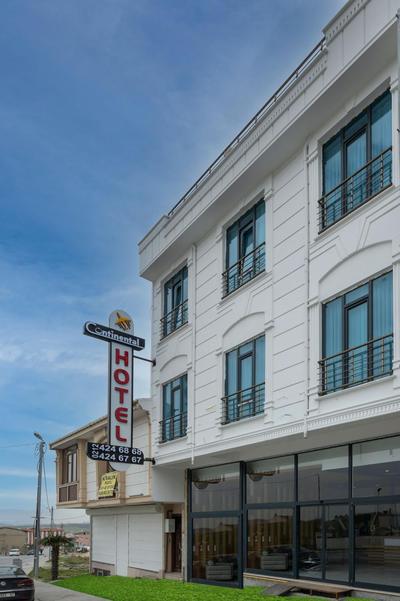
Arnavutköy is a place most people visit for a meal rather than sleep in. The village is small, residential and short on hotels, with the waterfront given over to prized yalı mansions and fish restaurants rather than resorts. There are a handful of small guesthouses and short-let apartments tucked in the backstreets, and they can be charming and quiet, but the choice is thin and there is no big-name hotel here.
The usual play is to eat and walk in Arnavutköy and base yourself just next door. Bebek, fifteen minutes north along the shore, has smart boutique hotels and a livelier café-and-bar scene. Beşiktaş and Ortaköy, a short bus or taxi ride south, offer more mid-range and waterfront options and better transport links to the rest of the city. Stay in or right beside the village if your priority is Bosphorus atmosphere, seafood and slow mornings by the water; move toward Beşiktaş if you want ferries, nightlife and easier access to the historic sights.
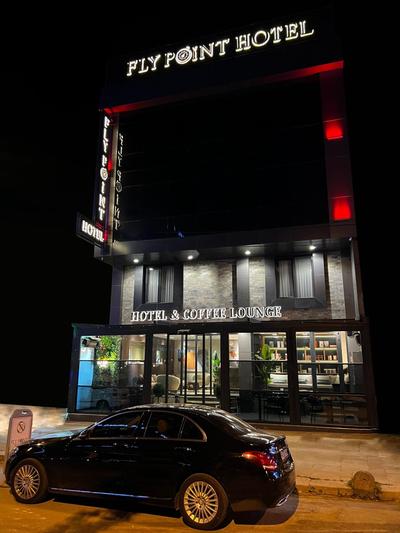
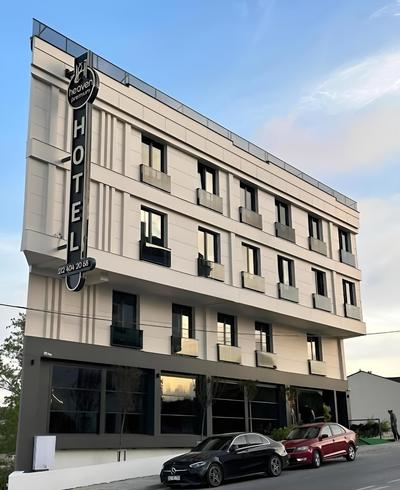
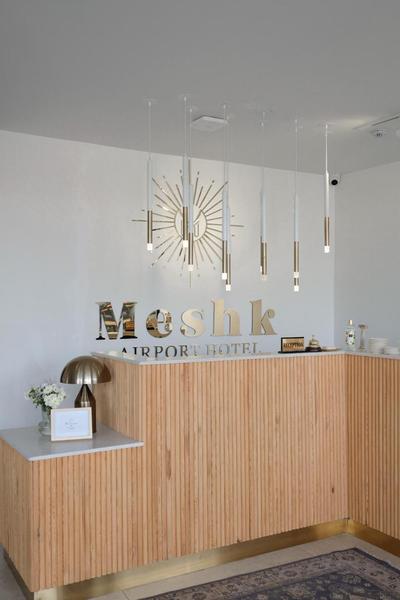
Where to stay here
Hotels in Arnavutköy
Our best-rated stays in this neighbourhood. Prices are approximate “from” rates — confirmed at the provider when you continue. We may earn a commission if you book through our partners — at no extra cost to you.
 In this area
 In this area
 In this area
 In this area
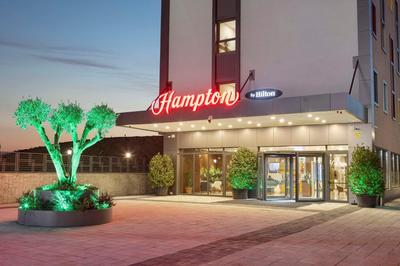
Hampton By Hilton Istanbul Airport, Arnavutkoy
 In this area
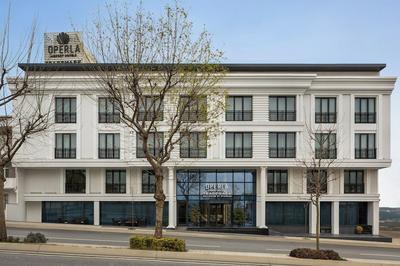
Trademark Collection By Wyndham Operla İstanbul Airport Hotels & Spa
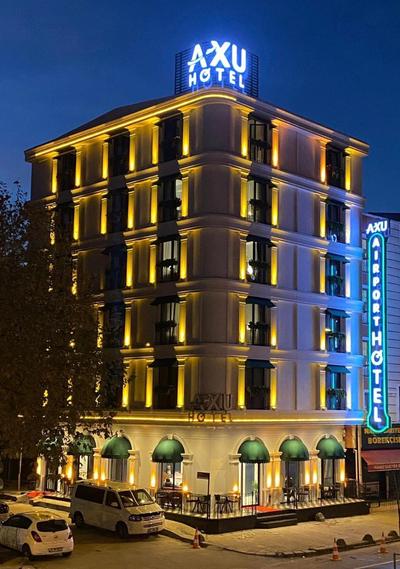 In this area
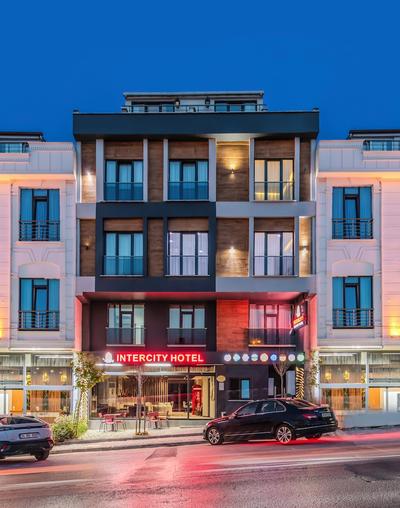 In this area
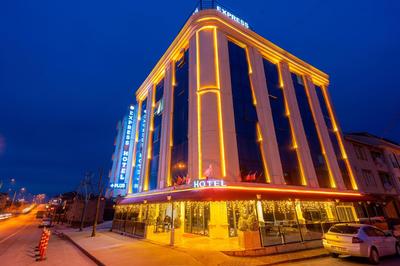 In this area
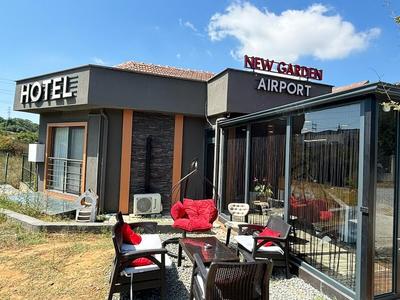 In this area
 In this area
 In this area
 In this area
Getting around
Arnavutköy is compact and made for walking. The waterfront, the square and the backstreets are all a few minutes apart on foot, and the standout journey — the shore walk north to Bebek — is about three kilometres and fifteen minutes with the Bosphorus beside you the whole way. What the village does not have is a rail line: there is no metro or tram, so you arrive by bus, ferry or taxi.
Buses including the 22 and 25E run the Bosphorus coast road and link Arnavutköy to Beşiktaş, roughly 15 minutes away in normal traffic, though Istanbul is never obliged to respect normal traffic. Beşiktaş is the main hub, with frequent ferries across to Kadıköy and Üsküdar on the Asian side and connections to the wider transport network. The village has its own ferry pier, Arnavutköy İskelesi, though sailings are infrequent, so most visitors use it more for the view than the timetable.
Taxis, Uber and BiTaksi are the easy door-to-door option and cheap for short hops. Reckon on about 25–40 minutes by road to Taksim and the Beyoğlu nightlife, and around an hour to Istanbul Airport or the historic Sultanahmet peninsula, depending on the usual city traffic. And one practical note worth repeating: the Bosphorus current here is famously strong. Mega Revma was not a poetic nickname for nothing. This is a place to watch the water, not to challenge it.
Good to know
Arnavutköy — your questions
Is Arnavutköy worth visiting in Istanbul?
Yes. It is one of the prettiest Bosphorus villages, known for its painted late-Ottoman yalı mansions, waterfront fish restaurants and the old church-mosque-synagogue mix that hints at its Greek, Armenian and Jewish past. It also pairs perfectly with Bebek, a 15-minute walk north along the shore.
Where should I eat in Arnavutköy?
For the grand waterfront meal, book Sur Balık or try Arnavutköy Balıkçısı for marinated sea bass and grilled octopus. Adem Baba is the no-frills local favourite for fish soup and fried fish, while Şişko Perihan handles meyhane evenings and Cutie Cake and Kavanoz İstanbul cover pastries and coffee.
How do you get to Arnavutköy and is there a metro?
There is no metro or tram. You get there by bus, ferry or taxi. Buses 22 and 25E run the Bosphorus coast road to Beşiktaş, the nearest major ferry hub, and the village has its own pier, though sailings are infrequent.
What is Arnavutköy best for?
It is best for long seafood lunches, Bosphorus views, wooden-mansion photo walks and a slower, more local side of the waterfront. Spring is also the time to catch the Ottoman strawberry in the greengrocers.
Gallery